Women's Rugby League Players Push for Full-Time Pay
After a record $5.3 billion NRL broadcast deal, female rugby league players in Australia are calling for fair wages that let them focus on the sport full-time. The movement comes as current salary agreements approach expiration in 2027.
Women's rugby league players are finally speaking up about what they need: salaries that don't force them to juggle multiple jobs while competing at a professional level.
The timing couldn't be better. The National Rugby League just secured a massive $5.3 billion broadcast deal, and the current salary cap agreement for women expires at the end of 2027.
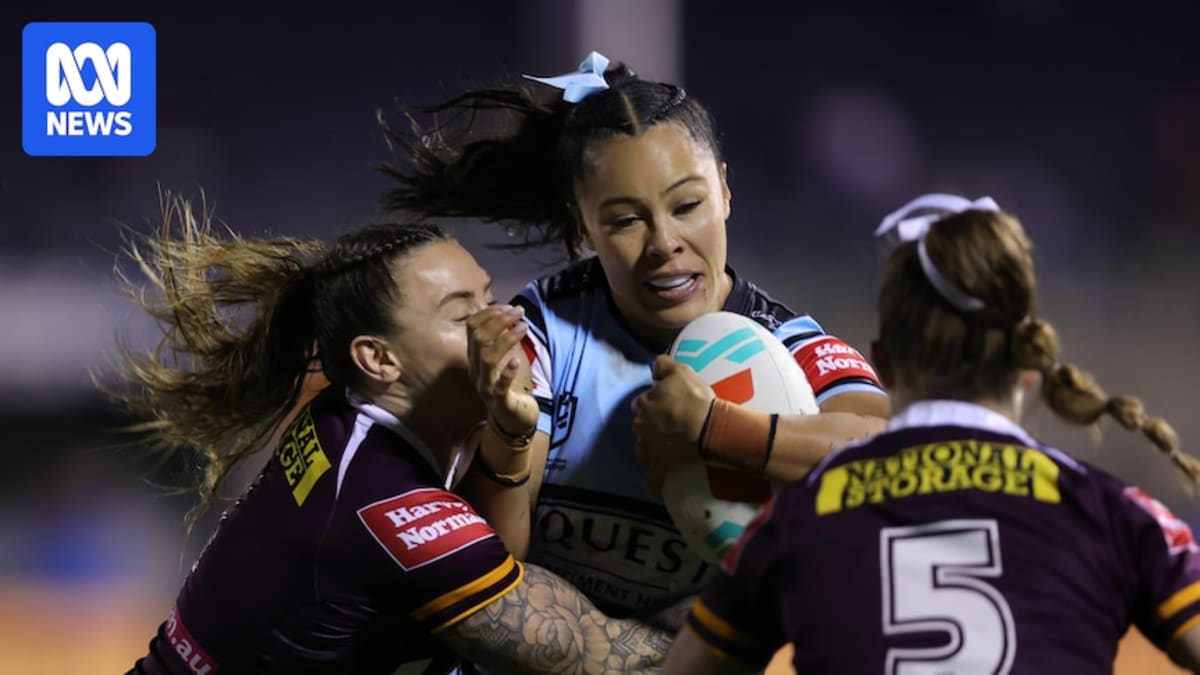
Cronulla captain Tiana Penitani-Gray isn't mincing words about what needs to happen next. "Being able to expand the salary cap, being able to make the women players full time is definitely a step in the right direction," she said during Women in League round celebrations.
Right now, female players earn between $30,000 and $50,600 per season, bringing each team's total salary to just over $1.5 million by 2027. Male players on each club collectively earn $12.1 million that same year.
The pay gap tells only part of the story. Many female athletes balance university studies, side jobs, and professional rugby expectations simultaneously while trying to deliver world-class performances.
Canterbury-Bankstown captain Tayla Preston wants more than just better paychecks. She's advocating for a longer season that would reduce injuries and improve game quality. "We have such a long off-season, girls are going to come and pick up injuries quite quickly," she explained.
The league has grown remarkably since 2018, expanding from three rounds and four teams to 12 clubs playing nine regular fixtures plus finals. That kind of rapid growth shows the demand is real.
The Ripple Effect
These conversations matter beyond individual players' bank accounts. When women can commit full-time to their sport, the entire competition elevates. Better training means better games, which attracts more fans and inspires the next generation of female athletes.
The players are thinking strategically too. Both Penitani-Gray and Preston cautioned against adding new teams too quickly without investing in youth development programs. They want sustainable growth that creates a strong foundation, not a hollow league stretched too thin.
Outgoing NRL CEO Andrew Abdo expressed support for expansion before stepping down. The real test comes when negotiations begin for the post-2027 agreement and leaders decide how to allocate those broadcast billions.
These athletes are building something bigger than themselves, fighting for the future where talented young girls won't have to choose between financial security and playing the sport they love.
More Images

Based on reporting by ABC Australia
This story was written by BrightWire based on verified news reports.
Spread the positivity!
Share this good news with someone who needs it