Wood Battery Stores Heat Without Electricity in Buildings
Scientists created a wood-based material that absorbs heat during the day and releases it at night, potentially eliminating the need for air conditioning in some buildings. The innovation survived 1,000 heat cycles without leaking or breaking down.
Your walls might soon keep you cool in summer and warm in winter without touching your thermostat. Researchers at the University of Texas at Dallas have developed a wood-based material that acts like a thermal battery, storing heat when buildings get warm and releasing it when they cool down.
The breakthrough solves a problem that has stumped engineers for years. Phase-change materials, substances that absorb heat as they melt and release it as they solidify, have long shown promise for building temperature control. But they leak when they turn liquid, making them impractical for use in walls, floors, or roofs.
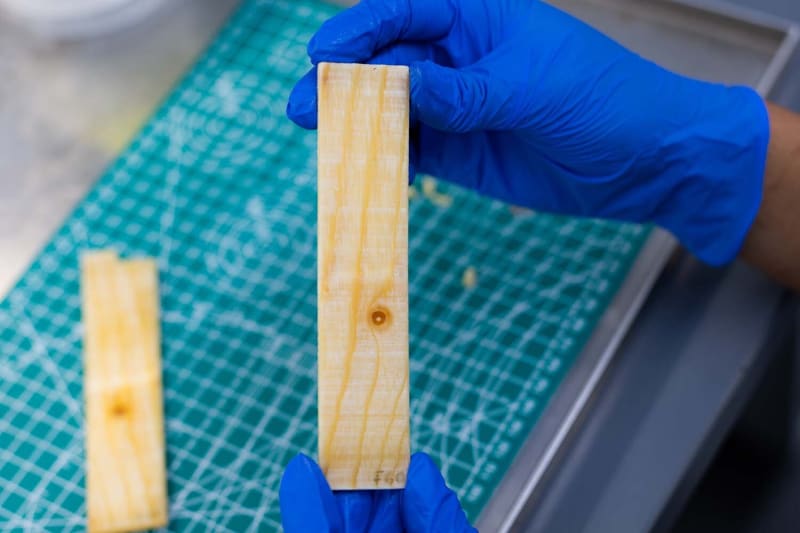
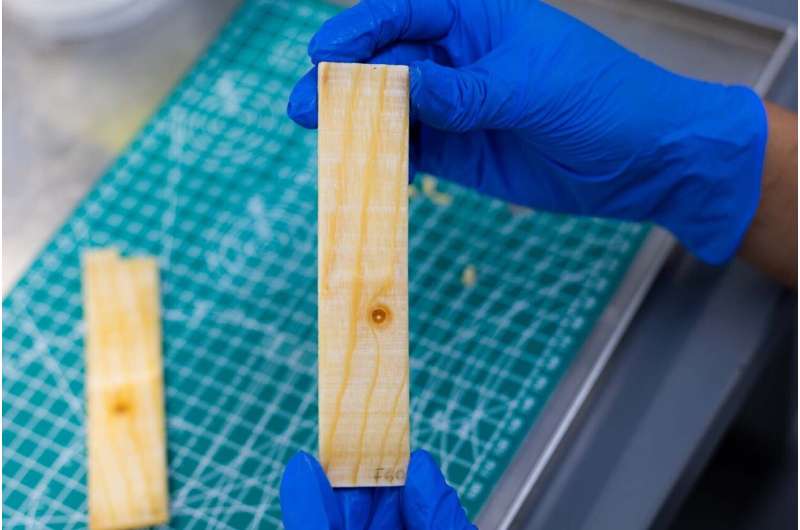
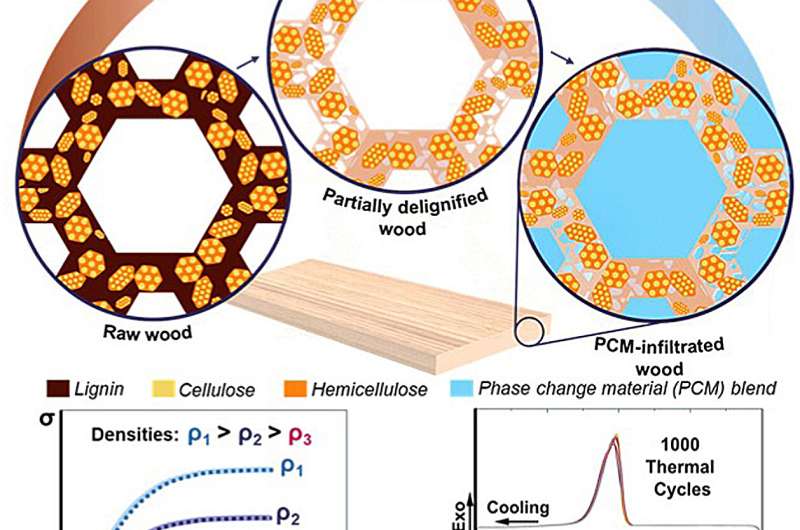
The team found an elegant solution by working with wood's natural structure. They removed lignin, the substance that makes wood stiff, creating a sponge-like material filled with tiny pores. Then they filled those pores with a phase-change material mixed with a soft plastic that holds everything in place.
The result is a composite that stores thermal energy without the mess. During hot summer days, the material absorbs heat from outside before it enters your home. If enough of this material lines your walls, your air conditioner might not need to run at all.
Dr. Shuang Cui, who led the research, describes it as a thermal battery that charges itself. "The phase-change material will absorb and store heat from the exterior, which would reduce the rise of room temperature," she explained. In winter, the process reverses, capturing daytime warmth to release during cold nights.
The Ripple Effect: This technology addresses one of the biggest energy challenges facing communities worldwide. Buildings account for a massive portion of electricity use, with heating and cooling systems running constantly to maintain comfort. By reducing that demand, these wood composites could lower energy bills for families while taking pressure off power grids during peak usage times.
The material proved remarkably durable in testing, surviving 1,000 heating and cooling cycles without leaking or losing strength. That durability matters for real-world applications where building materials need to last for decades. Unlike other energy-storage solutions that weaken over time, this composite maintains its structural integrity.
The research team, which included scientists from the National Laboratory of the Rockies and Lawrence Berkeley National Laboratory, has already patented their invention. Now they're working to refine the technology and bring it to market.
Doctoral student Gustavo Felicio Perruci, who worked on the project, sees the bigger picture. "Working with our national lab partners gave me invaluable experience and opened important doors, demonstrating how interdisciplinary teams can turn sustainable materials into real-world solutions," he said.
Buildings that regulate their own temperature naturally could transform how we think about comfort and energy. The innovation turns one of nature's most abundant materials into a solution for modern energy challenges.
More Images
Based on reporting by Phys.org - Technology
This story was written by BrightWire based on verified news reports.
Spread the positivity!
Share this good news with someone who needs it