Wood Storks Soar Off Endangered List After 40-Year Comeback
America's only native stork has officially recovered from near extinction, with populations soaring from devastating lows to over 10,000 breeding pairs across six southeastern states. The wood stork's delisting marks a major win for wetland conservation and coastal communities.
After four decades of conservation work, the wood stork is officially off the federal endangered species list, proving that dedicated protection efforts can bring wildlife back from the brink.
The U.S. Fish and Wildlife Service announced the delisting on February 9, celebrating a remarkable turnaround for a bird that once teetered on the edge of extinction. When the wood stork gained federal protection in 1984, its numbers had crashed by more than 75% compared to the 1930s.
Today, between 10,000 and 14,000 breeding pairs nest across roughly 100 colonies spanning North Carolina, South Carolina, Georgia, Florida, Alabama, and Mississippi. The recovery represents one of the Endangered Species Act's clearest success stories.
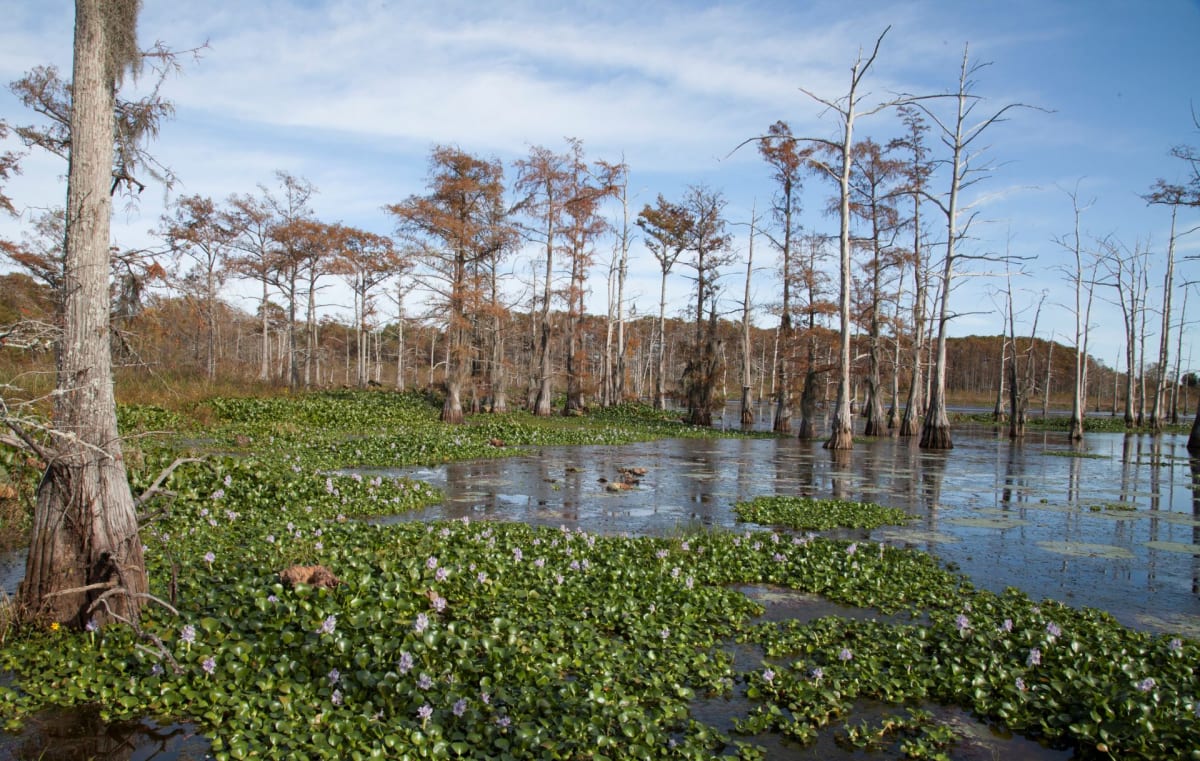
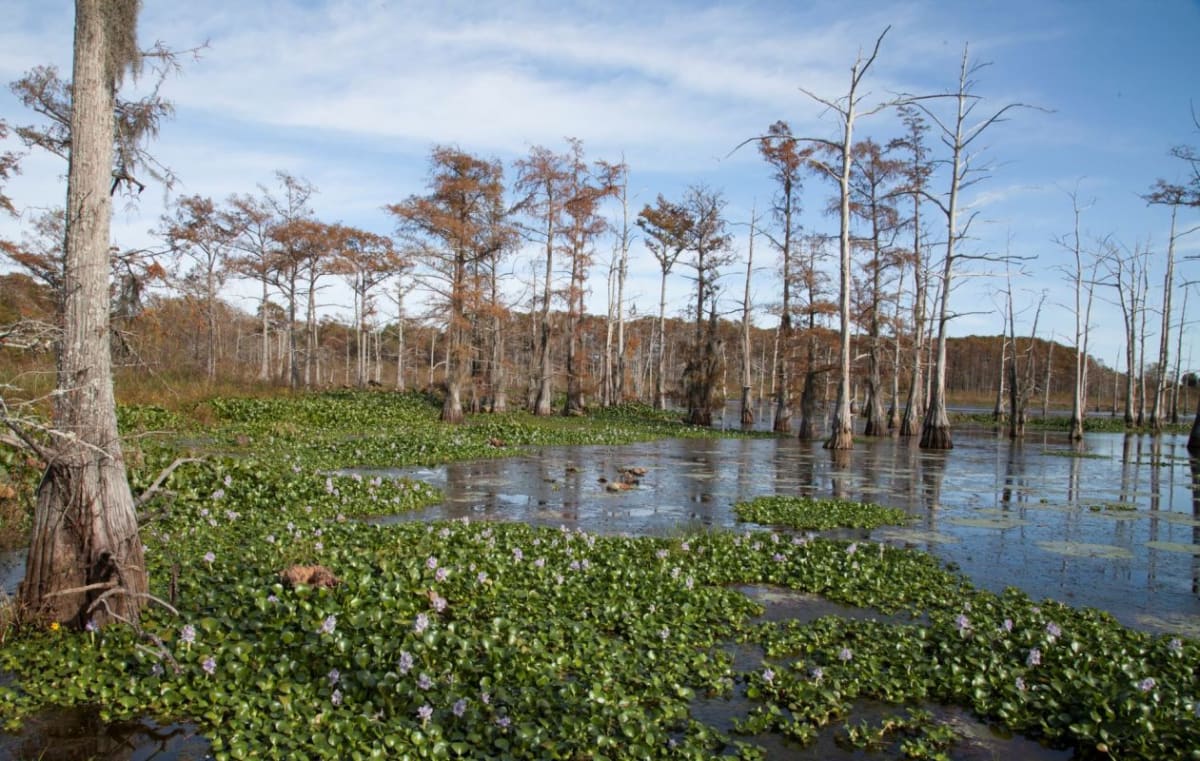
The birds have adapted beyond expectations, moving into diverse habitats including coastal salt marshes, flooded rice paddies, forested wetlands, and even human-made wetland areas. This flexibility has helped secure their future across the Southeast.
The Ripple Effect
The wood stork's comeback signals something bigger than just one species bouncing back. Healthy stork populations indicate thriving wetlands, which serve as natural infrastructure for coastal communities.
Strong wetlands mean better flood protection during storms and cleaner water for everyone downstream. When these ecosystems flourish, both wildlife and people benefit.
If you live near coastal habitats, you can help maintain this momentum by supporting local wetland protection efforts. Simple actions like keeping waterways clean and backing land preservation programs make a real difference.
Federal officials will monitor wood stork populations for the next 10 years to ensure the recovery holds steady. U.S. Fish and Wildlife Service Director Brian Nesvik praised the collaborative effort behind the success, noting the hard work of conservation partners who made the turnaround possible.
The wood stork joins a growing list of recovered species, proving that with commitment and the right protections, we can reverse even severe population declines.
More Images



Based on reporting by Google News - Conservation Success
This story was written by BrightWire based on verified news reports.
Spread the positivity!
Share this good news with someone who needs it