Wooden Wind Turbines Cut Carbon While Powering Thousands
Wind turbines made from spruce wood instead of steel are towering over Europe, slashing carbon emissions while solving remote installation challenges. Utilities in Germany and Scotland have already ordered the first units, with analysts predicting timber could replace steel in 30% of onshore towers by 2035. #
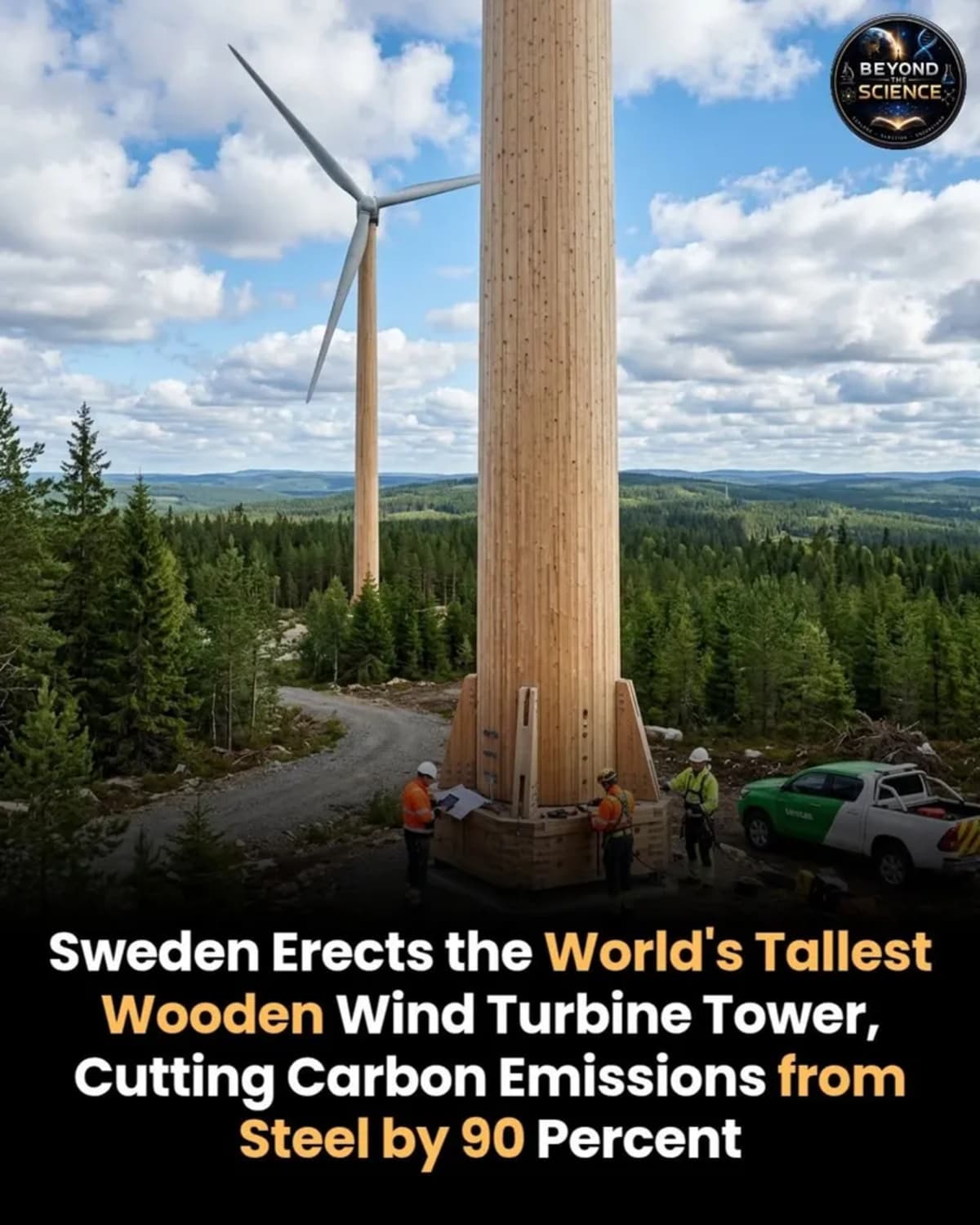
The world's tallest wooden wind turbine now stands in Scandinavia, proving that sustainable lumber can do the heavy lifting once reserved for steel and concrete.
Built from laminated Scandinavian spruce, these wooden towers store carbon instead of emitting it during production. The spruce used grows back faster than it's harvested, creating a renewable cycle that traditional steel manufacturing can't match.
Utilities in Germany and Scotland have placed orders for pilot units after studies showed the technology works at scale. The towers solve a practical problem too: wooden sections are easier to transport to remote, windy sites where roads can't accommodate massive steel components.
The innovation goes beyond just towers. Engineers have developed wind turbine blades from laminated veneer lumber, a material created by binding thin wood layers together that's stronger than traditional plywood and resists warping.
A European consortium is building a facility to manufacture these wooden blades, with production expected to begin in 2031. The project secured $52 million from the EU Innovation Fund and will produce up to 160 blade sets annually.
According to a 2025 Swedish Environmental Research Institute lifecycle study, analysts believe timber could capture 30% of the onshore tower market within a decade. The material cuts the carbon footprint dramatically compared to steel while maintaining the structural strength needed to support massive turbine heads.
The spruce lumber gets its strength from laminating multiple layers together, similar to how plywood works but engineered for much heavier loads. This process creates beams that can handle the constant stress of rotating turbine blades and changing wind conditions.
The Ripple Effect
The wooden turbine breakthrough arrives as clean energy investments accelerate globally. Canada just announced North America's largest clean energy package at $50 billion, combining hydropower and onshore wind to serve local needs while exporting to Massachusetts and New York.
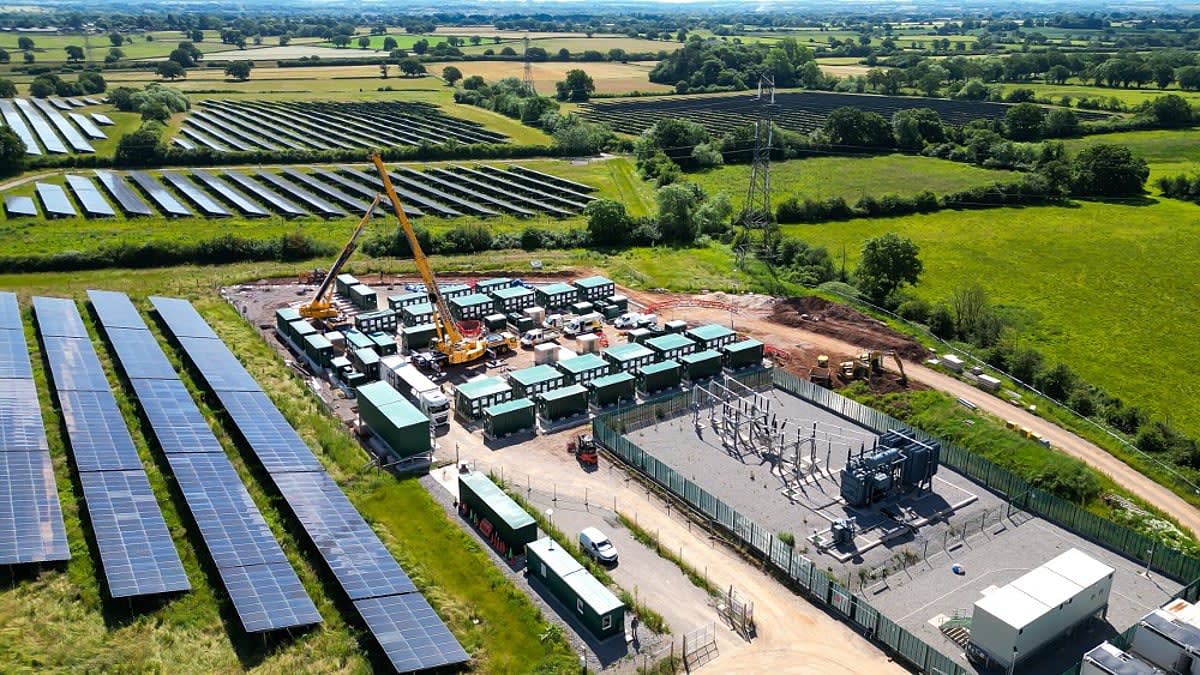
Solar installations in the UK have jumped 407% since 2019, reaching 269,176 installations in 2025. The momentum continued into 2026 with nearly 192,000 new solar installations in just eight months.
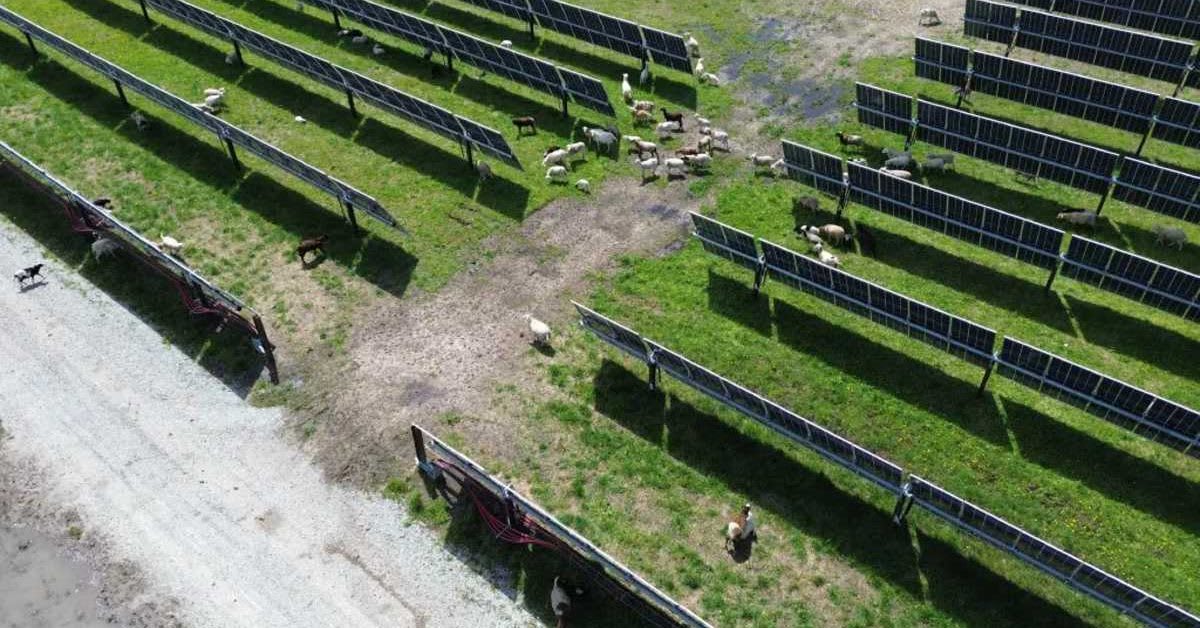
New Jersey approved 16 projects pairing solar panels with active farming, letting the same land produce both crops and clean electricity. Meanwhile, Illinois opened two community solar projects on a former coal mining site, transforming abandoned industrial land into renewable energy infrastructure.
These wooden turbines represent more than clever engineering. They show how nature-based solutions can replace carbon-intensive materials while meeting the world's growing energy needs.
#
More Images



Based on reporting by Google News - Wind Energy
This story was written by BrightWire based on verified news reports.
Spread the positivity!
Share this good news with someone who needs it