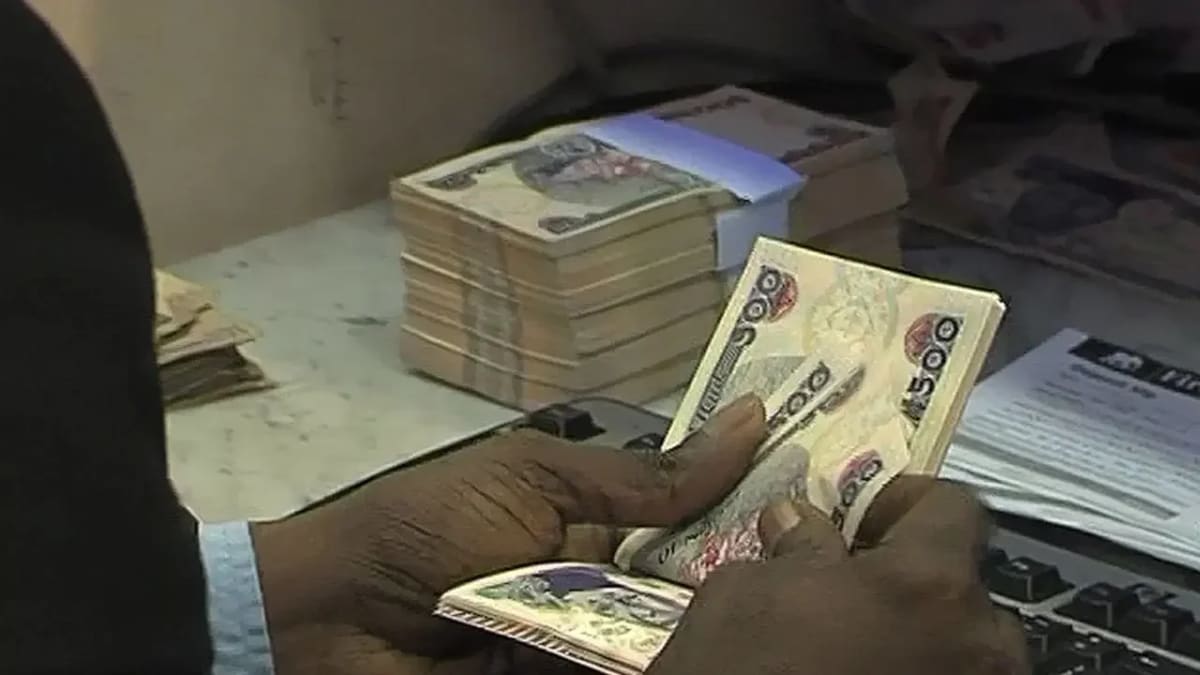
World Could End Extreme Poverty for 0.3% of Global GDP
A groundbreaking study reveals we could lift 830 million people out of extreme poverty for just $318 billion a year. That's less than what the world spends on alcohol, and researchers now have a smart way to identify exactly who needs help.
The world just got a roadmap to something once thought impossible: ending extreme poverty without waiting for economic miracles.
A new study from Stanford University shows we could reduce global extreme poverty to just 1% for about $318 billion per year. That's roughly what the world spends on alcohol in four months, or just 0.3% of the global economy.
The breakthrough isn't just about money. It's about finally knowing how to spend it wisely.
Researcher Roshni Sahoo and her team developed a machine-learning method that figures out exactly how much cash each person needs to escape poverty. Instead of guessing who's poor based on their roof material or how far they live from markets, the system calculates personalized amounts that give everyone the best shot at crossing the poverty line.
The timing matters because progress has stalled. Between 1990 and 2015, 1.2 billion people escaped poverty, mostly thanks to booming economies in China, India, and Indonesia. The global poverty rate plummeted from 43% to 13%.
But since 2015, that progress slowed to a crawl. Today, 830 million people still live on less than $3 a day, with seven in ten of them in sub-Saharan Africa.
Traditional aid focused on sparking economic growth, but that recipe proved elusive in the countries that need it most. The Democratic Republic of Congo, Ethiopia, and Nigeria now account for a quarter of the world's poorest people, and with rapid population growth, that could jump to two-fifths by 2050.
The new approach flips the script. Instead of trying to turn Congo into China, it simply closes the gap between what people have and what they need to survive.
The Ripple Effect
This isn't just about lifting individuals out of poverty. When people have enough to meet basic needs, children stay in school longer, families invest in small businesses, and entire communities stabilize.
The study analyzed data from 23 countries and found that even with imperfect information, targeted cash transfers dramatically outperform the old proxy-means tests that missed up to four-fifths of the truly poor while wrongly targeting half of those who weren't.
More than 130 countries already run cash-transfer programs. This research shows how to make them work exponentially better.
The cost becomes even smaller when you consider what we're already spending: wealthy nations provide about $200 billion in development aid annually, though much gets lost in bureaucracy rather than reaching people directly.
For less than half a percent of the global economy, humanity could finally prove Thomas Malthus wrong and show that extreme poverty isn't an iron law after all.
More Images

Based on reporting by Google News - Poverty Reduction
This story was written by BrightWire based on verified news reports.
Spread the positivity!
Share this good news with someone who needs it