World Cup Underdogs Prove Doubters Wrong in 2026 Tournament
Smaller nations are holding their ground against soccer powerhouses at the expanded 48-team World Cup, defying predictions of lopsided blowouts. Cape Verde stunned Spain with a 0-0 draw, and Congo held Ronaldo's Portugal to a tie.
The world's biggest soccer tournament just got bigger, and the underdogs are thriving.
When FIFA announced it would expand the World Cup from 32 to 48 teams, critics predicted disaster. They worried smaller nations would get crushed, turning matches into boring blowouts that would diminish the tournament's prestige.
Two weeks into the 2026 World Cup, those fears haven't come true. The numbers tell a surprising story: despite 24 more teams competing, the goal differential after the first 24 games matches exactly what it was in Qatar 2022.
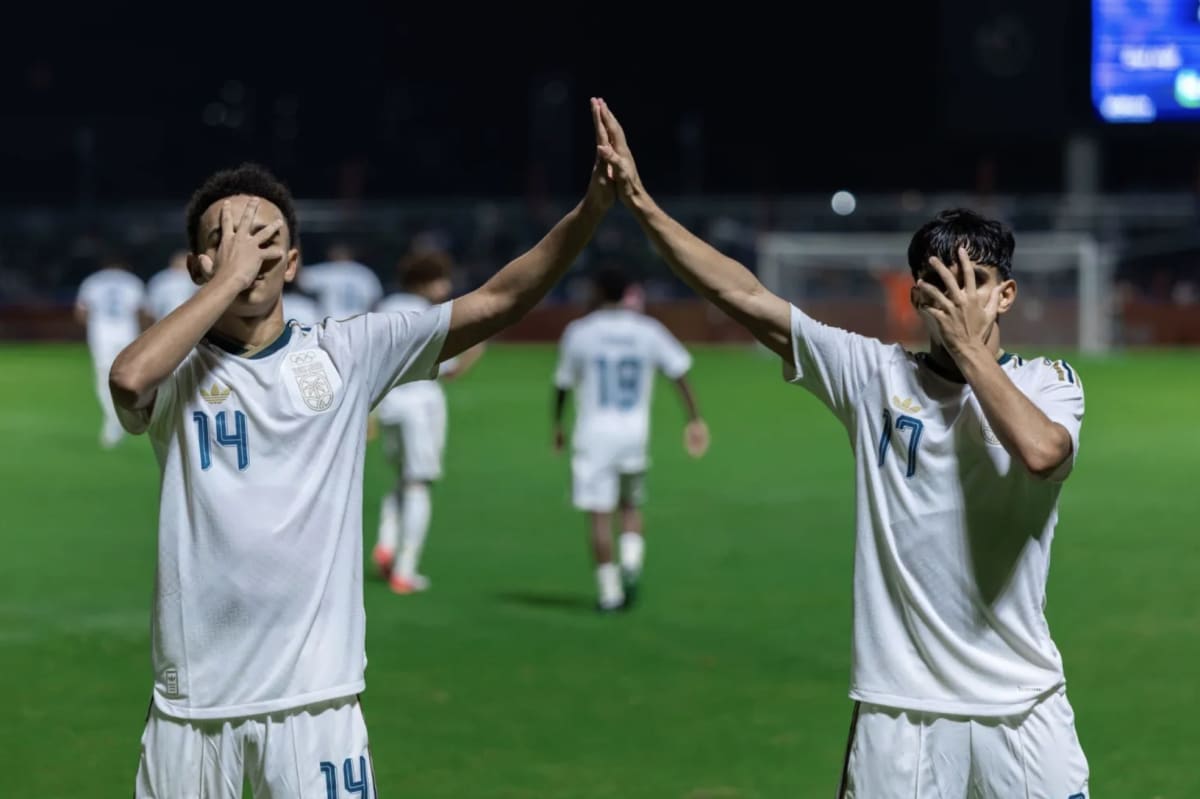
Cape Verde, ranked 67th in the world and one of the smallest nations ever to qualify, stunned second-ranked Spain to a 0-0 draw in one of the biggest upsets in World Cup history. Congo, back for the first time since 1974, fearlessly battled Cristiano Ronaldo's Portugal to a 1-1 tie.
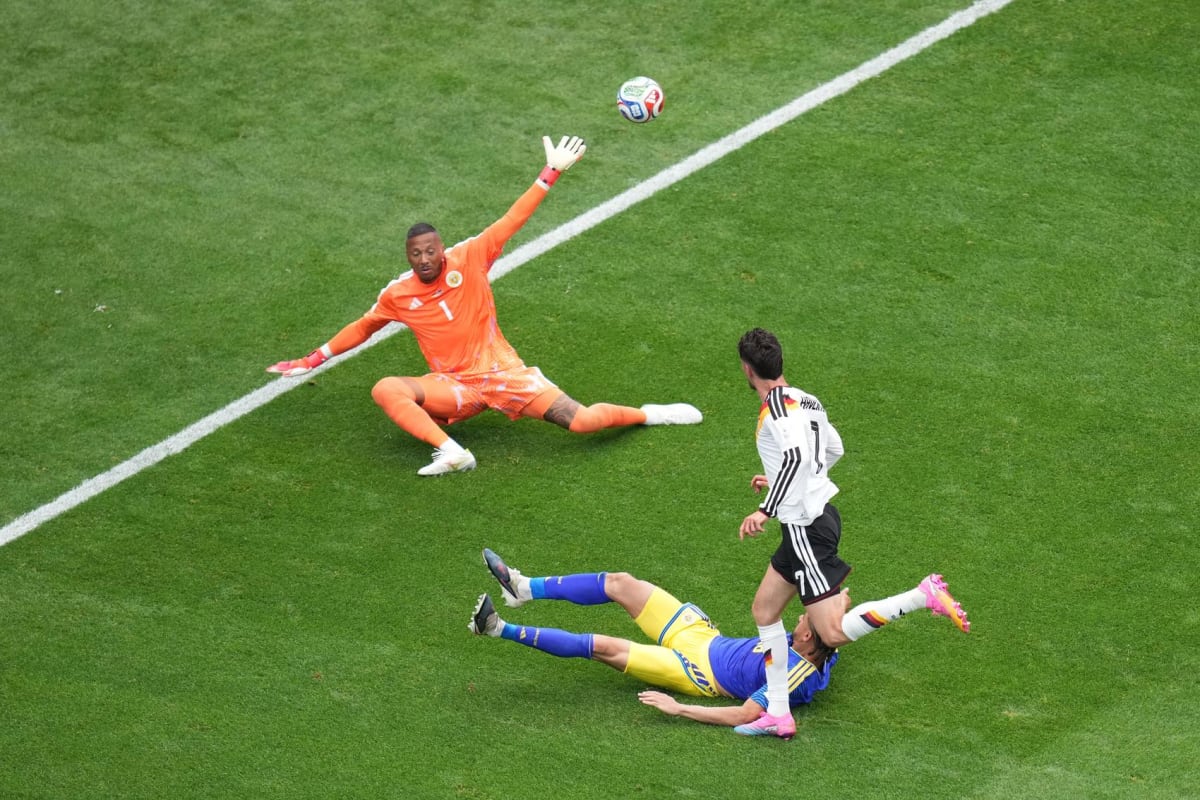
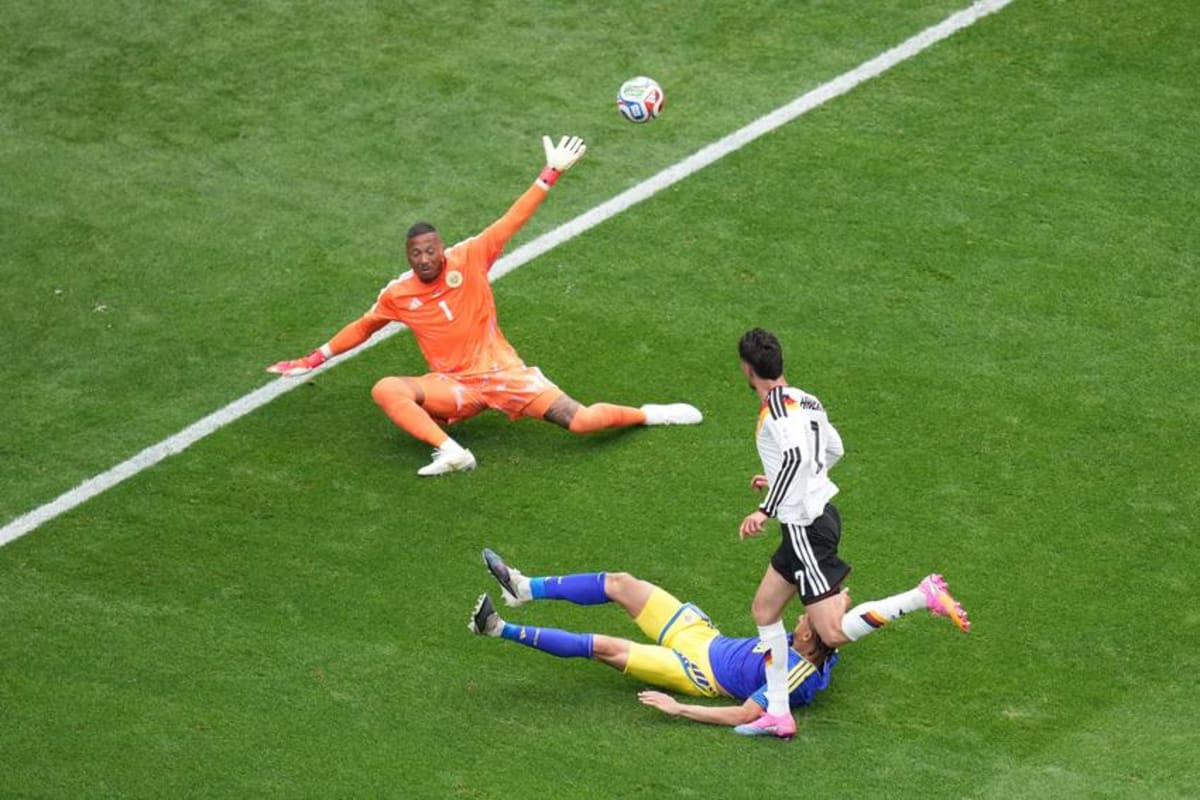
Even teams that lost stayed competitive. Haiti held Scotland to just a 1-0 defeat before falling to Brazil. Curaçao, ranked 82nd globally, kept the score tied 1-1 against Germany deep into the first half.
The Bright Side
The credit goes to a rapidly changing soccer world. Players from smaller nations now compete in top European leagues, gaining experience against the best. Countries that once couldn't afford elite coaches are hiring them, bringing world-class tactics and training methods to teams that previously lacked resources.
"It surprised me how even things are," said Mexico coach Javier Aguirre. "The teams have been improving."
Spain's coach Luis de la Fuente agreed after his team's draw with Cape Verde. "This game showed us that the World Cup is a tournament with a lot of equality," he said.
The competitive matches aren't just good for soccer. For nations like Cape Verde, Congo, and Haiti, simply participating inspires entire generations and accelerates football development back home.
When European soccer officials recently criticized the expanded format for creating "uninteresting matches," nine African, Asian, and Caribbean federations pushed back with a joint statement. "Football does not belong to a select group of nations," they wrote. "Its strength comes from its universality."
Tunisia coach Hervé Renard captured the tournament's new spirit perfectly: "When you are organized and together, you are able to compete."
The beautiful game just got more beautiful by giving more nations a chance to shine.
More Images



Based on reporting by Japan Today
This story was written by BrightWire based on verified news reports.
Spread the positivity!
Share this good news with someone who needs it