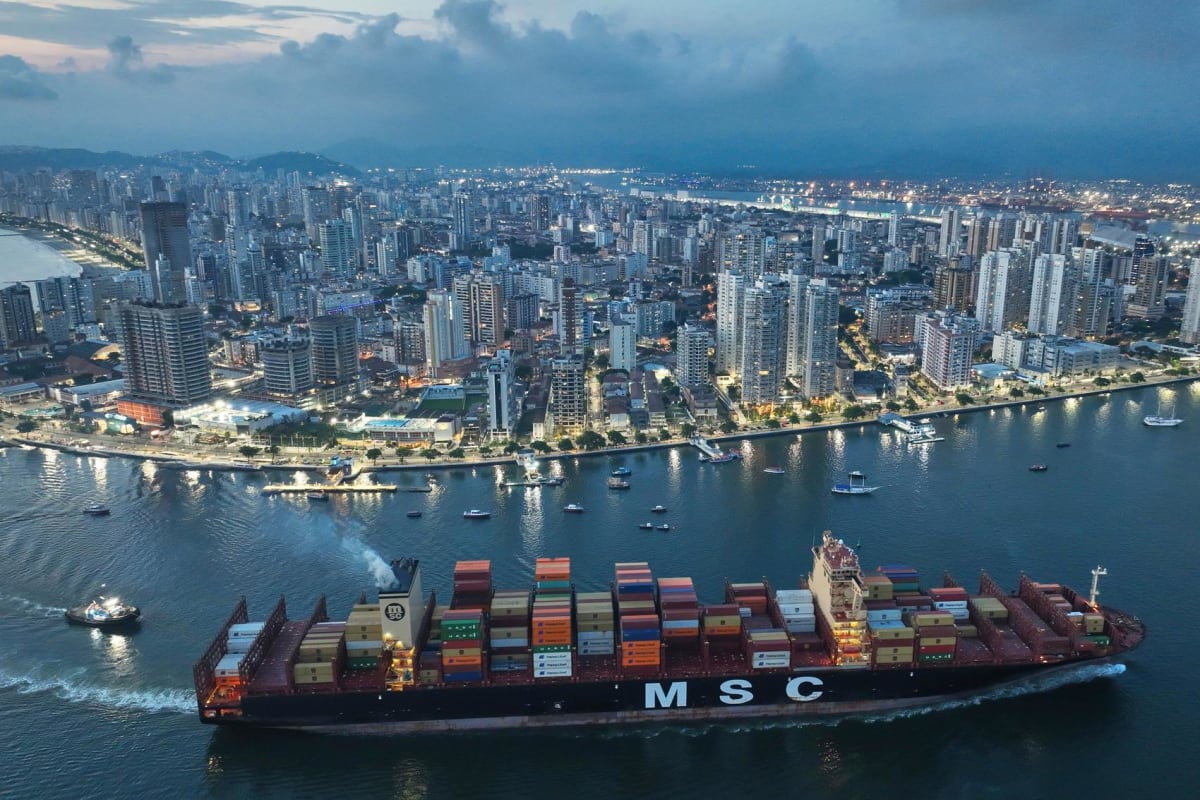
World Keeps Plan for First Global Shipping Emissions Fee
Nations preserved a groundbreaking framework to charge ships for carbon emissions, keeping alive the world's first global climate tax. Despite disagreements, most countries are staying committed to cleaning up an industry responsible for 3% of global emissions.
The world just took a big step toward making ocean shipping cleaner, even though the finish line is still ahead.
Maritime nations meeting in London this week kept alive a historic plan to charge ships for their greenhouse gas emissions. It would be the first global fee on carbon pollution ever created, pushing an industry that moves most of the world's goods toward zero emissions by 2050.
The plan wasn't finalized yet, but that's actually progress. Last October, the United States and Saudi Arabia blocked what was supposed to be a routine vote, forcing a one-year delay. This week, delegates scheduled more meetings for fall and agreed to keep the framework as their foundation.
Here's how it would work. Ships burning fossil fuels would pay fees for every ton of greenhouse gases they emit above set limits. Those fees would fund green shipping technologies, reward clean vessels, and help developing countries transition away from dirty fuel.
Shipping emissions have grown to about 3% of the global total as trade expands. Most cargo ships run on heavy fuel oil that spews carbon dioxide and other pollutants across thousands of ocean miles.
The International Chamber of Shipping, representing over 80% of the world's merchant fleet, supports the regulations. That's significant because shipping companies are asking for clear rules now so they can invest in cleaner technologies with confidence.
Some countries want to keep discussing alternative proposals, which could change the plan. Australia and others worried this might drag out negotiations when climate impacts are hitting communities worldwide and the industry needs direction today.
The Ripple Effect
This isn't just about cleaner air over the ocean. Large ships last about 25 years, so decisions made now will shape global trade and climate progress for decades.
The collected fees would create a fund investing in alternatives like ammonia fuel, which doesn't contain carbon. The framework includes a marine fuel standard that gradually reduces allowed emissions over time, creating a clear path forward.
IMO Secretary-General Arsenio Dominguez said the talks are "back on track," though he urged countries to rebuild trust. A majority of nations support the framework, showing real momentum despite opposition.
Climate advocates say survival of the plan matters, but warn against endless negotiations. The goal is adoption later this year with urgency and fairness for countries facing the worst climate impacts.
Even one California port shows what's possible: Los Angeles required docked ships to use local electricity instead of running oil-burning engines, cutting an estimated 2% of the region's smog.
The world proved this week it can keep rowing toward cleaner seas, even when the waters get choppy.
More Images

Based on reporting by Japan Today
This story was written by BrightWire based on verified news reports.
Spread the positivity!
Share this good news with someone who needs it