World's Fattest Parrot Has Record 105 Chicks Hatch
The critically endangered kākāpō parrot, which nearly vanished in the 1990s, just celebrated its most successful breeding season ever with 105 chicks hatched in New Zealand. With only 235 of these flightless, rotund birds left on Earth, every new life brings real hope for survival.
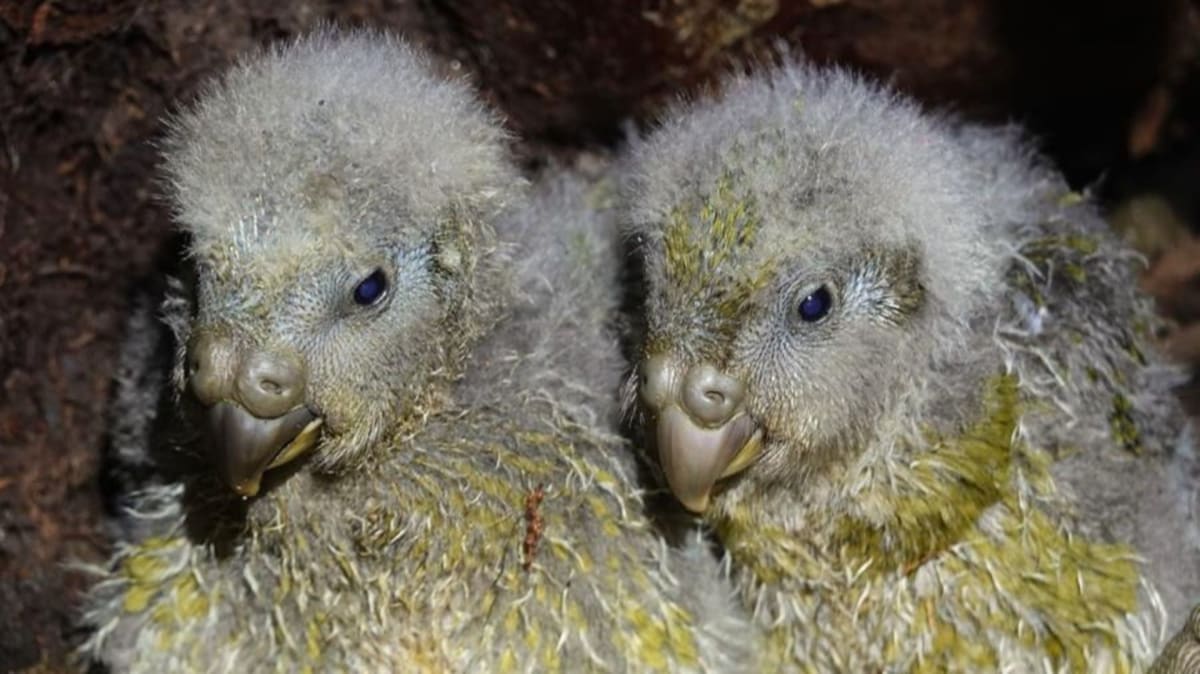
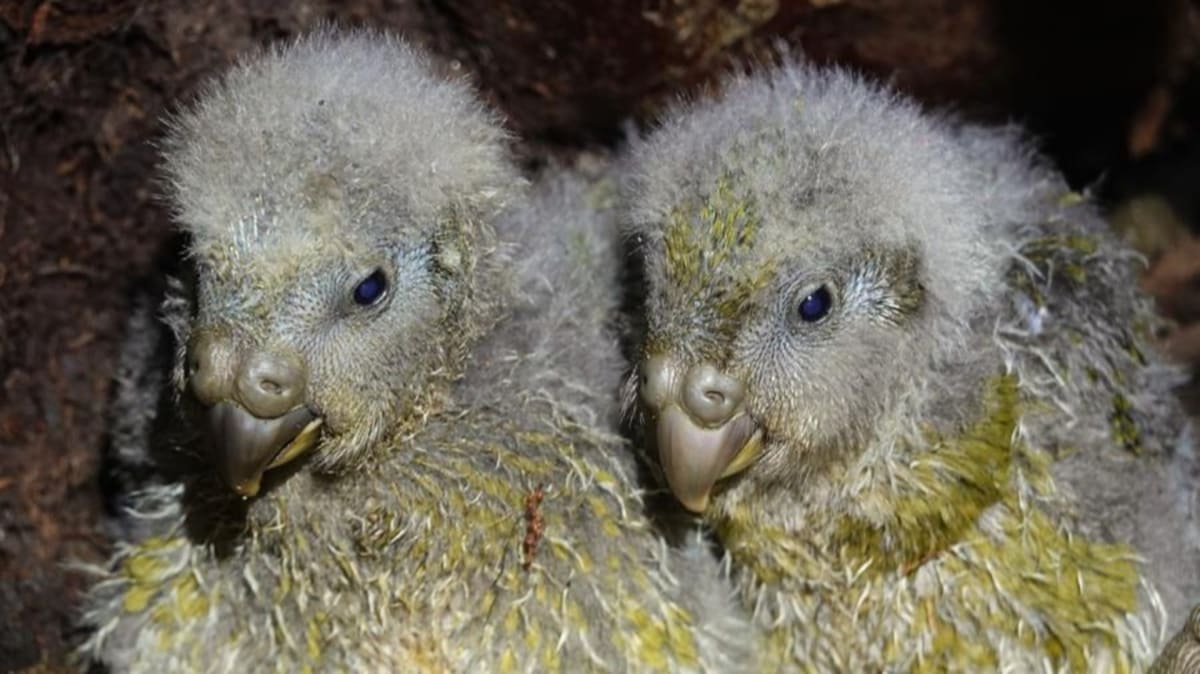
New Zealand conservationists are celebrating a milestone that seemed impossible three decades ago: 105 kākāpō chicks have hatched this breeding season, the highest number since records began. For a species that teetered on extinction's edge in the 1990s, each chirp represents a small miracle.
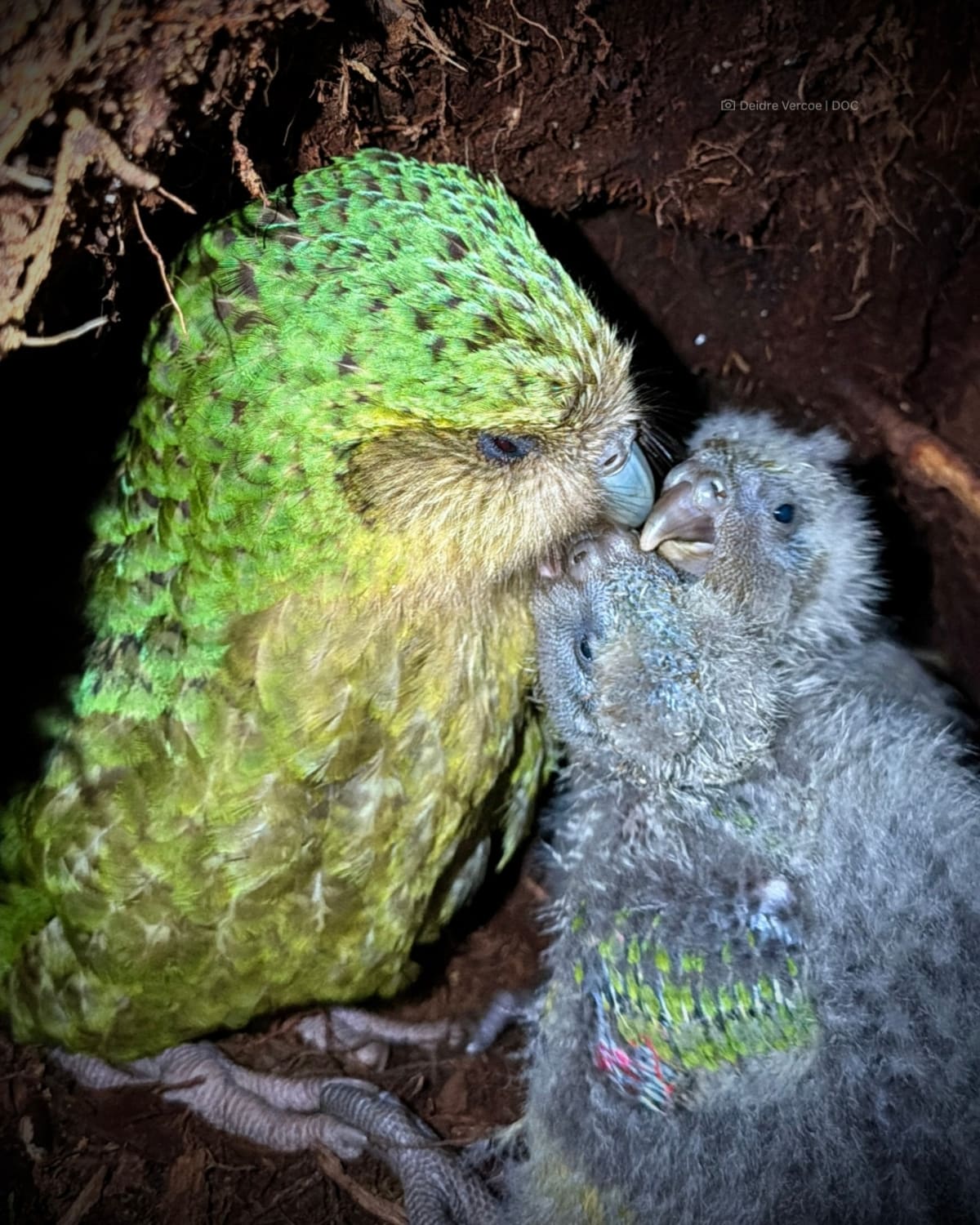
The kākāpō holds a unique title as the world's heaviest parrot, with males tipping the scales at nearly 9 pounds. These flightless birds, found only in New Zealand, almost disappeared forever due to hunting, habitat loss, and introduced predators that devastated their population.
What makes this achievement even more remarkable is how slowly these birds reproduce. Kākāpō breed only every two to four years, and most females hatch just one chick per season, making every successful hatching precious.
Of the 256 eggs laid this year, 98 chicks remain alive and growing stronger each day. One egg still sits in an incubator, holding the promise of another new life.
The Kākāpō Recovery Programme team monitors each chick carefully, with the oldest now over 50 days old. Seven chicks have died, and four received medical treatment at Dunedin Wildlife Hospital, reminding us that conservation work involves both joy and heartbreak.
These chunky, moss-green parrots won't reach adulthood until mid-July, when they turn 150 days old. That's when conservationists will confirm the final count for this historic breeding season.
The Ripple Effect
Today, an estimated 235 kākāpō exist in the wild, up from critically low numbers that nearly spelled extinction. This breeding boom doesn't just add numbers; it adds genetic diversity crucial for the species' long-term survival.
Each successful season builds momentum for recovery programs worldwide facing similar challenges. The dedication of New Zealand's conservation rangers shows what's possible when humans commit to repairing damage done to vulnerable species.
"Every new chick brings the species further from the brink of extinction," said Deidre Vercoe, the Department of Conservation's operations manager. "There's always a sense of hope and optimism for the future."
That hope now waddles on 98 pairs of tiny feet, proof that even the fattest, slowest-breeding parrot on Earth can make a comeback.
More Images


Based on reporting by Live Science
This story was written by BrightWire based on verified news reports.
Spread the positivity!
Share this good news with someone who needs it