World's First Ethanol-Powered Ocean Ship Cuts Emissions 90%
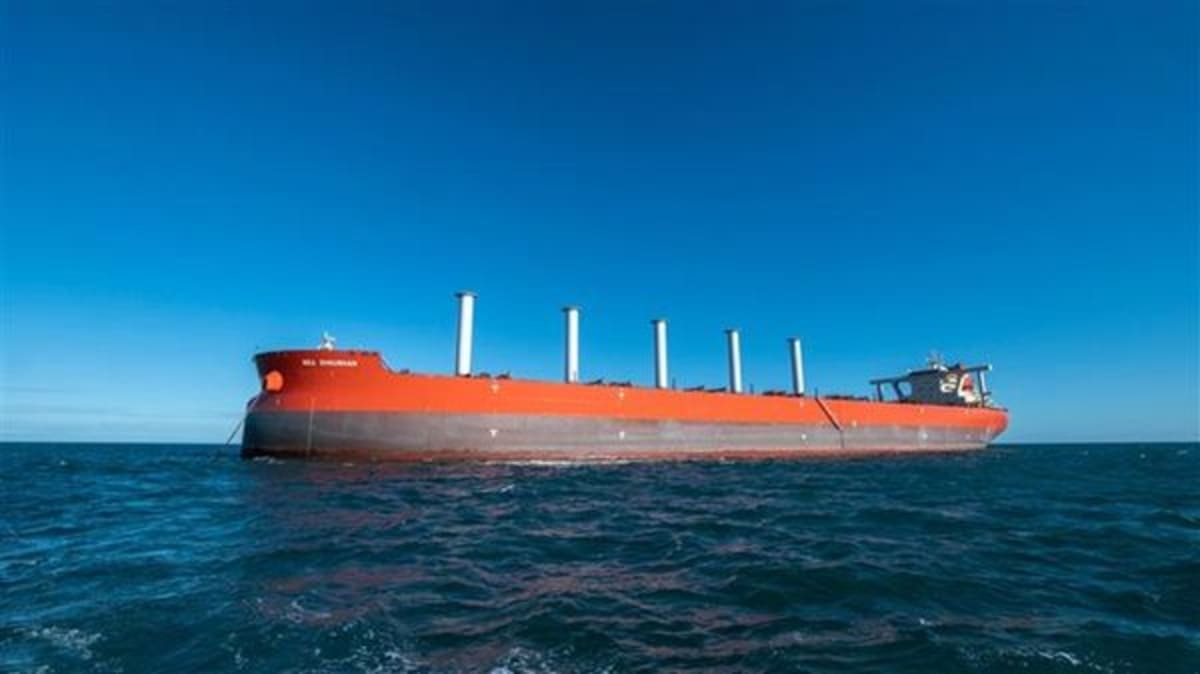
A massive cargo ship that runs on ethanol instead of fossil fuels will hit the oceans in 2029, slashing carbon emissions by 90%. Mining giant Vale just sealed the deal for vessels that could transform how the world moves goods across the sea.
The world's first ethanol-powered ocean vessel is coming in 2029, and it could revolutionize how we ship goods while protecting our planet.
Vale, a Brazilian mining company, just signed an agreement with Shandong Shipping Corp. to build massive cargo ships that run primarily on ethanol. These aren't small boats. We're talking 340-meter giants capable of carrying 325,000 metric tons of iron ore across oceans.
The switch from heavy fuel oil to ethanol could cut carbon emissions by around 90% over the fuel's entire lifecycle. That's a game-changing reduction for an industry that moves most of the world's products but produces significant pollution in the process.
The new Guaibamax vessels combine multiple green technologies to maximize efficiency. Five rotor sails will harness wind energy to reduce fuel consumption. More efficient engines, hydrodynamic devices, and other upgrades will cut greenhouse gas emissions by 15% compared to Vale's current ship generation.
Smart design choices make these vessels future-proof. They can run on ethanol, methanol, or heavy fuel oil, and their design allows conversion to liquefied natural gas or ammonia as those technologies develop.
Vale committed to a 25-year contract for two vessels, with options for more ships. The company has already invested $1.4 billion since 2020 to reduce emissions across its operations, testing ethanol in trucks and locomotives alongside maritime transport.
The Ripple Effect
This breakthrough arrives as the International Maritime Organization works to decarbonize global shipping. Vale's move could push the entire industry toward cleaner fuels. When one major player proves alternative fuels work on massive ocean vessels, competitors often follow.
The ethanol ships join 10 other dual-fuel vessels Shandong will deliver to Vale starting in 2027. Vale's existing fleet already reduces CO2 emissions by up to 41% compared to standard vessels. These improvements add up across thousands of ocean voyages each year.
Brazil's position as a major ethanol producer makes the fuel choice particularly strategic. Using second-generation ethanol maximizes the carbon reduction benefits while supporting renewable fuel infrastructure.
The maritime industry has long relied on heavy fuel oil because alternatives seemed impractical for long ocean voyages. This project proves that assumption wrong with real ships, real contracts, and real delivery dates just five years away.
Based on reporting by Google News - Emissions Reduction
This story was written by BrightWire based on verified news reports.
Spread the positivity!
Share this good news with someone who needs it