World's Largest Flying Taxi Passes Formation Flight Test
A massive electric aircraft just proved it can safely fly alongside other vehicles, bringing us closer to a future of flying taxis and cargo delivery. The V5000 Matrix seats 10 passengers and dwarfs every other electric aircraft in development.
📺 Watch the full story above
The world's largest electric flying taxi just aced a test that brings the future of air travel one step closer to reality.
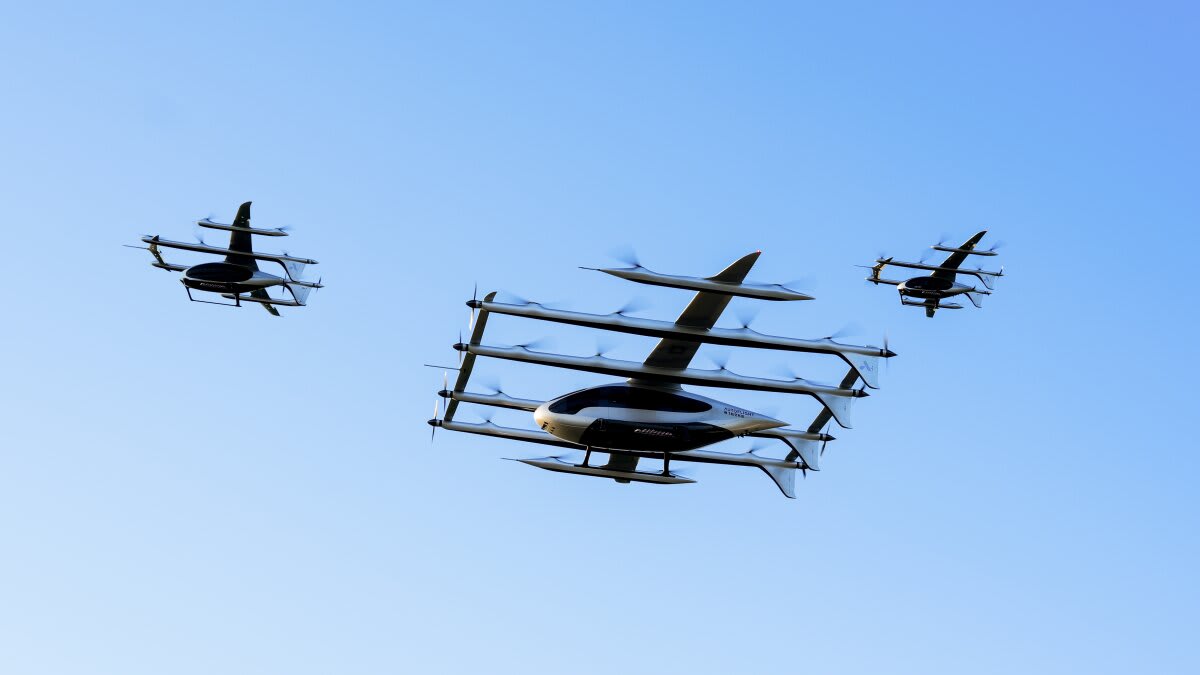
AutoFlight's V5000 Matrix, a vehicle the size of a small private jet, recently completed a coordinated formation flight with two smaller electric aircraft. The test validated that different sized vehicles can safely communicate, plan routes, and fly together without incident.
This matters because future skies won't just have one type of electric aircraft buzzing around. They'll have dozens of different models sharing airspace, and they all need to play nicely together.
The Matrix isn't your typical urban air taxi. With a 65-foot wingspan and weighing over 12,000 pounds at takeoff, it dwarfs competitors like the Lilium Jet and Joby S4. No other publicly known electric vertical takeoff and landing aircraft comes close to its size.
That extra room translates into serious capability. The passenger version seats up to 10 people in business-class comfort, complete with lavatories, climate control, and oversized windows. It can fly 155 miles on pure electric power and transitions seamlessly from vertical takeoff to horizontal flight.
The cargo version gets even more interesting. By switching to a hybrid-electric system, it can haul 3,300 pounds of freight up to 932 miles at 174 mph. That's regional delivery territory, opening doors for disaster response and deliveries to remote areas with poor road infrastructure.
AutoFlight has already proven the technology works. In February, the passenger version completed a full transition flight in China, moving from vertical takeoff through cruise flight and back to vertical landing. That's a technical milestone many competitors haven't reached yet.
The cargo variant just entered official airworthiness certification, moving from experimental testing to the regulatory approval process that could put it into commercial service.
Safety runs deep in the design. Twenty separate motors provide lift during takeoff and landing, and the system keeps flying even if two motors fail simultaneously. That redundancy becomes critical when you're carrying 10 passengers or valuable cargo.
The Ripple Effect
The formation flight test opens pathways far beyond urban air taxis. AutoFlight has designed floating airports powered by solar energy that could sit on rivers or coastal waters. Imagine disaster relief supplies reaching flood victims by aircraft that doesn't need a runway, or fresh medical supplies arriving at remote island communities within hours instead of days.
Regional cargo delivery could transform how goods move in areas where roads wash out during monsoons or where building highway infrastructure costs billions. The Matrix could connect communities that traditional logistics networks struggle to reach.
Electric aviation is expanding from a niche technology into a practical transportation solution. With aircraft this size passing critical coordination tests, the vision of routine electric flights carrying people and cargo across regions is shifting from science fiction to engineering reality.
The future of flight just got a whole lot bigger.
More Images


Based on reporting by New Atlas
This story was written by BrightWire based on verified news reports.
Spread the positivity!
Share this good news with someone who needs it