World's Oldest Fermented Bread Found in Turkey
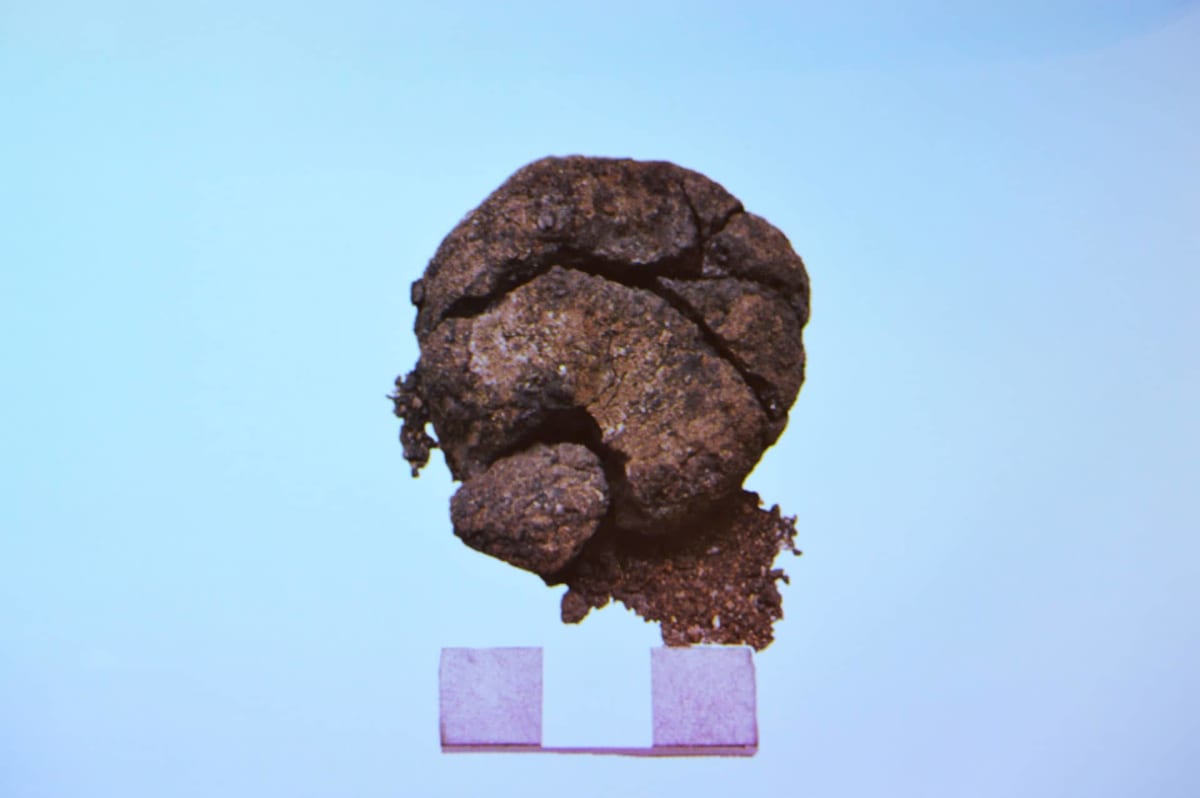
Archaeologists just discovered 8,600-year-old fermented bread at a Turkish archaeological site, pushing back our understanding of ancient baking by thousands of years. The spongy dough even still shows a fingerprint from the baker who made it.
A lump of ancient dough is rewriting the history of baking, and you can still see where someone pressed their finger into it 8,600 years ago.
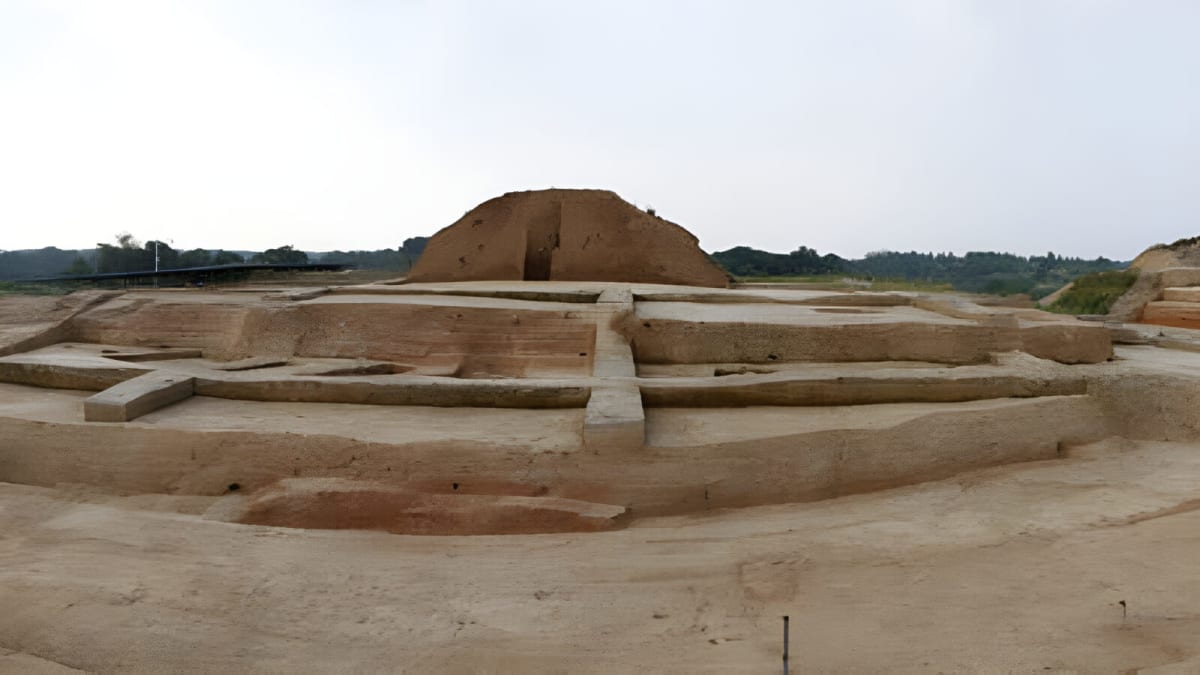
Archaeologists at Necmettin Erbakan University discovered the remarkably preserved bread at Çatalhöyük, a Neolithic settlement in central Turkey. The fermented dough sat beside an oven in an ancient building, surrounded by wheat, barley, and pea seeds.
The bread never made it into the oven, frozen in time by the fine clay that sealed the building. That same clay preserved both the wooden structures and the spongy dough for millennia.
Researchers confirmed what they were looking at using electron microscope imaging. The analysis revealed air bubbles, starch grains, and chemical signatures of fermentation, all perfectly preserved in the porous structure.
This discovery pushes back evidence of fermented bread by over 7,000 years. Previously, ancient Egypt held the record at around 1500 BCE, when bakers learned that letting dough rest with wild yeasts created lighter, fluffier bread.
Çatalhöyük was home to some of humanity's first farmers. Between 7500 BCE and its abandonment around 5950 BCE, residents cultivated wheat and barley, herded sheep and goats, and built one of the largest Neolithic settlements ever discovered.
The site has yielded treasures before, including what may be the world's oldest map painted on a wall. But finding uncooked fermented dough offers something rare: a glimpse into the everyday experimentation of ancient cooks.
Why This Inspires
The fingerprint pressed into that dough connects us to someone who lived nearly 9,000 years ago. They were experimenting with fermentation, trying to make something better than simple flatbread, pushing the boundaries of what food could be.
We don't know why this particular loaf never made it into the oven. Maybe the baker got called away, maybe they were still perfecting their recipe, or maybe life simply intervened as it does.
What we do know is that humans have been tinkering, improving, and innovating with food for far longer than we thought. That spirit of experimentation, alive in a Neolithic kitchen, is the same one driving progress today.
Based on reporting by Google: archaeological discovery
This story was written by BrightWire based on verified news reports.
Spread the positivity!
Share this good news with someone who needs it
%2Fhttps%3A%2F%2Ftf-cmsv2-smithsonianmag-media.s3.amazonaws.com%2Ffiler_public%2F34%2Fe8%2F34e8ec6a-e29c-44fc-bd4b-046753d01071%2Fupdated_illustration_marohn-scaled.jpg)