World's Tallest Vertical Farm Grows 2,000 Tons a Year
Singapore's Greenphyto operates a 23-meter indoor farm using AI and robotics to grow fresh vegetables year-round, regardless of weather. Argentine diplomats toured the facility to explore how this technology could help feed the world's growing population.
A towering indoor farm in Singapore is proving that the future of food doesn't need soil, sunshine, or sprawling fields.
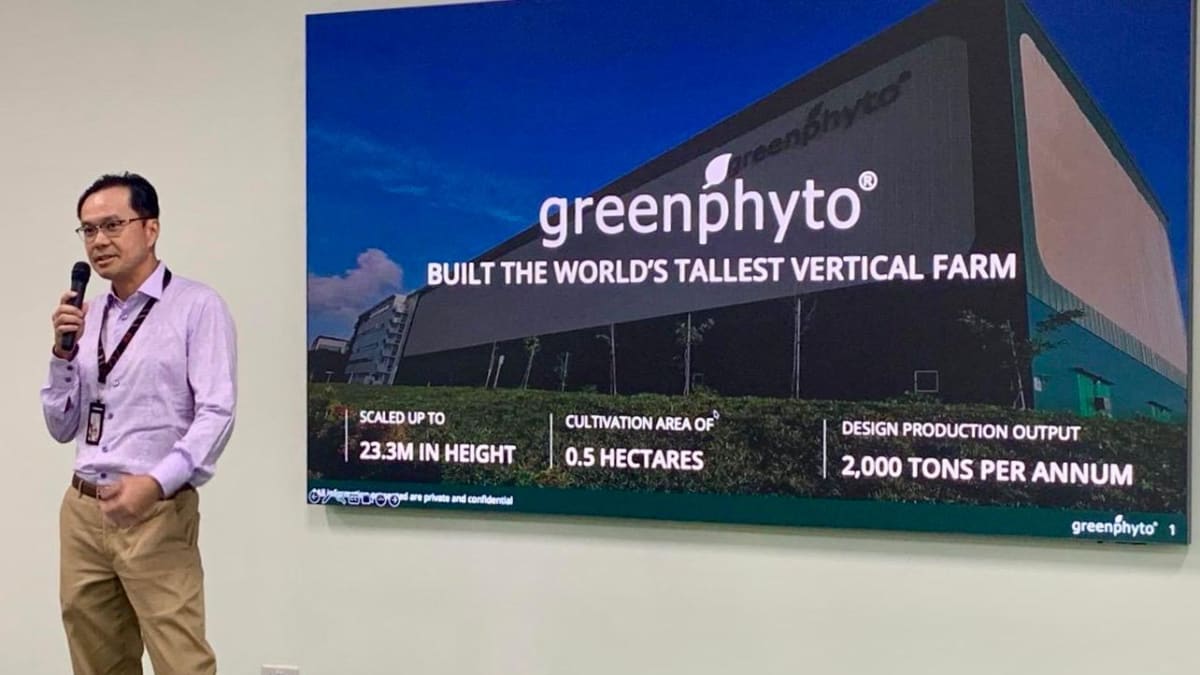
Greenphyto's vertical hydroponic farm stands 23.3 meters tall and produces up to 2,000 tons of fresh vegetables annually using artificial intelligence, robotics, and automation. The facility operates entirely indoors in a controlled environment, growing leafy greens without depending on weather conditions or traditional farmland.
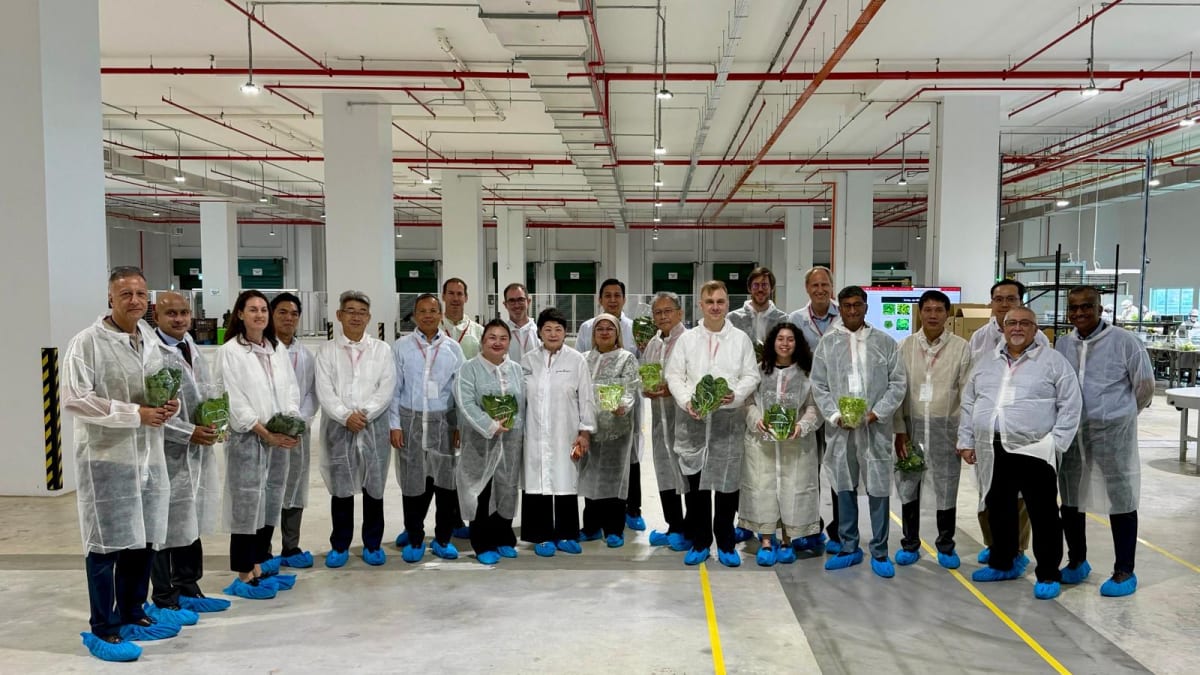
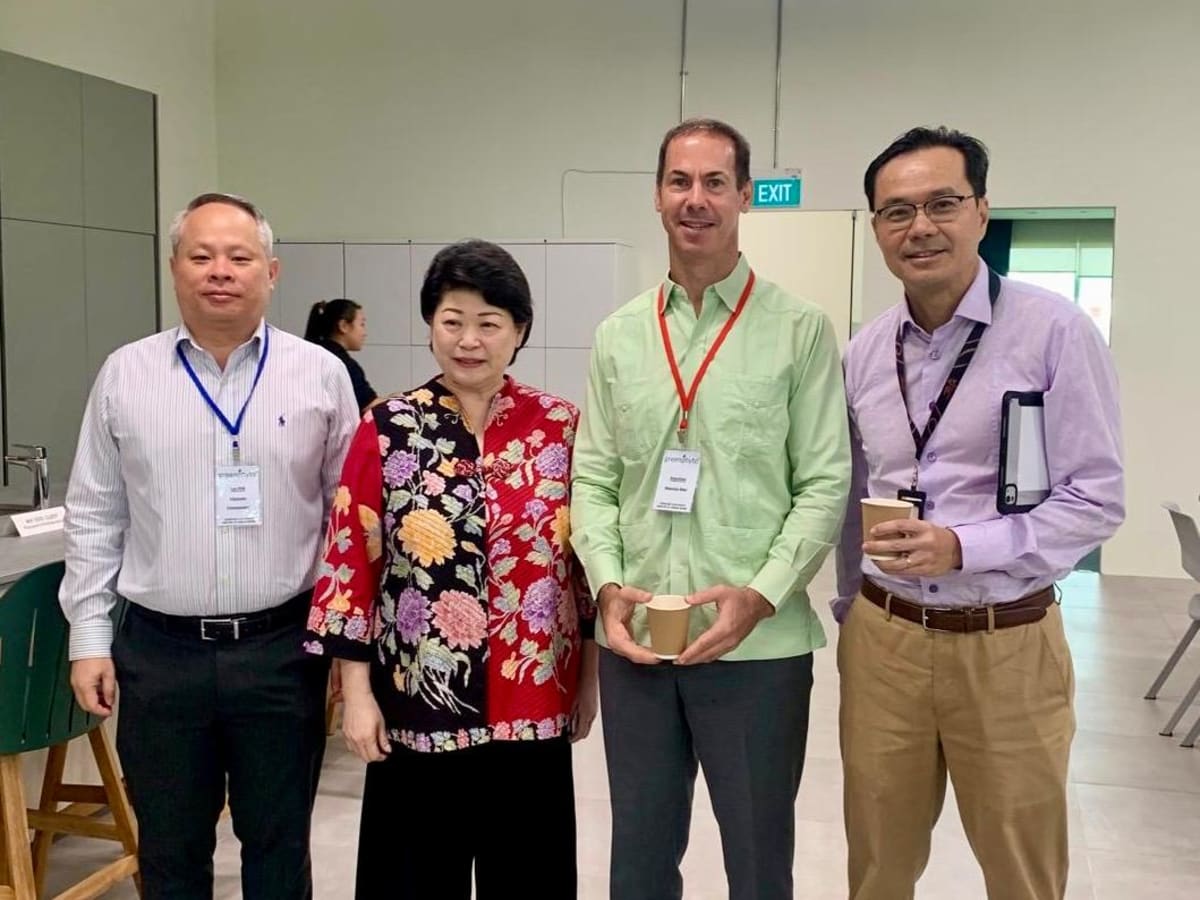
Argentine Ambassador Mauricio Nine recently toured the groundbreaking facility alongside Singapore Food Agency CEO Damian Chan Chee Weng and Greenphyto founder Susan Chong. The visit highlighted growing international interest in agricultural technology that can help countries feed their populations sustainably.
The farm's AI-driven systems continuously monitor crop health and adjust growing conditions in real time to maximize efficiency. This technology allows year-round production while using far less land and resources than conventional farming methods.
Chong designed the system specifically for land-scarce nations facing climate challenges. Her vision focuses on creating farming solutions that work anywhere, regardless of local weather patterns or available space.
The technology isn't staying in Singapore. Greenphyto plans to export its farming systems and digital solutions to international markets, potentially transforming how countries approach food security.
The Ripple Effect
This collaboration between Argentina and Singapore represents more than just a diplomatic visit. It opens doors for knowledge sharing between nations working to solve one of humanity's biggest challenges: feeding a growing global population sustainably.
Countries worldwide are watching Singapore's agri-tech innovations closely. As climate change makes traditional farming more unpredictable, controlled indoor systems offer reliable alternatives that can operate in deserts, cities, or arctic regions.
The technology also addresses urban food security. Cities can grow fresh produce locally instead of transporting it hundreds of miles, reducing carbon emissions and delivering fresher vegetables to consumers.
Ambassador Nine's interest reflects Argentina's own agricultural expertise and desire to blend traditional farming knowledge with cutting-edge innovation. The exchange could benefit both nations as they develop climate-resilient food systems.
Singapore's government continues backing these innovations through agencies like the SFA, recognizing that small nations must lead in agricultural efficiency. Their investments are creating solutions that could help millions worldwide access fresh, locally grown food regardless of geography or climate.
The future of farming might just grow upward instead of outward.
More Images
Based on reporting by Google News - Singapore Technology
This story was written by BrightWire based on verified news reports.
Spread the positivity!
Share this good news with someone who needs it