World's Tallest Wind Turbines Power 52,000 Homes in Germany
Germany just flipped the switch on a groundbreaking wind farm featuring the world's first ultra-tall turbines designed specifically for areas with lighter winds. The Mahlsdorf project proves that modern technology can squeeze clean energy from places previously considered too calm for wind power.
Ten towering giants now spin silently over Brandenburg, Germany, marking a turning point for wind energy in places that don't get hurricane-force gusts.
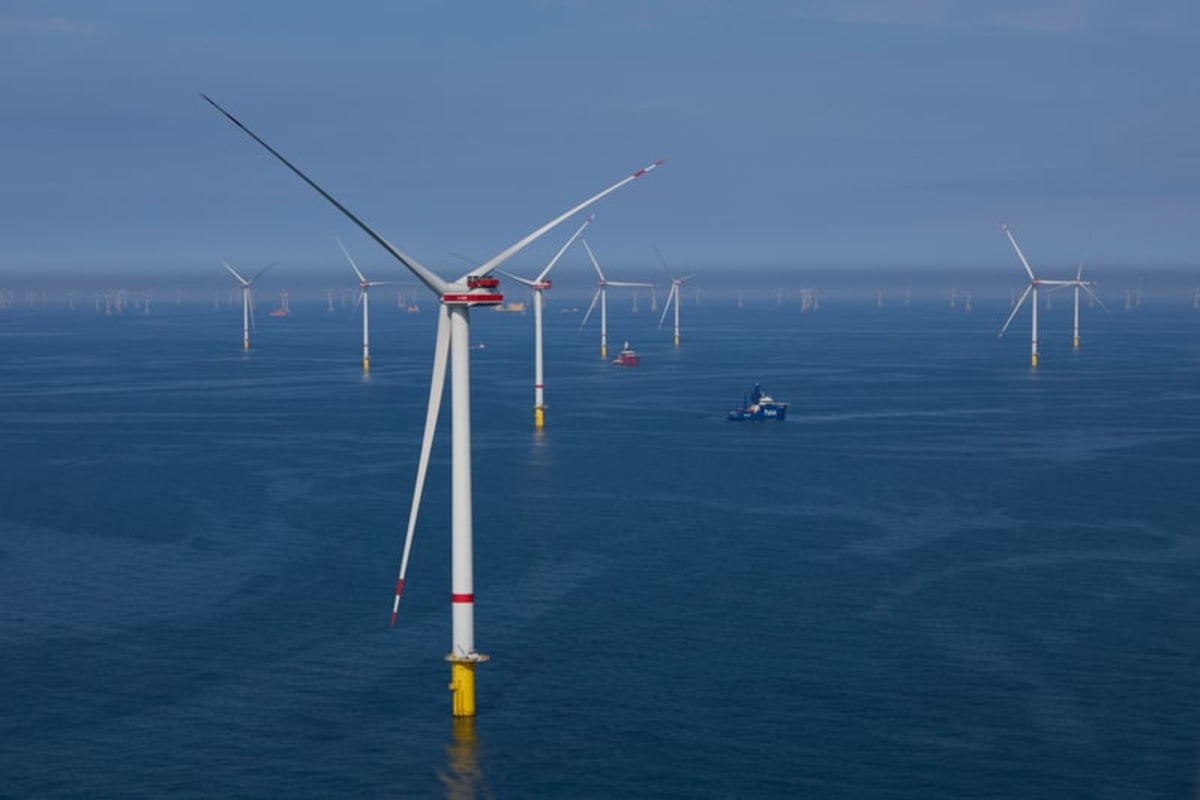
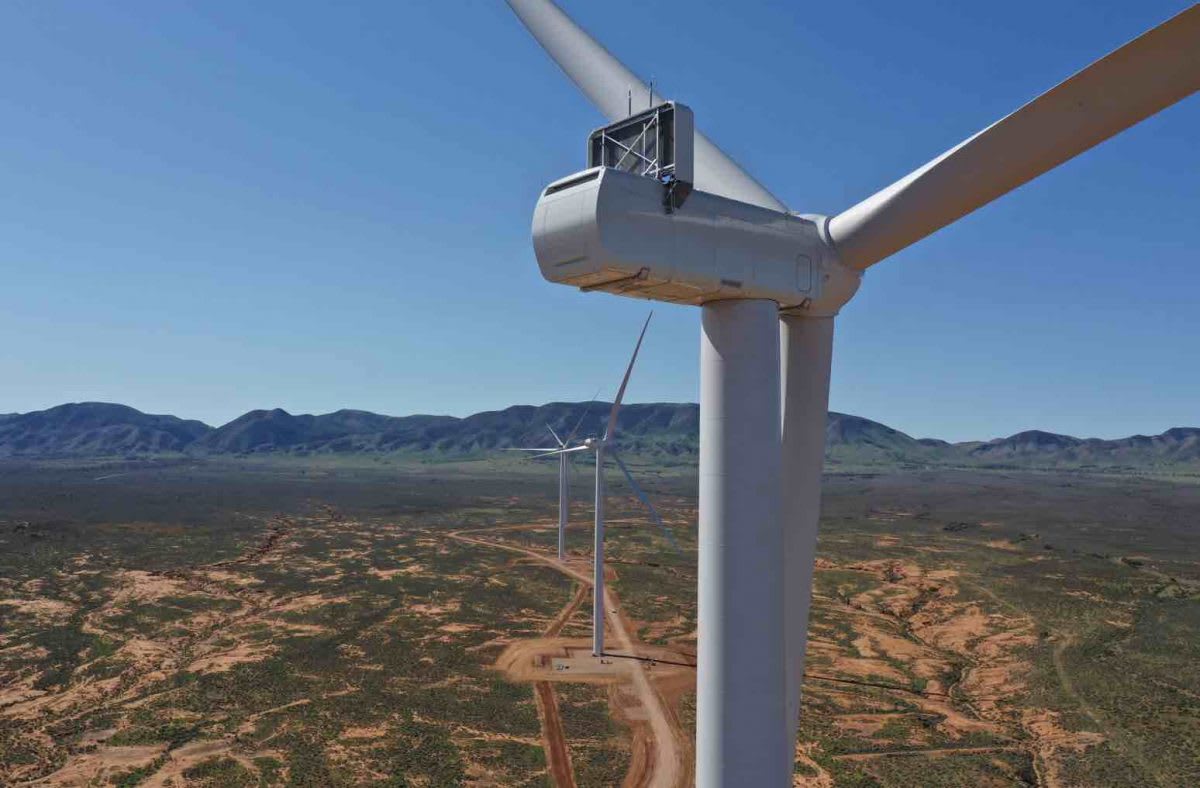
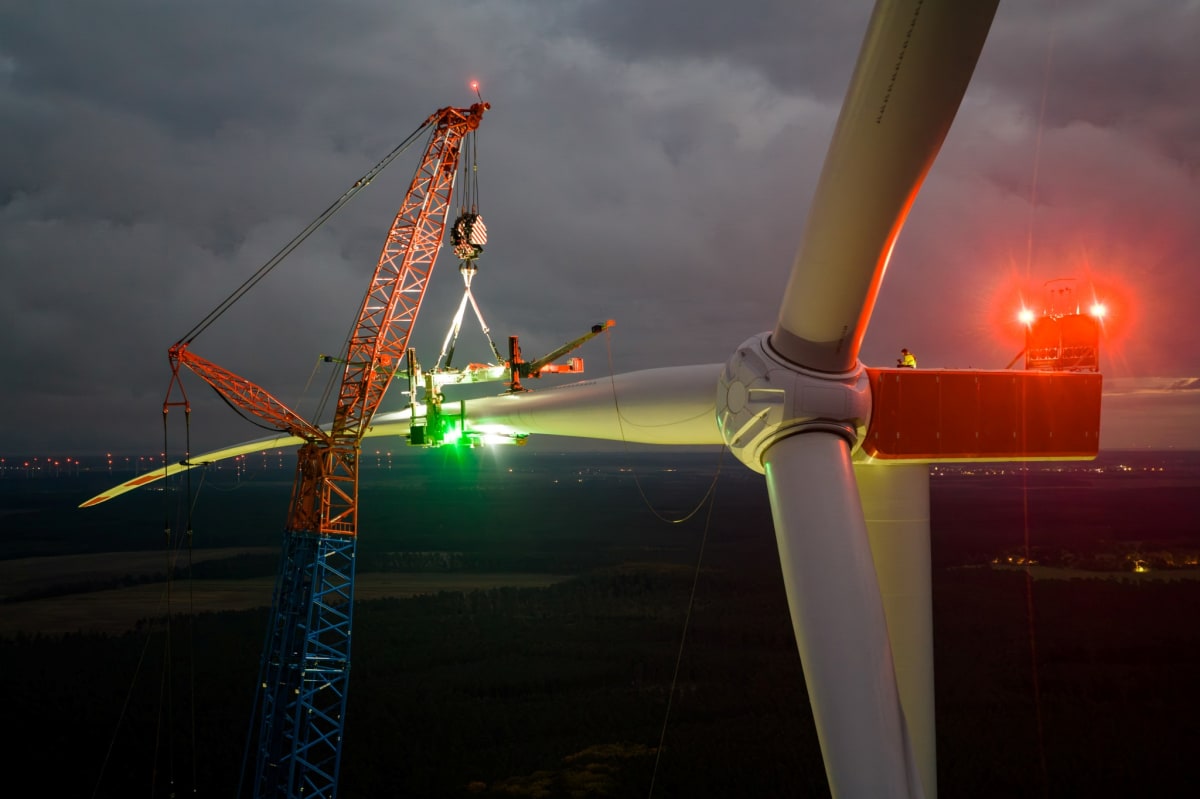
The Mahlsdorf wind farm just became the first in the world to use Nordex's N175 turbines, standing 179 meters tall with massive 175-meter rotors. These aren't just bigger versions of old designs. They're specifically engineered to capture steady power from moderate wind conditions that older turbines would waste.
The numbers tell an impressive story. This 68-megawatt facility will generate enough electricity annually to power approximately 52,000 households of three people each. That's an entire small city running on wind instead of fossil fuels.
What makes these turbines special is their hybrid tower design, which lifts the rotors high enough to catch smoother, stronger winds with less turbulence. Think of it like climbing a mountain: the air gets steadier the higher you go. For regions that don't have coastal gales or mountain passes, this height advantage changes everything.
The UKA Group developed the project in partnership with Nordex, who handled manufacturing, construction, and installation. Their close coordination allowed them to complete the project on schedule, proving that ambitious timelines and cutting-edge technology can work together.
The Ripple Effect
This breakthrough extends far beyond one German wind farm. Roughly half of potential wind energy sites worldwide have moderate wind speeds that older turbines couldn't efficiently convert to power. The technology proven at Mahlsdorf suddenly makes thousands of locations viable for clean energy development.
Local communities benefit directly too. Under Brandenburg law, wind farm operators pay surrounding municipalities 10,000 euros per turbine annually. Starting in 2026, that shifts to 5,000 euros per installed megawatt. UKA also voluntarily shares 0.2 cents for every kilowatt-hour generated with nearby towns within 2.5 kilometers.
Those funds stay local, with no strings attached from regional budget equalization rules. Towns can invest in schools, daycare centers, playgrounds, infrastructure, or community clubs. Clean energy becomes a direct boost to local quality of life.
The timing matters enormously. Germany faces intense competition in renewable energy auctions, with UKA's managing partner Gernot Gauglitz predicting 400% oversubscription rates by May 2026. Only the most efficient projects using cutting-edge turbines will win approval and financing.
Nordex's Karsten Brüggemann called Mahlsdorf "a true flagship project" that demonstrates what modern turbine technology can achieve at medium-wind sites. The successful world premiere sends a powerful signal about Germany's renewable energy expansion and the competitiveness of European clean tech innovation.
Wind farms can now work almost anywhere the breeze blows.
Based on reporting by Google News - Wind Energy
This story was written by BrightWire based on verified news reports.
Spread the positivity!
Share this good news with someone who needs it