Worm Farms Turn Food Waste Into Garden Gold at Home
A simple worm farm can fit on an apartment balcony and transform kitchen scraps into nutrient-rich compost in weeks. One writer proves worm composting works everywhere, from Sydney high-rises to abandoned farmland.
Your banana peels and coffee grounds could become black gold for your garden, no matter where you live.
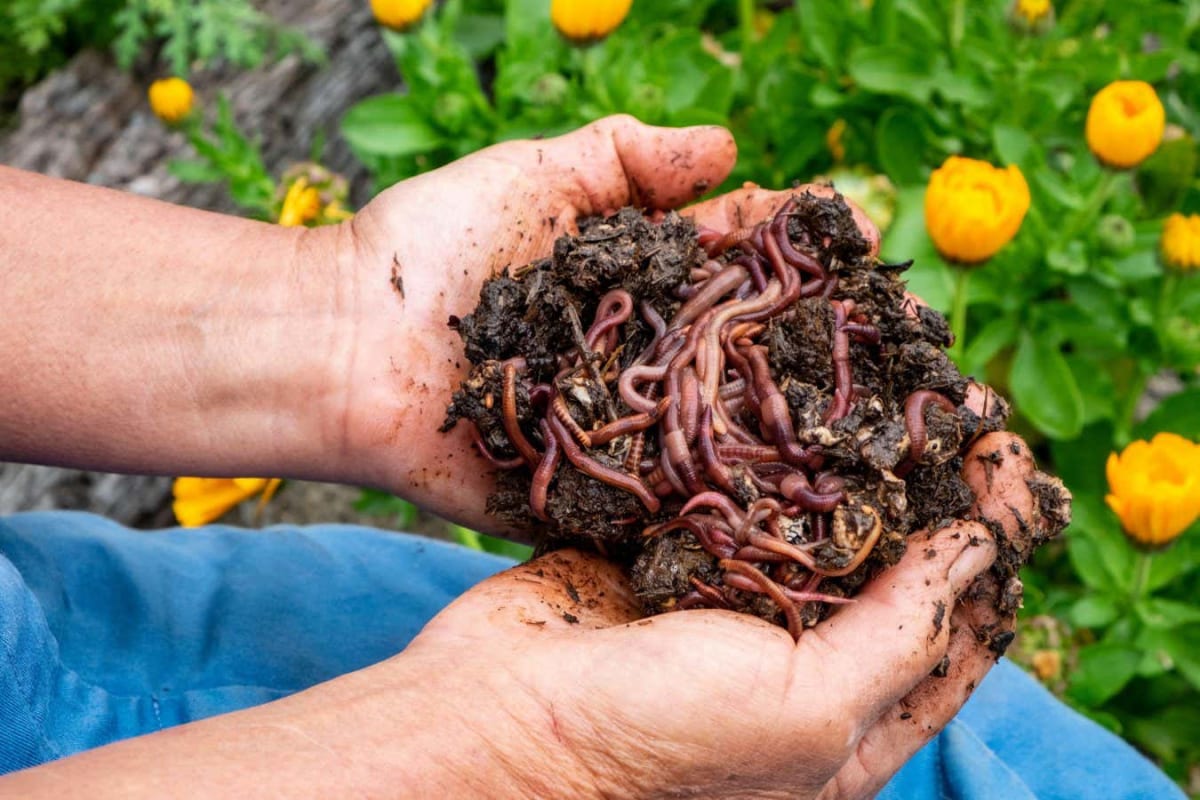
A Sydney-based writer is showing how worm farms work magic in the most unlikely places. She runs two successful operations: a massive system on a remote former farm property and a tiny setup on her city apartment porch. Both turn organic waste into rich compost using nature's simplest recyclers.
The beauty of worm composting is its flexibility. City dwellers can start small with a compact bin that fits on a balcony or patio. Homeowners with yards can scale up to handle all their household food scraps. Either way, the worms do the heavy lifting.
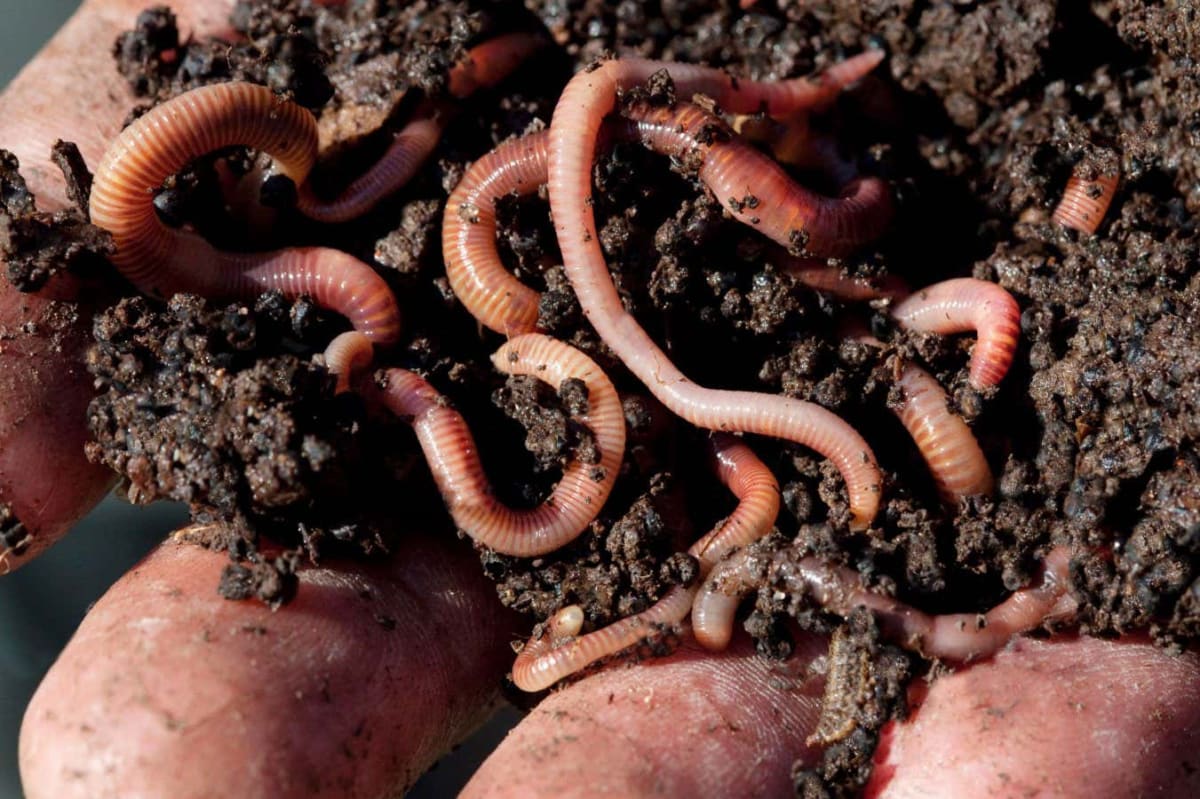
These aren't ordinary earthworms. Compost worms are eating machines that devour food scraps, paper, and other organic materials surprisingly fast. They break down waste that would otherwise sit in landfills releasing methane, a potent greenhouse gas.
The writer's city setup proves anyone can start composting. Her apartment worm farm requires minimal space and maintenance. No need for a yard or special equipment. Just worms, scraps, and a suitable container.
The Ripple Effect
Every worm farm, no matter how small, makes a real difference. Households that compost reduce their trash output by up to 30%. That means less garbage going to landfills and more nutrients returning to soil.
The environmental math adds up quickly. When thousands of people compost at home, cities save money on waste collection and landfill costs. Gardens and community spaces get free, chemical-free fertilizer. Plants grow healthier without synthetic chemicals.
Worm farms also reconnect people with natural cycles. Watching waste transform into rich, dark compost reminds us that nature wastes nothing. Everything has value when we work with natural systems instead of against them.
The setup process is straightforward enough for beginners. Worm farms need moisture, air flow, and regular feeding. The worms handle the rest, multiplying as their food supply grows.
Starting a worm farm means joining a quiet revolution happening on porches and in backyards worldwide. Each small system proves sustainable living fits into real life, whether you're in a tiny apartment or on sprawling land.
More Images

Based on reporting by New Scientist
This story was written by BrightWire based on verified news reports.
Spread the positivity!
Share this good news with someone who needs it