WPI Researchers Turn Old EV Batteries Into Better Ones
Scientists have cracked the code on making used electric vehicle batteries better than new. A $1 million Department of Energy project could slash recycling costs while strengthening America's battery supply chain.
Instead of treating dead electric vehicle batteries as waste, researchers at Worcester Polytechnic Institute are giving them an upgrade that makes them even better than their first life.
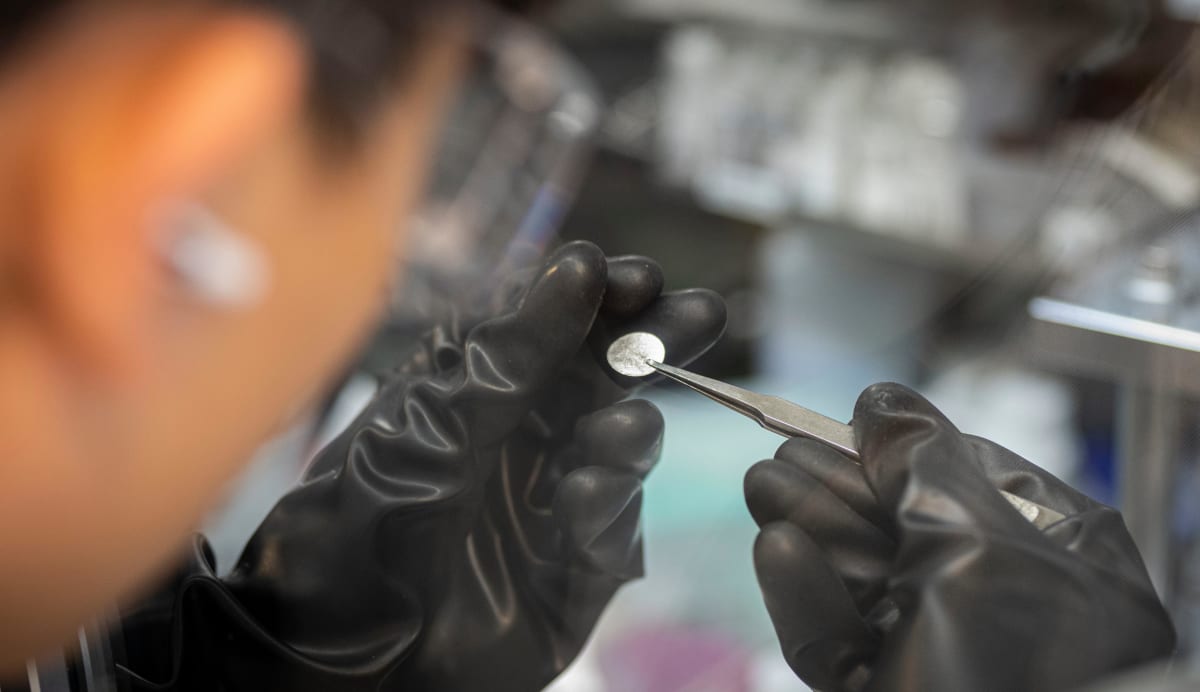
Professor Yan Wang and her team developed a one-step process that transforms worn-out battery materials into higher-performance components for next-generation electric vehicles. The breakthrough addresses a critical challenge: older EV batteries contain different materials than what today's electric vehicles need.
The Department of Energy awarded Wang's team $1 million to perfect their molten salt upcycling process. After batteries are discharged and separated, the method converts nickel-lean cathode materials into nickel-rich single-crystal cathodes like NMC622, a key component in modern lithium-ion batteries.
The process works with both pure and mixed battery waste, eliminating the need for time-consuming sorting. That simplicity translates directly into lower costs and less energy use compared to traditional recycling methods.
Wang's approach tackles a growing mismatch in the battery industry. As electric vehicle technology advances, the materials recovered from older batteries don't match what manufacturers need for newer, more powerful models.
The Ripple Effect
This innovation could reshape America's entire battery economy. Instead of mining new materials or importing them from overseas, manufacturers could source upgraded materials from recycled batteries right here in the U.S.
The timing couldn't be better. Global demand for electric vehicles continues accelerating, creating mountains of batteries that will eventually need processing. Wang's method turns that challenge into an opportunity.
The research builds on years of pioneering work at WPI, where Wang has positioned the university as a leader in battery sustainability. Her previous breakthroughs in direct recycling and upcycling have already advanced the field of circular manufacturing.
The potential extends beyond just environmental benefits. Strengthening domestic battery supply chains reduces dependence on foreign materials while creating new economic opportunities in recycling and manufacturing.
Wang describes the vision as a circular battery economy where nothing goes to waste. Materials flow from old batteries into new ones, each cycle potentially improving performance rather than degrading it.
The project represents more than just better recycling; it's about reimagining what's possible when we stop thinking of used batteries as trash and start seeing them as raw materials for something better.
Based on reporting by Google News - Electric Vehicle
This story was written by BrightWire based on verified news reports.
Spread the positivity!
Share this good news with someone who needs it