Wrigley Field Celebrates 112 Years of Baseball History
Chicago's beloved Wrigley Field opened its gates 112 years ago today, launching what would become one of baseball's most iconic venues. The ballpark has hosted generations of fans with its ivy-covered walls, hand-turned scoreboard, and unbroken streak of live organ music.
The crack of the bat first echoed through Chicago's Wrigley Field 112 years ago today, beginning a legacy that would make it one of baseball's most treasured landmarks.
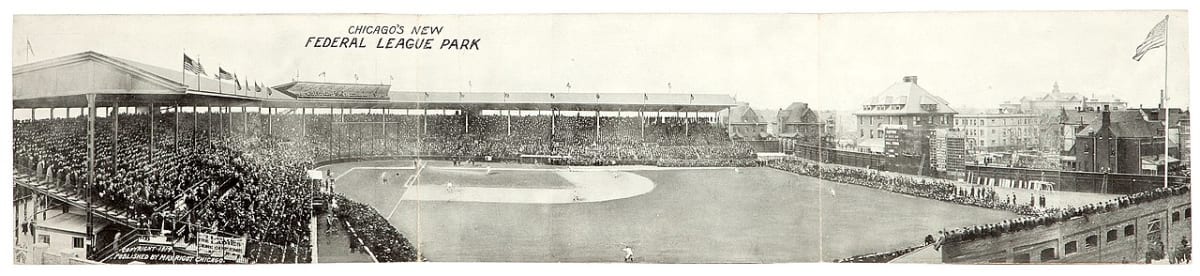
Originally called Weeghman Park when it opened in 1914, the stadium first hosted the Chicago Whales before becoming home to the Cubs in 1916. The ballpark quickly became famous for features that still draw crowds today: ivy-covered brick walls, a hand-operated scoreboard, and that iconic red marquee welcoming fans through the main entrance.
The stadium sits in a residential neighborhood with no parking lots, creating a uniquely urban baseball experience. Rooftop views behind the outfield became part of the charm, and Lake Michigan's unpredictable winds keep players guessing.
Wrigley Field made history again in 1941 by introducing the first live organ music to Major League Baseball. Cubs organist Gary Pressy later set an incredible record: 2,653 consecutive games played over 33 years without missing a single day of work.
One beloved tradition started during the 1937 bleacher reconstruction. After each game, stadium workers raise a flag bearing either a "W" for win or an "L" for loss, letting passersby know how the Cubs fared without checking their phones.
The Ripple Effect
The ballpark's influence extends far beyond baseball. It anchored its neighborhood for over a century, proving that sports venues can thrive without massive parking structures and suburban sprawl.
Wrigley was the last Major League park to install lights for night games, holding onto daytime baseball longer than anyone else. That stubborn commitment to tradition has kept the stadium feeling authentic in an era of corporate-named megastructures.
The venue's longevity shows what happens when communities value preservation over demolition. While newer stadiums come and go, Wrigley endures as a living museum where great-grandparents and great-grandchildren can share the same experience.
Today, the 112-year-old ballpark remains a working stadium, hosting games the same way it did when Babe Ruth called his shot and fans wore fedoras to day games. In a world that constantly tears down the old to build the new, Wrigley Field stands as proof that some things are worth keeping exactly as they are.
More Images


Based on reporting by Good News Network
This story was written by BrightWire based on verified news reports.
Spread the positivity!
Share this good news with someone who needs it