
Writer Ends Decades of Shame Over Undescended Testicle
Brad Snyder spent years hiding a childhood medical condition that affects up to 8% of newborns. By sharing his story publicly, he's helping break the silence around a common but rarely discussed health issue.
A writer is helping thousands of people feel less alone by opening up about a medical condition he spent decades keeping secret.
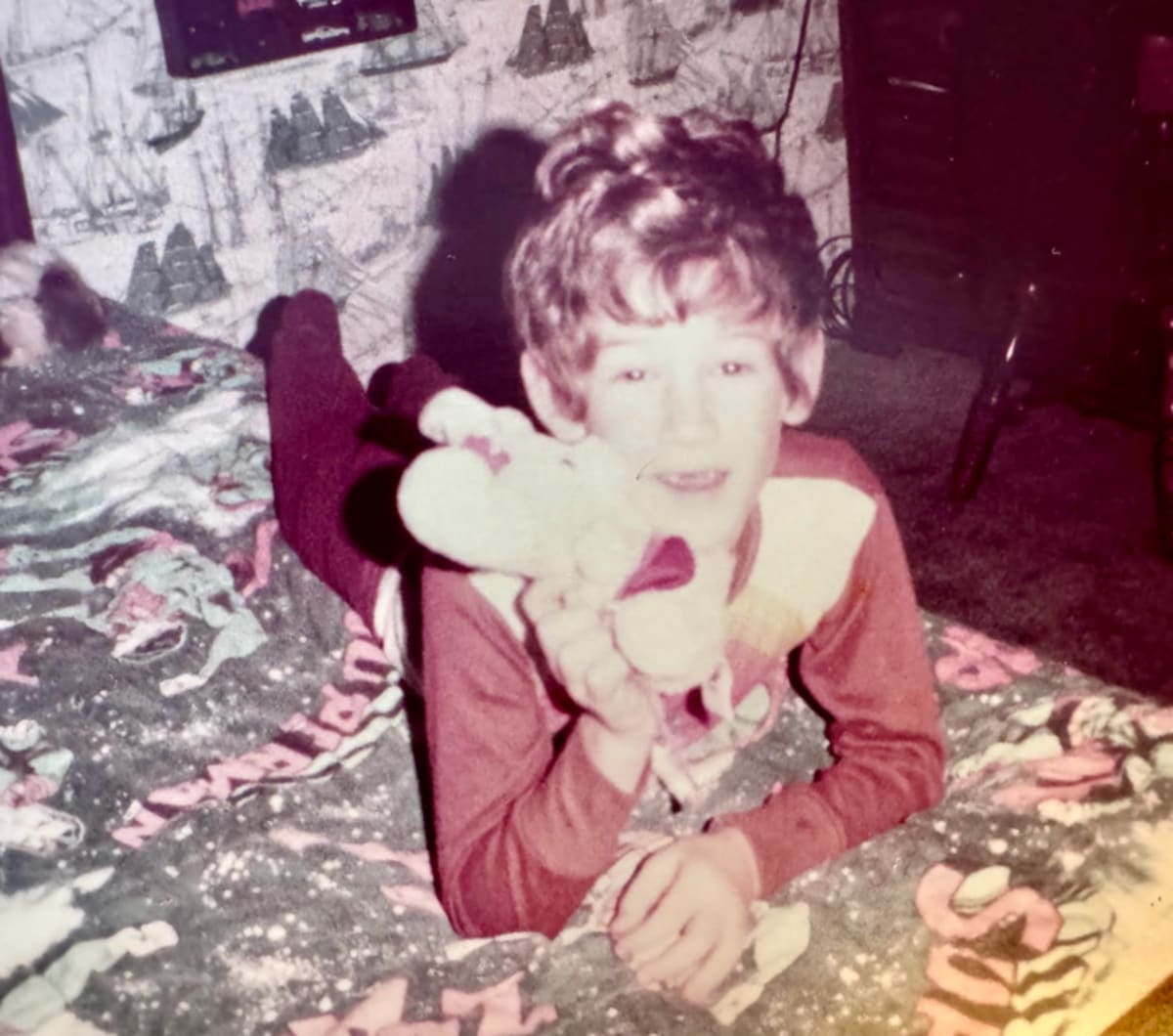
Brad Snyder was 7 years old when a doctor explained to his parents that his right testicle had moved into his groin, likely after a street hockey injury. The condition, called cryptorchidism when present at birth or "ascending testicle" when it occurs later, affects between 2% and 8% of children.
The attempts to manually correct the condition left young Brad terrified and humiliated. His doctor tried repeatedly to push the testicle back into place, but each time it would retreat back up "like a yo-yo recoiling." Brad began avoiding doctor visits altogether, hiding sore throats from his parents to escape the shame.
The condition carried real health risks. An undescended testicle increases the chance of testicular cancer and infertility, and creates a 10 times greater risk of testicular torsion, a painful emergency requiring surgery. Brad overheard these warnings and spent countless nights praying he'd be able to have children someday and that no one would ever discover his secret.
Throughout middle school, he developed coping mechanisms. He'd use his left hand to periodically push down his other testicle so he wouldn't become "The Boy With Two Missing Testicles." During health class lessons on testicular self-exams, the anxiety became so overwhelming he ran from the room to vomit.
By age 13, with his bar mitzvah approaching, Brad faced a choice: one final manual attempt or surgery called orchiopexy. The procedure has a high success rate and typically improves children's self-esteem by reducing future embarrassment.
Why This Inspires
Snyder's decision to share his experience publicly breaks a silence that has kept countless children and adults feeling isolated. Medical experts note that conditions like his are surprisingly common, yet shame prevents open conversation even when treatment is straightforward and effective.
By naming what he spent years hiding, Snyder is giving others permission to seek help without embarrassment. His story reminds us that the things we're most afraid to share are often the very things that connect us most deeply to others.
Sometimes the bravest thing we can do is stop hiding.
More Images



Based on reporting by Google News - Health
This story was written by BrightWire based on verified news reports.
Spread the positivity!
Share this good news with someone who needs it