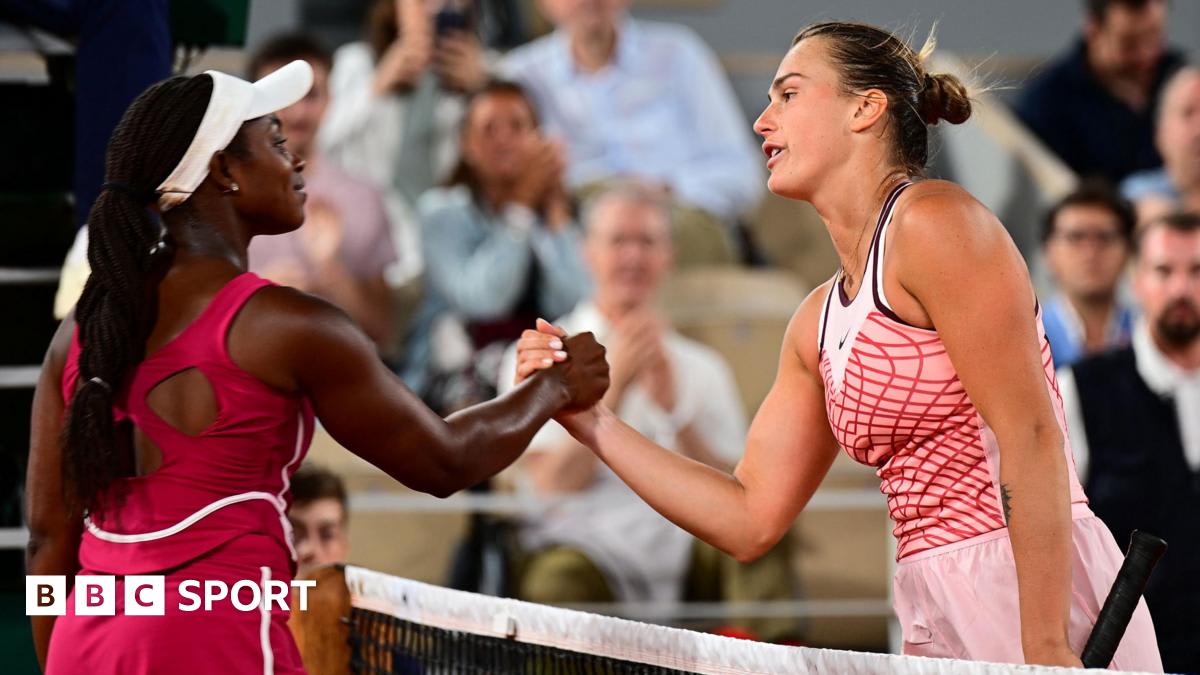
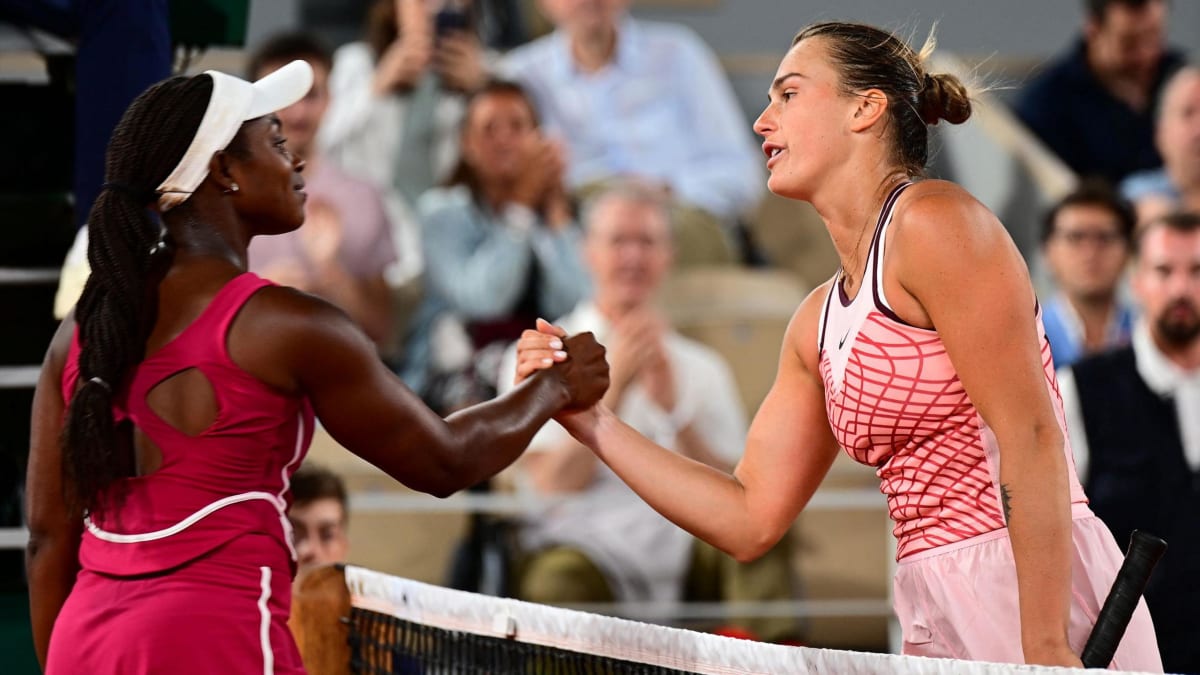
WTA Chief Pushes French Open for Women's Night Matches
After three years of men-only primetime slots at the French Open, the women's tennis tour is finally pushing back with a direct call for change. The new WTA chief met with tournament organizers this week to demand equal showcase opportunities for female players.
The French Open hasn't scheduled a single women's match in its coveted night session since 2023, but that drought might finally be ending.
WTA chief executive Valerie Camillo sat down with French Open tournament director Amelie Mauresmo this week to address a glaring disparity. All 32 primetime matches since 2023 have featured men only, even though blockbuster women's matchups have been available.
The numbers tell a stark story. Since night sessions started in 2021, just four of 60 primetime slots have gone to women's matches. Meanwhile, tickets for these sessions cost between £50 and £240.
Top players have been raising alarms for years. American star Jessica Pegula said she felt like she was "hitting her head against the wall" over the issue. Two-time Wimbledon finalist Ons Jabeur questioned whether decision makers "have daughters" who they'd want treated this way.
Four-time Grand Slam champion Naomi Osaka put it simply: she doesn't even associate the French Open with night matches anymore. That's a troubling admission for a tournament trying to showcase the sport's biggest stars.
Tournament organizers have defended their choices by arguing women's matches might end too quickly in straight sets, shortening the evening for ticket holders. But that logic has worn thin, especially when thrilling women's matches regularly deliver drama and excitement.
Why This Inspires
This conversation represents more than scheduling complaints. Camillo emphasized that women's tennis has delivered "some of the most exciting and dynamic competition in global sport" in recent years, and she's right.
The meeting between Camillo and Mauresmo was described as open and productive, suggesting real dialogue is finally happening. Past pressure from players, the WTA, and even broadcasters hasn't moved the needle, but direct leadership engagement might be different.
The upcoming match between Naomi Osaka and top-ranked Aryna Sabalenka would be a perfect test case. If that blockbuster doesn't earn primetime billing, it's hard to imagine what would.
2017 French Open champion Jelena Ostapenko, who has played in night sessions before, remains hopeful. "I wish women's tennis could be shown more in those spots," she told BBC Sport. "I like to play at night, especially when the stadiums are full."
Change often comes slowly in traditional sports institutions, but sustained pressure creates momentum. The fact that this conversation is happening at the highest levels suggests progress is possible.
More Images

Based on reporting by BBC Sport
This story was written by BrightWire based on verified news reports.
Spread the positivity!
Share this good news with someone who needs it