Wuhan Archaeologists Race Winter to Uncover 3,500-Year City
Every winter, archaeologists in Wuhan have just a few cold, dry months to excavate a 3,500-year-old city before seasonal rains flood their work. Despite racing against time and challenging conditions, they're piecing together clues about a lost Bronze Age civilization that rewrote Chinese history.
For a few precious months each winter, archaeologists in Wuhan work against the clock to uncover secrets from a city that thrived 3,500 years ago.
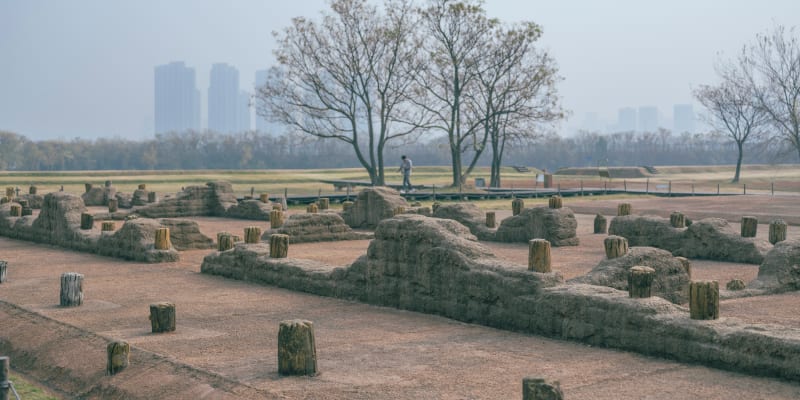
At Panlongcheng, teams armed with trowels and brushes race to excavate trenches, document fragile layers, and collect samples before spring rains arrive. Once the wet season begins, rising water levels make the work impossible, and large portions of the ancient Shang dynasty settlement disappear underwater until next winter.
The discovery of Panlongcheng in the 1950s changed everything historians thought they knew about ancient China. Found far from the Shang heartland near present-day Wuhan, it proved that this advanced Bronze Age civilization extended south of the Yangtze River, much farther than anyone imagined.
Over decades of excavation, archaeologists have uncovered bronze artifacts, jade treasures, city walls, palace complexes, and elite tombs. Two palace foundations sit just 30 centimeters below the surface, with one stretching nearly 40 meters wide and featuring the earliest known example of formal Chinese palace architecture.
But the same water that drew the Shang people here three millennia ago now limits what researchers can learn. Acidic, waterlogged soil destroys organic materials, and many areas of the ancient city rest permanently beneath lakes that cannot be drained.
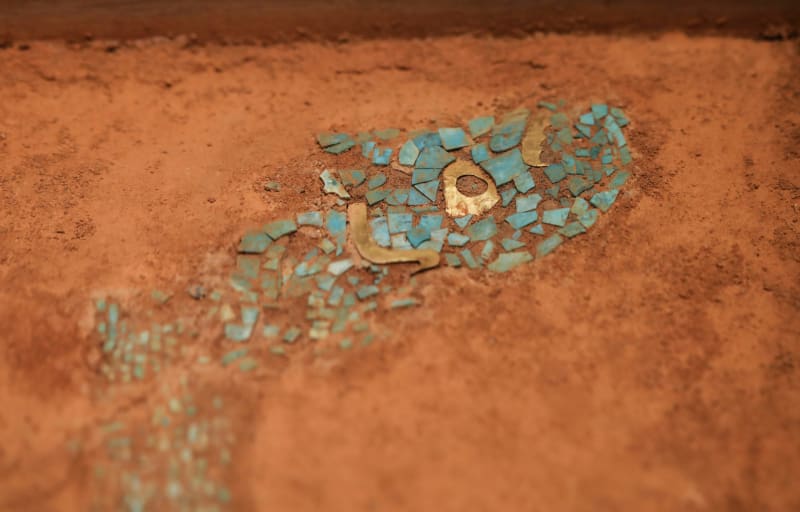
Sun Zhuo, a 37-year-old associate professor at Wuhan University, understands the pressure. He watches graduate students carefully scrape away soil in neat excavation squares, knowing their window of opportunity is closing. "During the rainy season, low-lying areas become submerged," he explains, including sites that once yielded quantities of bronze artifacts and turquoise fragments.
The Bright Side
Despite the challenges, each winter season brings new discoveries that help answer fundamental questions about this mysterious city. Was Panlongcheng a controlled outpost of Shang power, an autonomous regional center, or part of a wider Bronze Age network that included cultures like Sanxingdui?
The site now sits within a 1,200-acre public park where residents walk, exercise, and watch archaeologists work. It's part of a national effort to transform major archaeological sites into everyday civic spaces, bringing ancient history into modern life.
Every artifact recovered, every layer documented, and every sample analyzed adds another piece to the puzzle of how people lived, worked, and built a complex urban society shaped by water.
The race against the seasons continues, but with each winter, the ancient city of Panlongcheng reveals a little more of its remarkable story.
More Images


Based on reporting by Sixth Tone
This story was written by BrightWire based on verified news reports.
Spread the positivity! 🌟
Share this good news with someone who needs it