Wyoming Ranchers Heal 175,000 Acres After Massive Wildfire
A year after wildfire scorched 175,000 acres near Buffalo, Wyoming, ranchers and conservation partners are bringing the land back to life. Native grasses are returning, proving that patience and teamwork can restore even the most damaged landscapes.
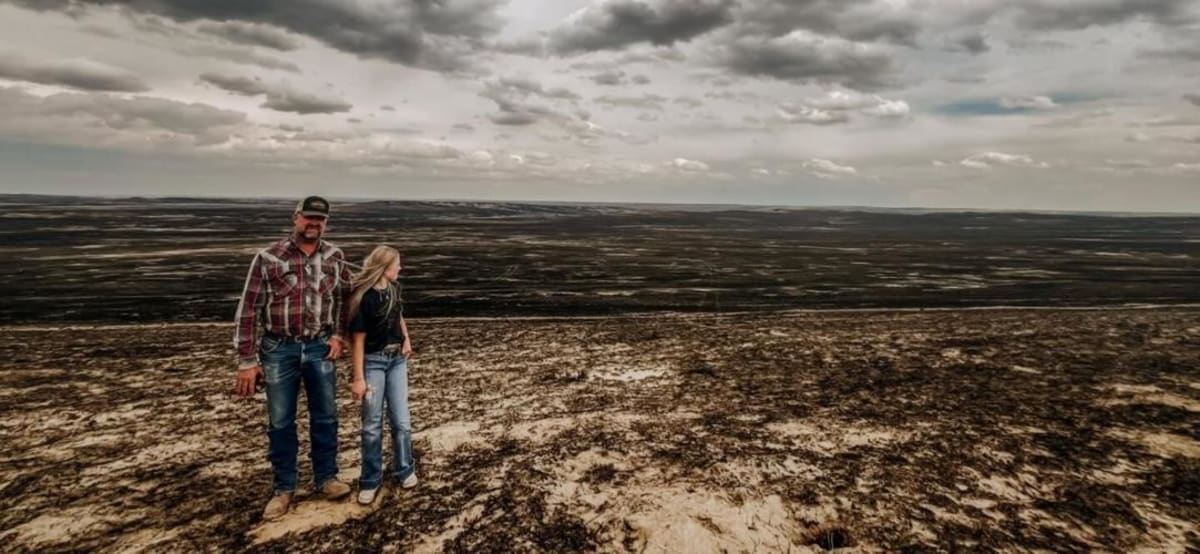
When flames raced toward Dave Belus's ranch last August with his two grandkids in the truck beside him, he knew the House Draw Fire would change everything. The blaze tore through 175,000 acres of Wyoming rangeland, leaving behind blackened earth where sagebrush and native grasses once thrived.
For ranchers like Belus and Andy Stevens, who manages the William R. Long Family Trust Ranch, the fire tested decades of land management experience. Stevens had fought wildfires before in Nevada, but nothing prepared him for the intensity and speed of this burn.
The landscape looked lifeless after the flames passed. Sagebrush that provided crucial winter forage and wildlife habitat was gone, and invasive cheatgrass threatened to take over before native species could return.
Then something remarkable happened. Ranchers, the Natural Resources Conservation Service, and local conservationists joined forces to give the land what it needed most: time and strategic support.
Many producers signed up for one or two year grazing deferments, voluntarily resting their burned pastures during the growing season. This allowed perennial grasses to rebuild their root systems, produce seeds, and hold fragile soils in place.
Some areas received aerial seeding while others recovered naturally. Conservation teams installed water flow structures in select locations to prevent erosion and help moisture sink into healing soils.
The Bright Side
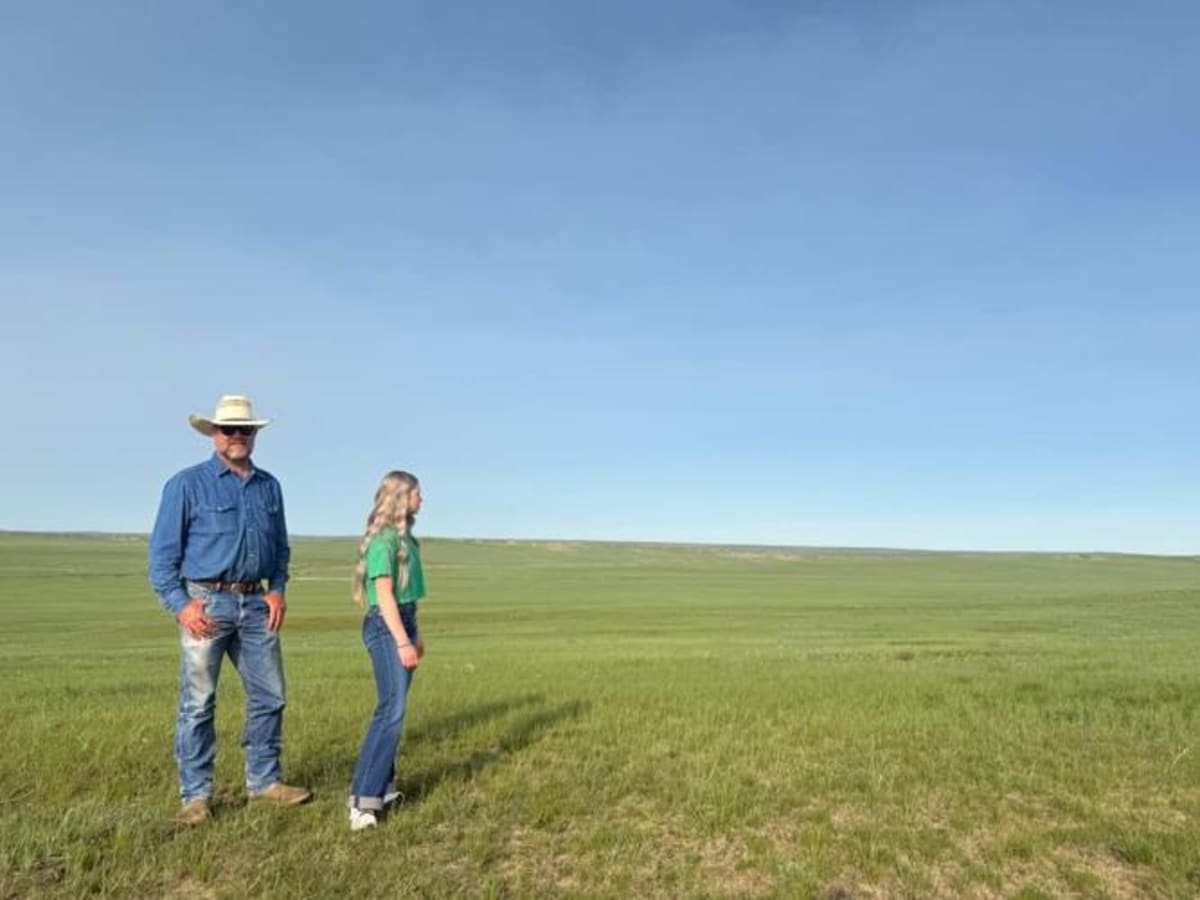
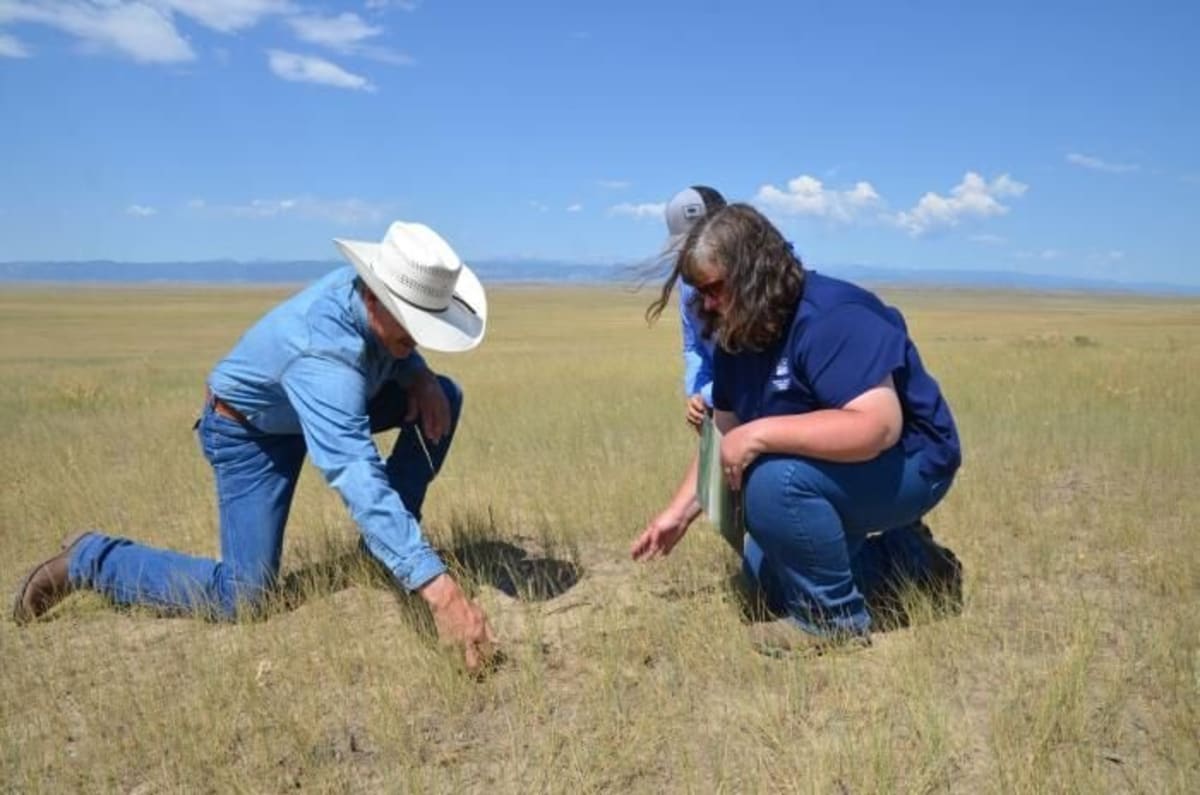
Recent monitoring visits reveal native perennial grasses pushing through the char across both seeded and natural recovery sites. Young sagebrush seedlings are appearing in scattered areas, marking the beginning of a recovery process that will take decades to complete fully.
Photos comparing the landscape from 2023 to today show dramatic transformation. What was once completely blackened ground now shows patches of green spreading across the hillsides.
For Buffalo District Conservationist Allison McKenzie, watching her community respond made the professional work deeply personal. "Watching these fires rip through our community was devastating; these are my friends and neighbors," she said, grateful that NRCS could show up when it mattered most.
The recovery isn't just about grass returning or erosion slowing. It's about ranching families choosing to invest in long term land health even when short term profits suffered, and conservation partners meeting urgency with resources and expertise.
As the first deferment periods end, ranchers are seeing proof that strategic rest works. The rangeland is stabilizing, wildlife habitat is slowly rebuilding, and the collaborative spirit that emerged from crisis continues to guide recovery decisions.
Wyoming's sagebrush steppe will take generations to fully restore, but the community tending it is proving that destruction doesn't have to be permanent.
More Images
Based on reporting by Google News - Recovery Story
This story was written by BrightWire based on verified news reports.
Spread the positivity!
Share this good news with someone who needs it