Wyoming's $30M Wildlife Crossing Finishes Year Early
Wyoming's largest wildlife crossing is wrapping up a year ahead of schedule, ready to cut deer and pronghorn collisions by up to 90%. The $30 million project could save lives and millions in accident costs.
A massive wildlife crossing in Wyoming is racing toward completion a year early, bringing hope to thousands of drivers and animals who share a dangerous stretch of highway.
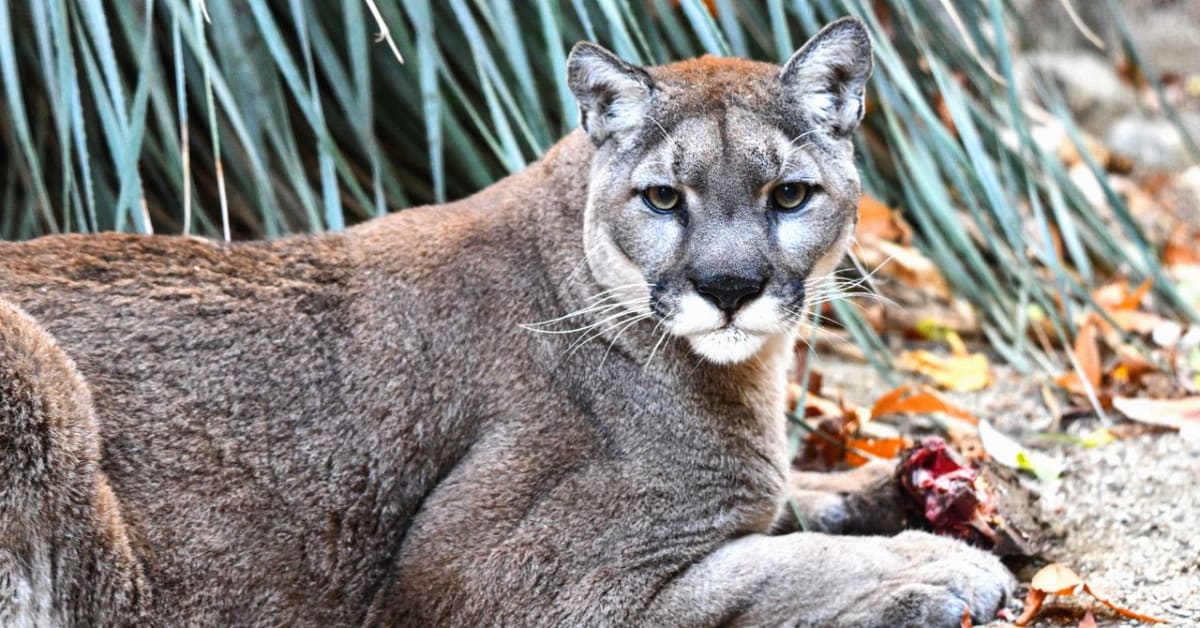
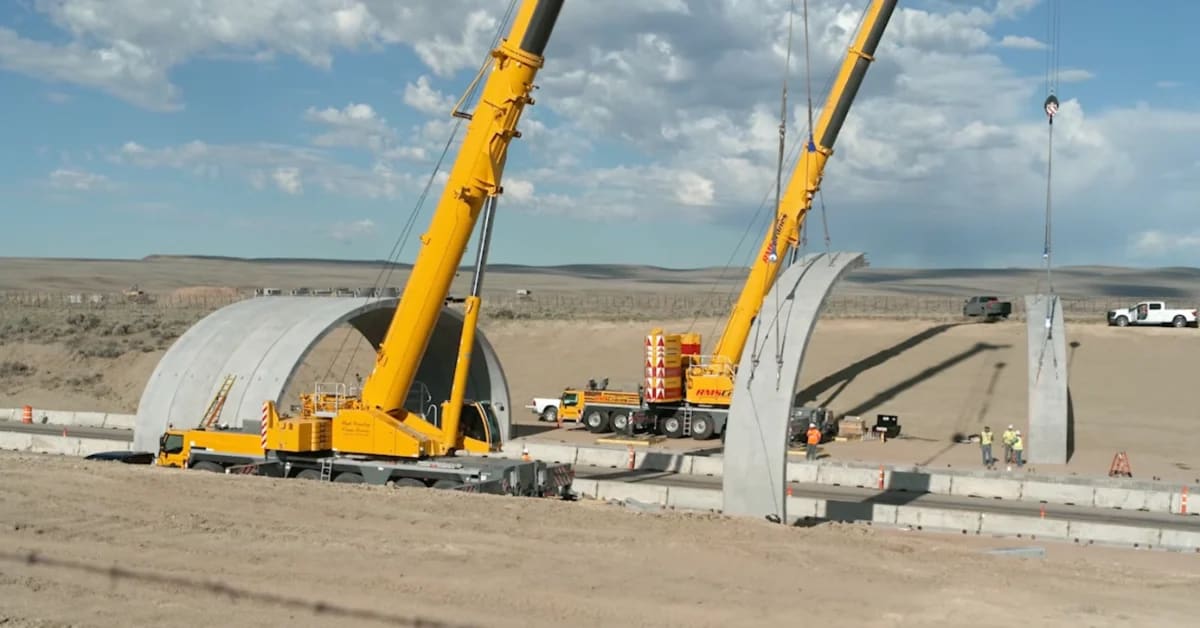
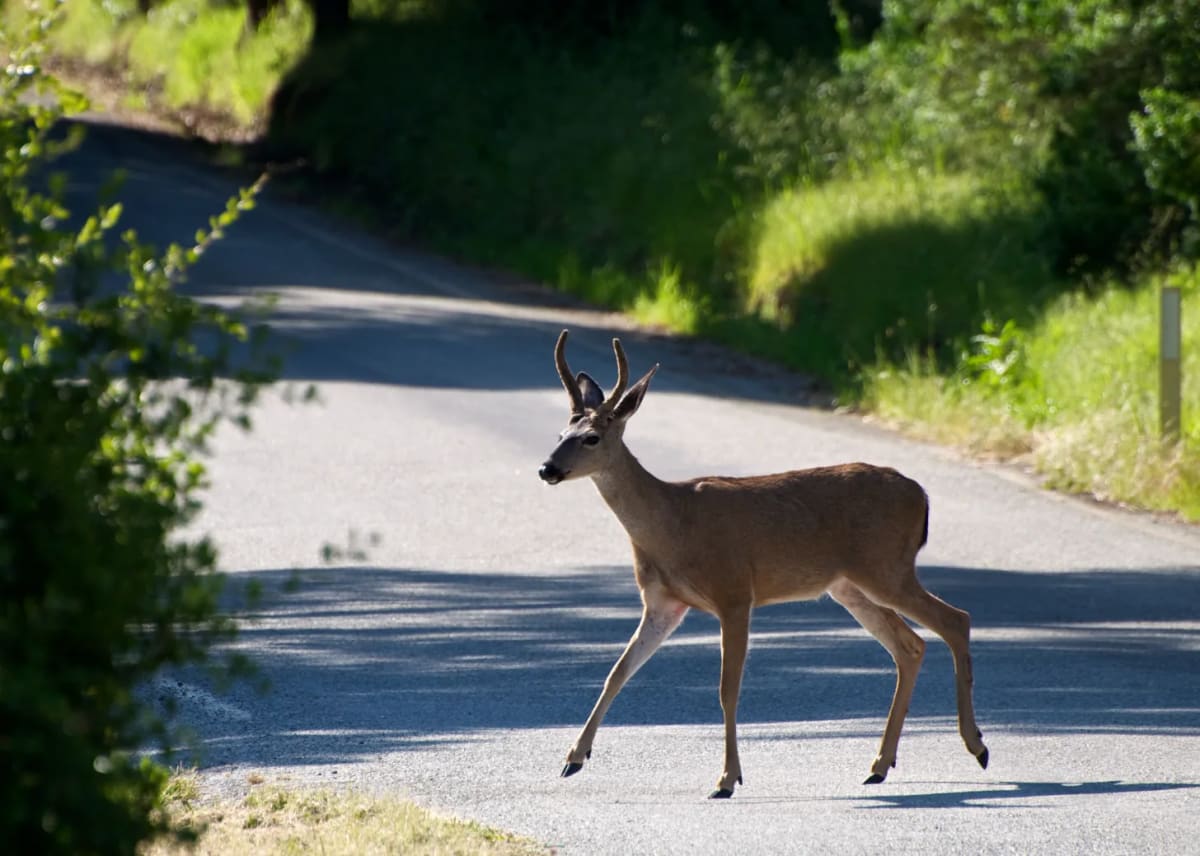
The Kemmerer Wildlife Crossing along U.S. Highway 189 was supposed to finish in late 2028. Now crews expect to wrap up by October 2027, turning one of Wyoming's deadliest roads into a safe passage for mule deer, pronghorn, and other wildlife.
The numbers tell a sobering story. Wyoming sees about 6,000 vehicle collisions with big game each year. Those crashes cost $20 to $23 million in wildlife losses and another $24 to $29 million in personal injuries.
The new crossing aims to eliminate 80 to 90 percent of those accidents along this section of highway. It includes 63 miles of eight-foot-tall deer fencing, seven underpasses, one overpass, and a mile of reconstructed road.
Construction kicked off in July 2026 with $24.3 million from a federal Wildlife Crossing Pilot Program grant. The Wyoming Department of Transportation added $4.2 million in formula funds. State commissions, the Wyoming Wildlife and Natural Resource Trust, and nonprofit partners chipped in the remaining $8.8 million to fully fund the $30 million project.
The crossing stretches 30 miles, making it more than twice the size of Trapper's Point, currently Wyoming's largest wildlife crossing at 12 miles. Animals will be able to move safely between seasonal habitats without risking their lives or putting drivers in danger.
The overpass should be done later this year. Underpasses and fencing work will continue through spring 2027.
The Ripple Effect
Wyoming has become a testing ground for wildlife crossings that work. The state's earlier projects proved that proper fencing combined with safe crossing points drops animal deaths to nearly zero.
That success inspired similar projects across the West. Montana recently launched a new license plate design expected to raise $100,000 for its own wildlife crossings. Other states are watching Wyoming's results and planning their own protection systems.
The Kemmerer project expands on existing crossings along U.S. 189, including Dry Piney and Trapper's Point. Each new structure adds to a growing network that lets wildlife roam freely while keeping roads safer for everyone.
Retired Game and Fish official Mark Zornes summed it up simply: "If we build these kinds of fences and provide a way for animals to pass over or under the highway, mortality is reduced to almost nothing."
Thousands of animals and drivers will share safer roads starting next fall.
More Images

Based on reporting by Good Good Good
This story was written by BrightWire based on verified news reports.
Spread the positivity!
Share this good news with someone who needs it