Yakama Elder Wins Superfund Status for Poisoned River Site
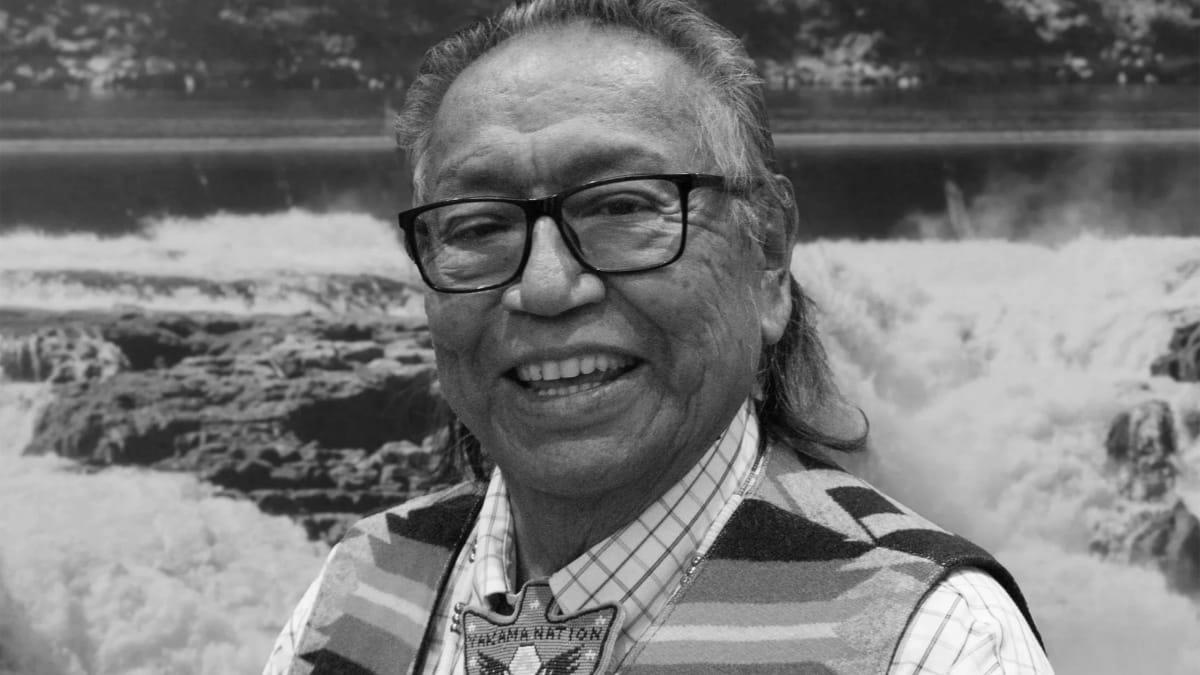
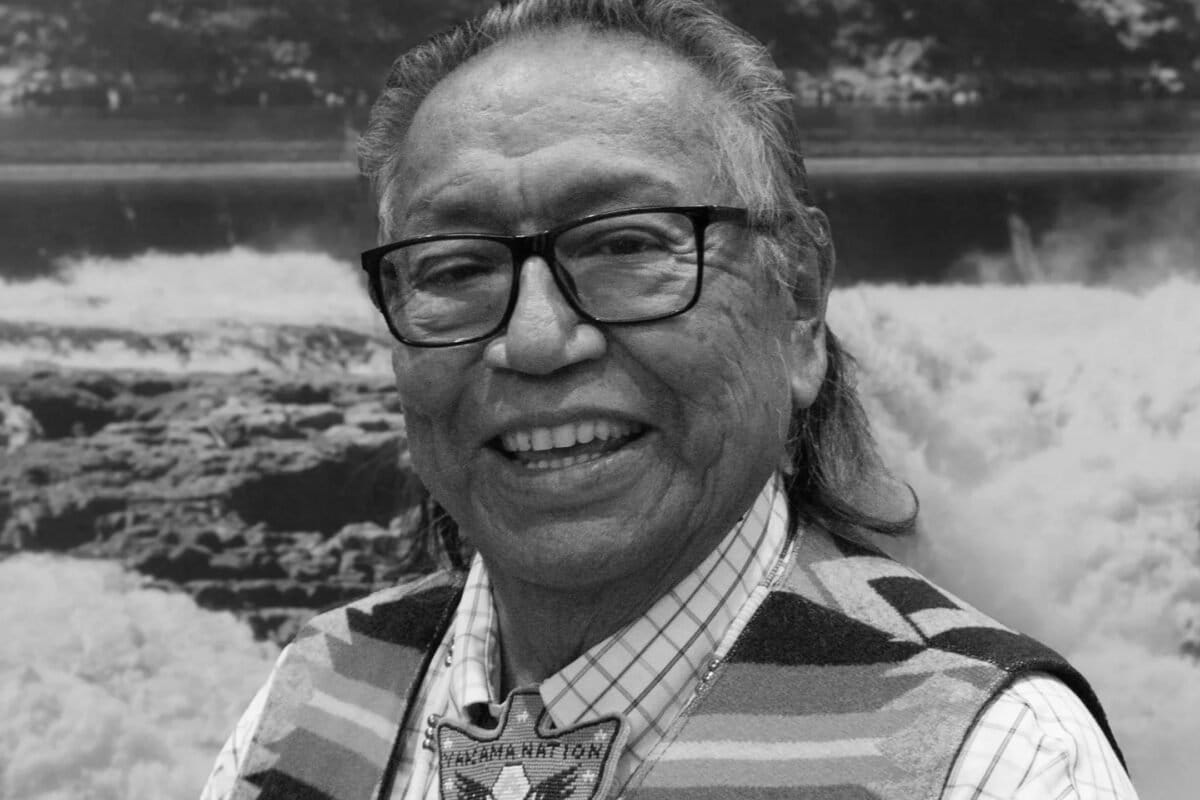
Davis "Yellowash" Washines spent decades fighting to clean toxic pollution from sacred Yakama fishing waters on the Columbia River. His persistence helped designate Bradford Island as a federal Superfund site in 2022, protecting future generations from contaminated fish.
For nearly 50 years, Davis "Yellowash" Washines fought for something most people take for granted: fish safe enough to eat from waters your ancestors fished for thousands of years.
The Yakama elder didn't see Bradford Island near Bonneville Dam as just another cleanup project. He saw it as a crime scene where toxic sediments poisoned the Columbia River, the salmon that depended on it, and the people who depended on them both.
Washines, who died in May at 74, brought an unusual toolkit to the fight. As former Yakama Tribal Police chief and Columbia River Inter-Tribal Fish Commission police chief, he understood evidence, harm, and accountability in ways that made officials listen.
He spoke calmly, often with a smile, but his message was firm. The 1855 treaty that protected Yakama fishing rights also meant the right to fish without poison.
The Columbia River, known to his people as Nch'i-Wána, wasn't just a resource. Salmon were among the First Foods, served first at ceremonial meals in recognition of their sacrifice to sustain the Yakama people.
When gang violence troubled tribal lands in the 1990s, Washines looked beyond law enforcement to cultural disconnection. He worked in schools as a counselor and language instructor, helping young people reconnect with fishing, hunting, and traditions that gave them solid ground.
The Ripple Effect
The 2022 designation of Bradford Island as a federal Superfund site marked a victory decades in the making. But Washines never treated it as the finish line.
His work extended far beyond one polluted site. He served on the Yakama Tribal Council, chaired the Willamette Falls Trust, sat on museum and university boards, and helped restore the original treaty spelling of "Yakama" to his nation's name.
He conducted traditional ceremonies across the region, drawing on deep knowledge of language and oral history. At local school games, community members knew his voice cheering for student athletes.
Washines carried the Oglala Lakota name Yello-Wash-Tay, given by a Lakota elder at Pine Ridge in 1995. He was a descendant of the Klickitat Tribe, one of 14 original signers of the 1855 treaty.
His approach to advocacy combined law enforcement precision with ceremonial wisdom. Colleagues remembered that he commanded rooms without force, speaking with an authority that came from serving something larger than any title.
"We don't own this," he once said about the river and salmon. "It belongs to our children, our grandchildren, and we're just taking care of it for them."
That sense of responsibility guided work that stretched across police departments, tribal councils, classrooms, and courtrooms. The clean water and safe fish he fought for will nourish generations of Yakama people who never knew his name but will benefit from his persistence.
More Images
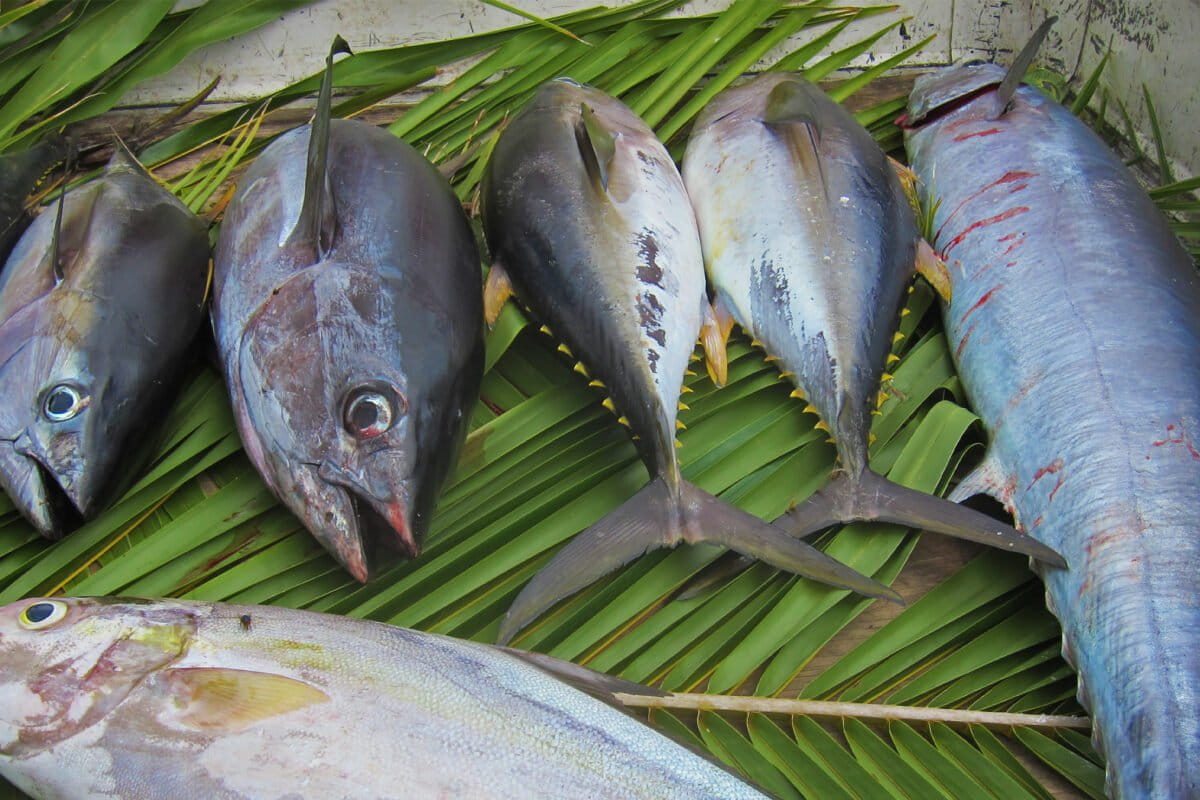
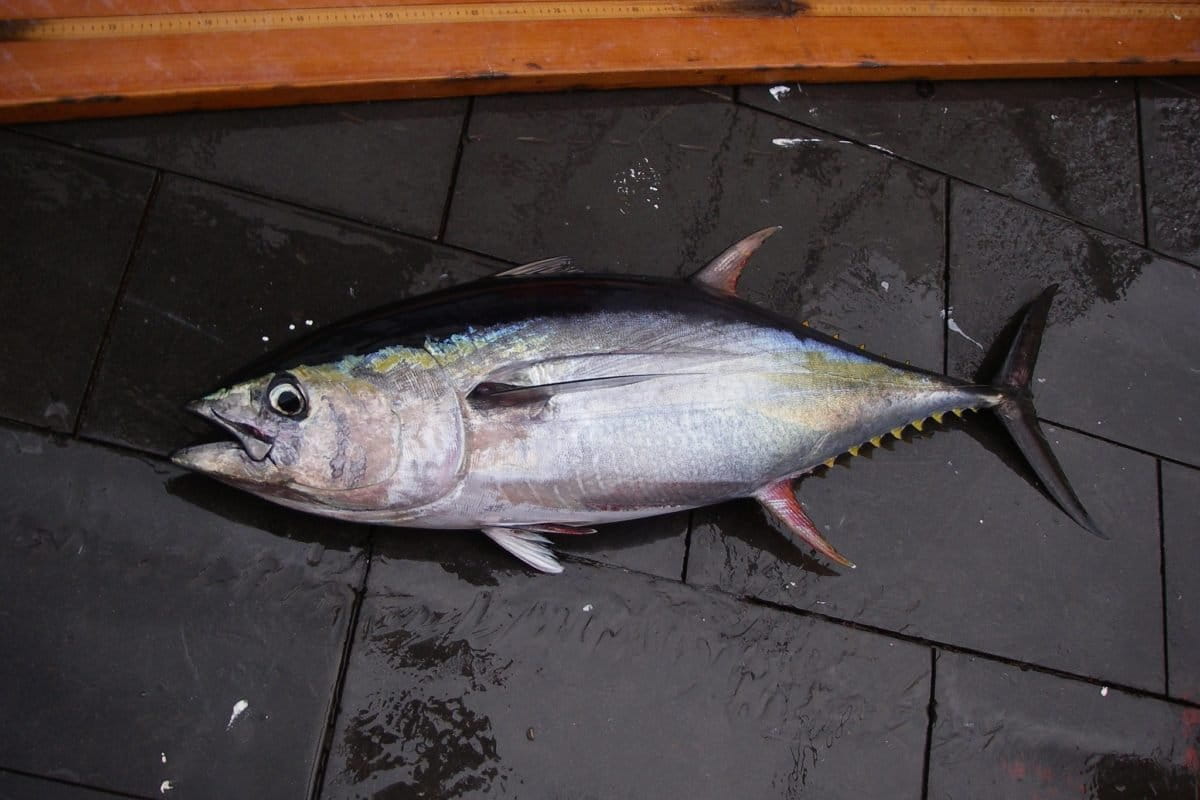
Based on reporting by Mongabay
This story was written by BrightWire based on verified news reports.
Spread the positivity!
Share this good news with someone who needs it
.JPG)