Yale Finds COVID-19 Losing Its Grip on Animals Across Northeast U.S.
In heartening news for pet owners and wildlife enthusiasts, Yale researchers have discovered that SARS-CoV-2 is declining in animals across the northeastern United States. The study of 889 animals found no current infections, suggesting the virus is becoming increasingly human-specific and reducing the risk of dangerous variants emerging from animal populations.
Scientists at Yale University are sharing encouraging findings that suggest we're turning a corner in the COVID-19 pandemic's impact on our animal companions and wildlife. After years of concern about the virus spreading through animal populations, new research shows that SARS-CoV-2 appears to be losing its ability to infect non-human species.
During the early pandemic years, the virus made headlines for jumping into various animal populations, from beloved pets like cats and dogs to wild species including white-tailed deer and mink. This raised worries that the virus could evolve differently in animals and potentially create more dangerous variants that might spill back into human populations. However, the latest research brings a sigh of relief.
Led by Professor Caroline Zeiss from Yale School of Medicine, the research team conducted an extensive surveillance study examining 889 animals across the northeastern United States. The diverse group included household pets, farm animals, and wild species like woodchucks and ferrets. Through careful analysis of samples collected in partnership with the Connecticut Veterinary Medical Diagnostic Laboratory, the Connecticut Agricultural Experiment Station, and Yale University, researchers found something remarkable: while they detected several types of animal coronaviruses, not a single case of SARS-CoV-2 appeared in any of the animals tested.
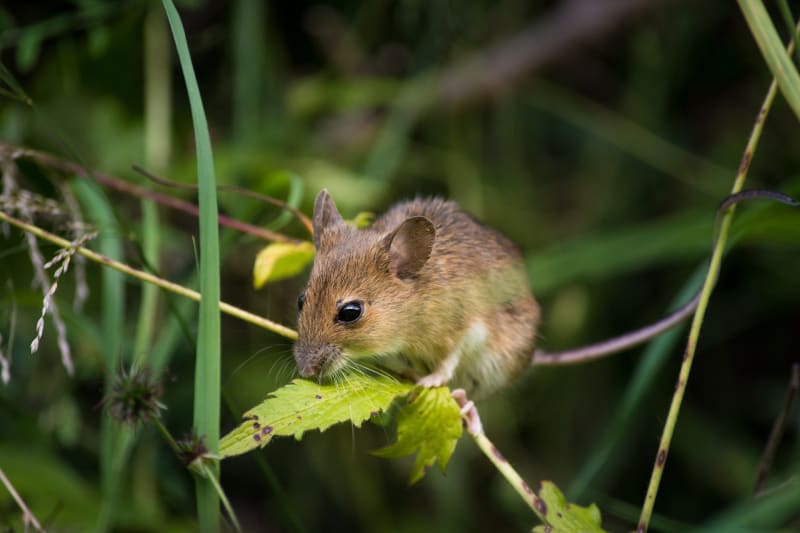
The scientists went further, conducting controlled laboratory studies with white-footed mice, the most common wild rodents in the region. These experiments revealed something fascinating about how the virus has evolved. While the original strain of COVID-19 could spread among the mice, the more recent omicron variant showed significantly reduced ability to transmit between animals. Even more encouraging, neither version could jump to other species like hamsters, despite direct exposure.
The Bright Side: What makes this discovery particularly uplifting is what it means for the future. As SARS-CoV-2 continues to evolve and adapt to humans as its preferred host, it appears to be simultaneously losing its grip on other species. This natural process dramatically reduces the likelihood of new animal-evolved variants emerging and crossing back into human populations.
For the millions of pet owners who worried about their furry family members during the pandemic, this research offers genuine comfort. Professor Zeiss emphasizes that the findings are especially relevant for people living in close contact with animals, suggesting that our pets face decreasing risk as the virus continues its trajectory.
The research team stresses that ongoing monitoring remains important, particularly for viruses capable of crossing species boundaries. However, this surveillance itself represents a positive development, giving scientists an early warning system to protect both human and animal health. The collaborative effort between multiple institutions demonstrates how scientific cooperation can help us understand and respond to emerging health challenges.
Published in the peer-reviewed journal Scientific Reports, this study represents more than just good news about COVID-19. It showcases the resilience of nature and how viral evolution doesn't always work against us. Sometimes, as viruses become more specialized, they naturally reduce their threat to other species, creating a safer world for all creatures we share it with.
More Images


Based on reporting by Google News - Researchers Find
This story was written by BrightWire based on verified news reports.
Spread the positivity! 🌟
Share this good news with someone who needs it
More Good News


DAILY MORALE
What did the thermometer say to the graduated cylinder?
EXPLORE INTEL
DAILY INSPIRATION
Hope is the thing with feathers that perches in the soul and sings the tune without the words and never stops at all.
Emily Dickinson