Yale Study Reveals Promising News: COVID-19 Losing Grip on Animal Kingdom
In heartening news for both pet owners and public health, Yale researchers have discovered that SARS-CoV-2 is declining in animals across the northeastern United States. The study suggests that as the virus evolves in humans, it's actually losing its ability to infect and spread among our furry friends and wildlife.
Scientists at Yale University are sharing encouraging news that should bring relief to pet owners and health officials alike. After years of concern about COVID-19 spreading through animal populations, new research shows the virus is actually weakening its hold on the animal kingdom.
During the early years of the pandemic, SARS-CoV-2 was detected in an increasingly diverse range of animals, from household pets like dogs and cats to wild species including white-tailed deer and mink. This raised understandable worries that the virus could evolve separately in animal populations and potentially create dangerous new variants that might jump back to humans. But the latest findings paint a much more optimistic picture.
Professor Caroline Zeiss from Yale School of Medicine led a comprehensive surveillance study examining 889 animals across the northeastern United States. Her team collaborated with the Connecticut Veterinary Medical Diagnostic Laboratory, the Connecticut Agricultural Experiment Station, and Yale University to collect and analyze samples from cats, dogs, ferrets, woodchucks, cattle, and numerous other species.
The results were remarkably positive. While the researchers detected several types of animal coronaviruses in seven different species, they found no traces of SARS-CoV-2. This represents a significant shift from earlier in the pandemic when the virus was regularly detected in animal populations.
The Bright Side
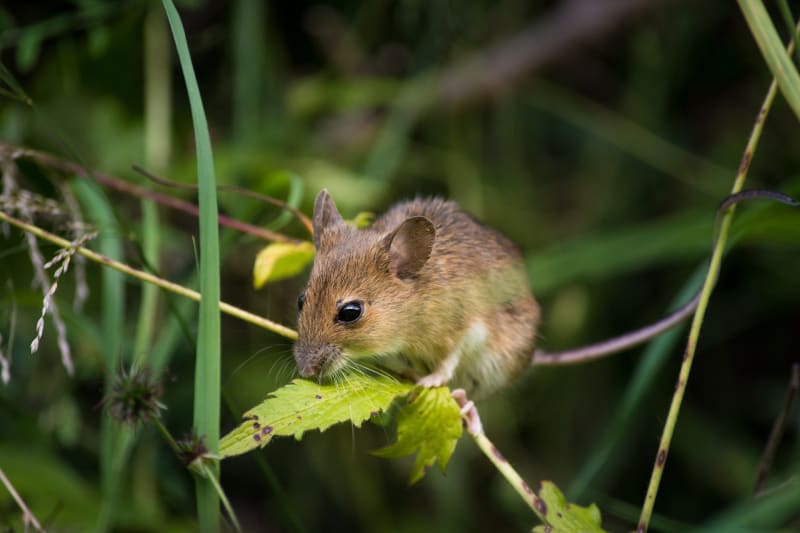
What makes this discovery particularly encouraging is what it reveals about how viruses evolve. The research team conducted additional laboratory experiments with white-footed mice, the most common wild rodents in the region. They found that while these mice could be infected with both the original strain and the newer omicron variant, the omicron version was far less transmissible among the mice. Even more promising, neither variant could successfully jump from mice to hamsters, suggesting that cross-species transmission is becoming increasingly difficult for newer variants.
"This is good news as this reduces the chance of spillback of newly evolved animal variants into humans," Zeiss explained. The findings suggest that as SARS-CoV-2 continues adapting to humans as its preferred host, it's simultaneously losing its ability to thrive in other species.
For the millions of people who share their homes with beloved pets, this research offers genuine peace of mind. The close contact between humans and their animal companions had been a source of worry, but these results indicate that risk is diminishing as the virus evolves.
Zeiss emphasized that ongoing monitoring remains important, particularly for viruses capable of infecting multiple species. However, she noted that continued surveillance of wildlife and animals living near humans provides valuable opportunities to spot emerging health threats early, ultimately protecting both animal and human health.
The study, published in the peer-reviewed journal Scientific Reports, represents a collaborative triumph of scientific monitoring and careful analysis. It reminds us that as we adapt to living with COVID-19, nature is adapting too, and sometimes in ways that work in our favor.
More Images


Based on reporting by Medical Xpress
This story was written by BrightWire based on verified news reports.
Spread the positivity! 🌟
Share this good news with someone who needs it
More Good News
 Health & Wellness
Revolutionary Vaccine Technology Promises Better Protection Against Respiratory Viruses
Health & WellnessYale Finds COVID-19 Losing Its Grip on Animals Across Northeast U.S.
 Health & Wellness
Red Hair's Secret Superpower: How Orange Pigments Protect Our Cells
DAILY MORALE
What did the thermometer say to the graduated cylinder?
EXPLORE INTEL
DAILY INSPIRATION
Hope is the thing with feathers that perches in the soul and sings the tune without the words and never stops at all.
Emily Dickinson