Yale Finds Epilepsy Drug Repairs Osteoarthritis Cartilage
Scientists at Yale discovered that an existing epilepsy medication can both relieve joint pain and reverse cartilage damage in osteoarthritis patients. Combined with a special gel injection, the treatment could help millions avoid knee replacements.
For the 32 million Americans living with osteoarthritis, persistent joint pain isn't just uncomfortable. It's life-limiting, making everyday activities like walking or climbing stairs feel impossible.
Yale researchers just found hope in an unexpected place. They discovered that lacosamide, a medication already approved for treating epilepsy, can do something no current osteoarthritis treatment can: relieve pain while actually repairing damaged cartilage.
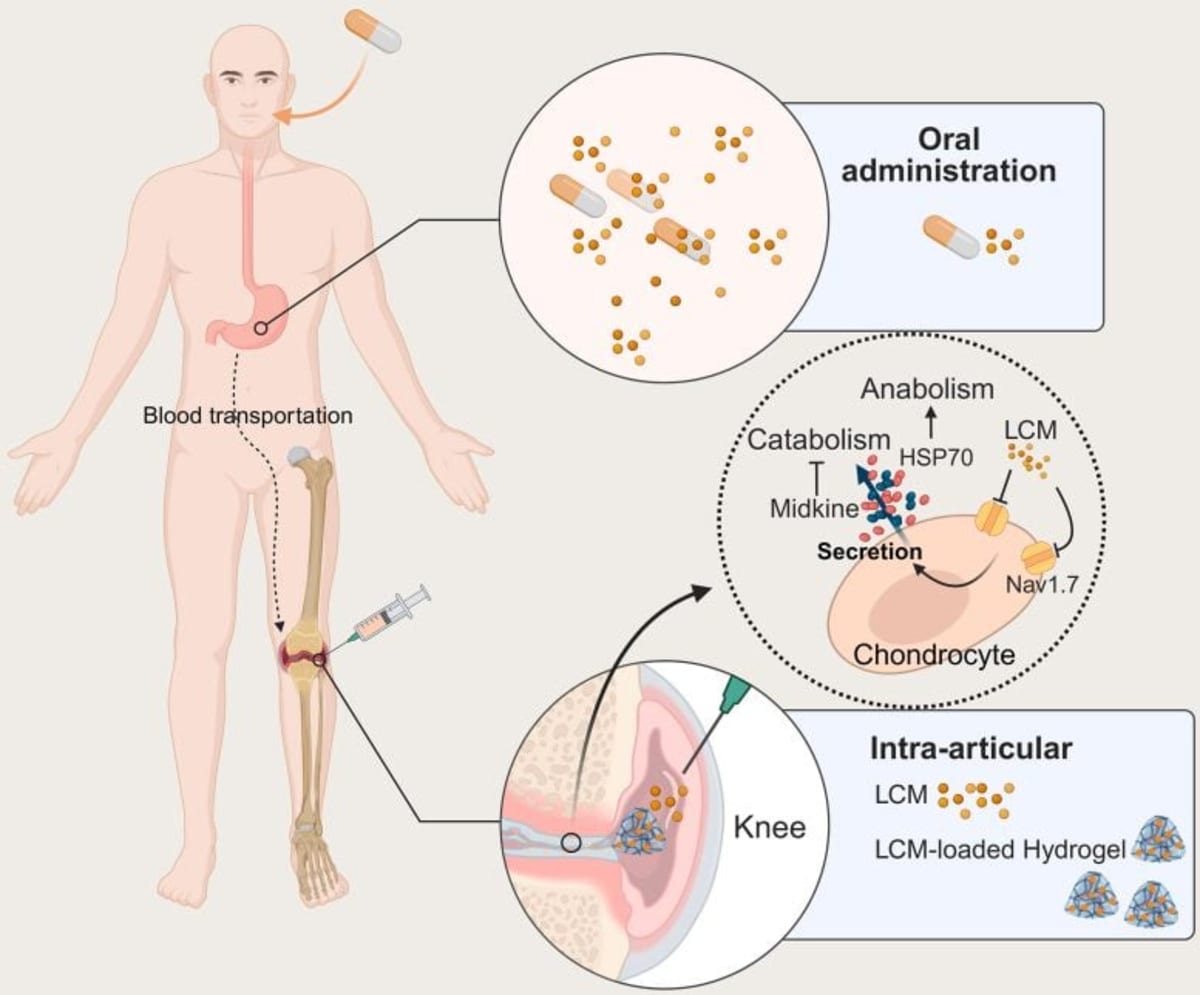
The breakthrough centers on a protein called Nav1.7. Scientists thought it only existed in pain-transmitting nerves, but Dr. Chuan-Ju Liu's team found it's also active in chondrocytes, the cells that maintain healthy cartilage.
In healthy joints, Nav1.7 stays relatively quiet. But osteoarthritis flips a switch, making the protein overactive and pushing cartilage cells to destroy the very tissue they're meant to protect.
"When Nav1.7 becomes dysregulated, it contributes to both joint degeneration and pain," says Liu, professor of Orthopaedics and Rehabilitation at Yale. "By blocking this single protein, we can potentially quiet the pain nerves and tell the cartilage cells to start repairing."
Rather than developing a new drug from scratch, the team tested existing sodium channel inhibitors. Lacosamide emerged as the clear winner, producing strong effects at remarkably low doses with fewer side effects than older medications.
The research, published in Bioactive Materials, showed the drug works best within a precise dosing range. At optimal concentrations, it stimulates cartilage-building proteins while stopping tissue breakdown.
Here's where it gets even better. The team discovered lacosamide triggers cells to release two protective proteins: HSP70, which helps tissue repair, and midkine, which fights inflammation. These create a supportive environment that extends the drug's benefits throughout the entire joint.
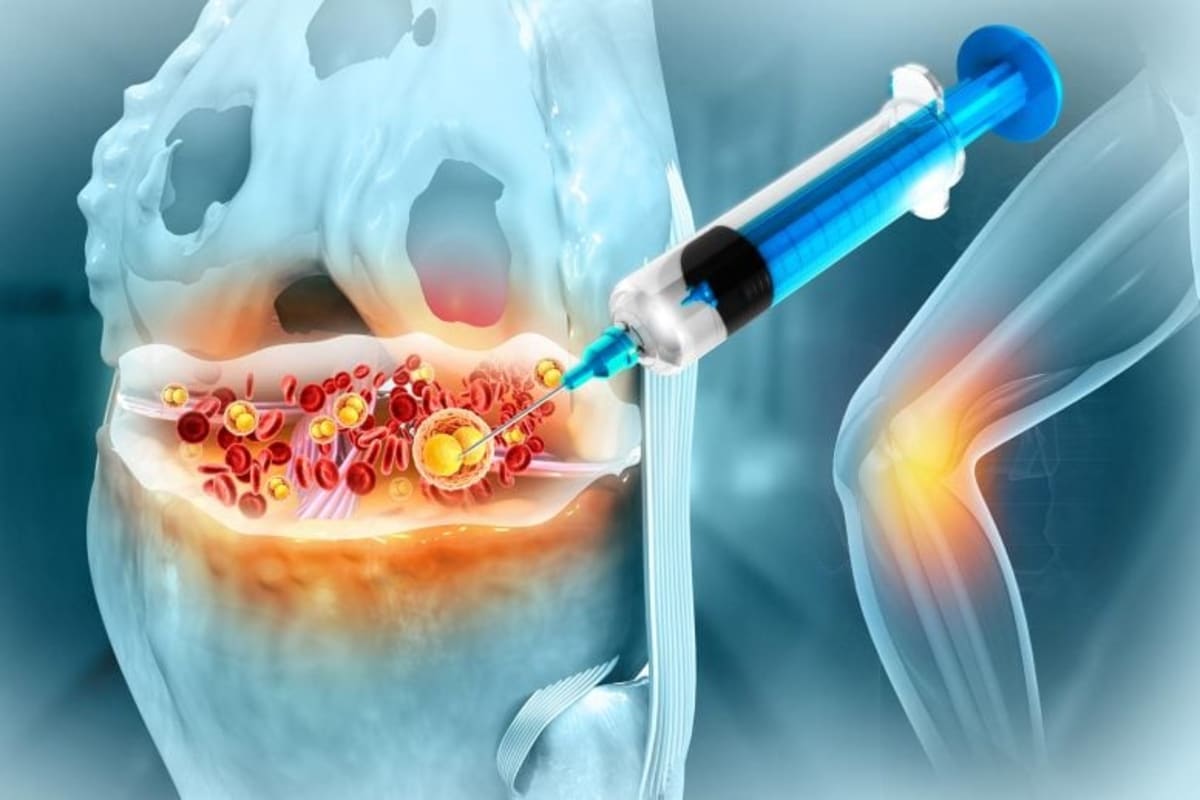
The delivery method makes all the difference. The knee naturally drains fluids within hours, so the researchers created a special hydrogel made from Collagen II. It stays liquid in the syringe but forms a firm gel at body temperature, gradually releasing medication over several weeks.
"The hydrogel acts as a local reservoir," Liu explains. "It holds the drug where it's needed most and releases it slowly over time."
In preclinical studies, animals receiving the hydrogel injection showed significant improvements in both pain levels and cartilage health. The treatment kept medication concentrated in the affected joint, reducing the risk of side effects elsewhere in the body.
The Bright Side
Current osteoarthritis treatments only mask symptoms temporarily. Pain relievers and steroid injections provide short-term relief but can't stop cartilage from continuing to break down, often leading to total knee replacement surgery.
This discovery offers something different: a treatment that addresses both pain and the underlying disease process. Because lacosamide is already FDA-approved for epilepsy, it could potentially move toward clinical trials for osteoarthritis faster than a completely new drug.
The approach also sidesteps opioids, offering effective pain relief without addiction risks. For millions dealing with chronic joint pain, that combination of cartilage repair and safe pain management could mean keeping their natural joints longer and maintaining independence.
The future looks brighter for aging joints everywhere.
More Images
Based on reporting by Google: new treatment approved
This story was written by BrightWire based on verified news reports.
Spread the positivity!
Share this good news with someone who needs it