Yale Researchers Map Path to Save Lives After Overdose
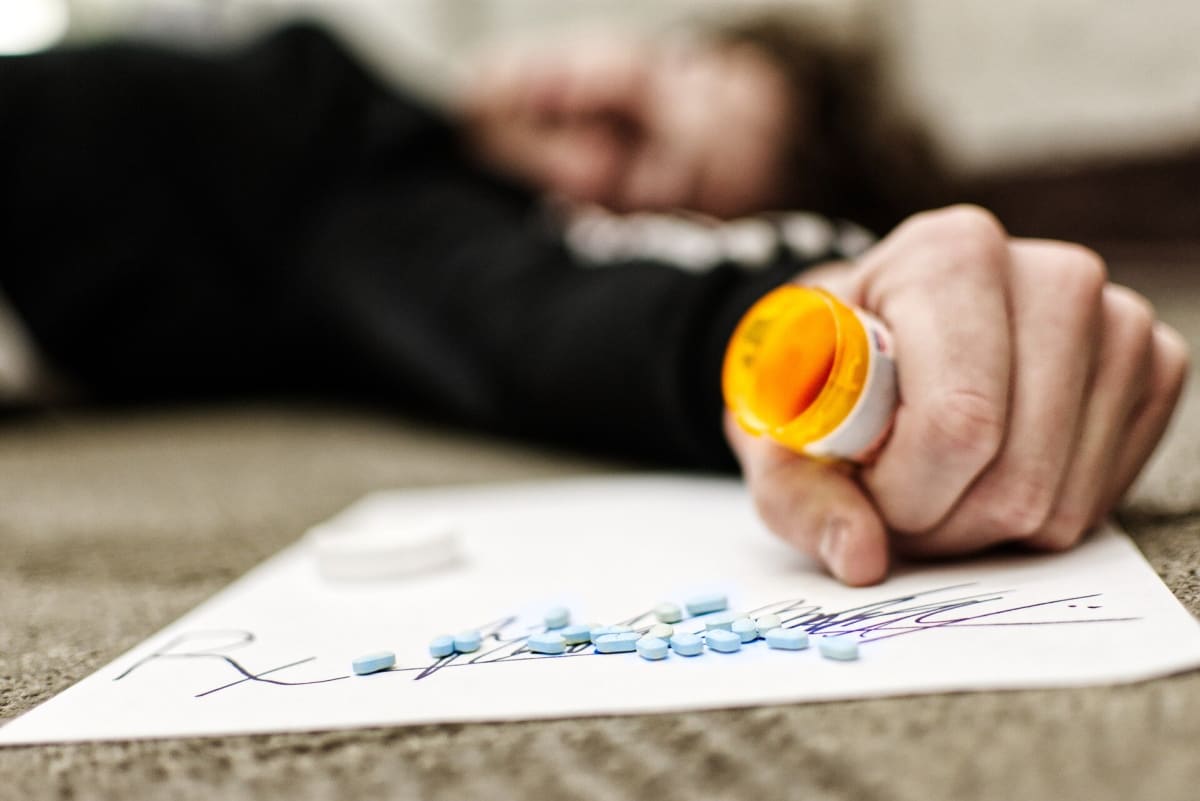
A Yale team has identified exactly when and how healthcare can intervene to save lives after opioid overdoses. Their findings reveal a critical 90-day window where the right support could change everything.
Scientists at Yale have pinpointed the moments that could mean the difference between life and death for overdose survivors.
Dr. Maryam Kazemitabar and her team at Yale School of Medicine studied what happens in the 90 days after someone survives an opioid overdose. What they discovered is changing how doctors think about post-overdose care.
The research reveals something powerful: a nonfatal overdose isn't just a close call. It's one of the few times high-risk patients are actively connected to healthcare, creating a golden opportunity for intervention.
Kazemitabar's study, published in the Journal of Addiction Medicine, examined real patient data to understand exactly what kind of follow-up care saves lives. Her background in measuring health outcomes allowed her to identify patterns that others might miss.
The research shows that while many patients receive medication adjustments after an overdose, there's enormous potential to do more. Understanding these patterns is the first step toward building better support systems.
The Bright Side
This isn't just academic research collecting dust. Kazemitabar's work provides healthcare systems with a roadmap for exactly when and how to intervene during that critical 90-day window.
By treating nonfatal overdoses as opportunities rather than just emergencies, medical teams can offer addiction treatment consultation, appropriate medications, and follow-up support that changes trajectories. The study identifies where current care falls short, which means improvements can be targeted and effective.
Yale's unique environment, where research and clinical practice work hand-in-hand, allows findings like these to move quickly from data to patient care. Kazemitabar's focus on patient-centered outcomes means the research directly informs how doctors treat real people.
The study represents a shift in thinking: from viewing overdose survival as a near miss to recognizing it as a defining moment. When healthcare systems respond with the right combination of support, they have the power to break cycles and save lives.
Every data point in this research represents someone who got a second chance, and now medical teams have better tools to make those chances count.
More Images



Based on reporting by Medical Xpress
This story was written by BrightWire based on verified news reports.
Spread the positivity!
Share this good news with someone who needs it