Yale Scientists Find How Parkinson's Spreads, How to Stop It
Researchers have discovered the "doorway" that lets Parkinson's disease spread through the brain and found a way to block it. The breakthrough could lead to treatments that actually slow or stop the disease, not just ease symptoms.
Scientists at Yale have cracked a puzzle that's stumped researchers for years: how Parkinson's disease jumps from one brain cell to another, and more importantly, how to stop it.
The team identified two proteins on nerve cells that act like a doorway for the toxic substance that causes Parkinson's damage. When they blocked those proteins in mice, brain cells stayed healthy even when exposed to the disease.
About 1.1 million Americans live with Parkinson's disease, which causes tremors, stiffness, and balance problems that worsen over time. Nearly 90,000 people get diagnosed every year. Current treatments only manage symptoms but can't slow the disease itself.
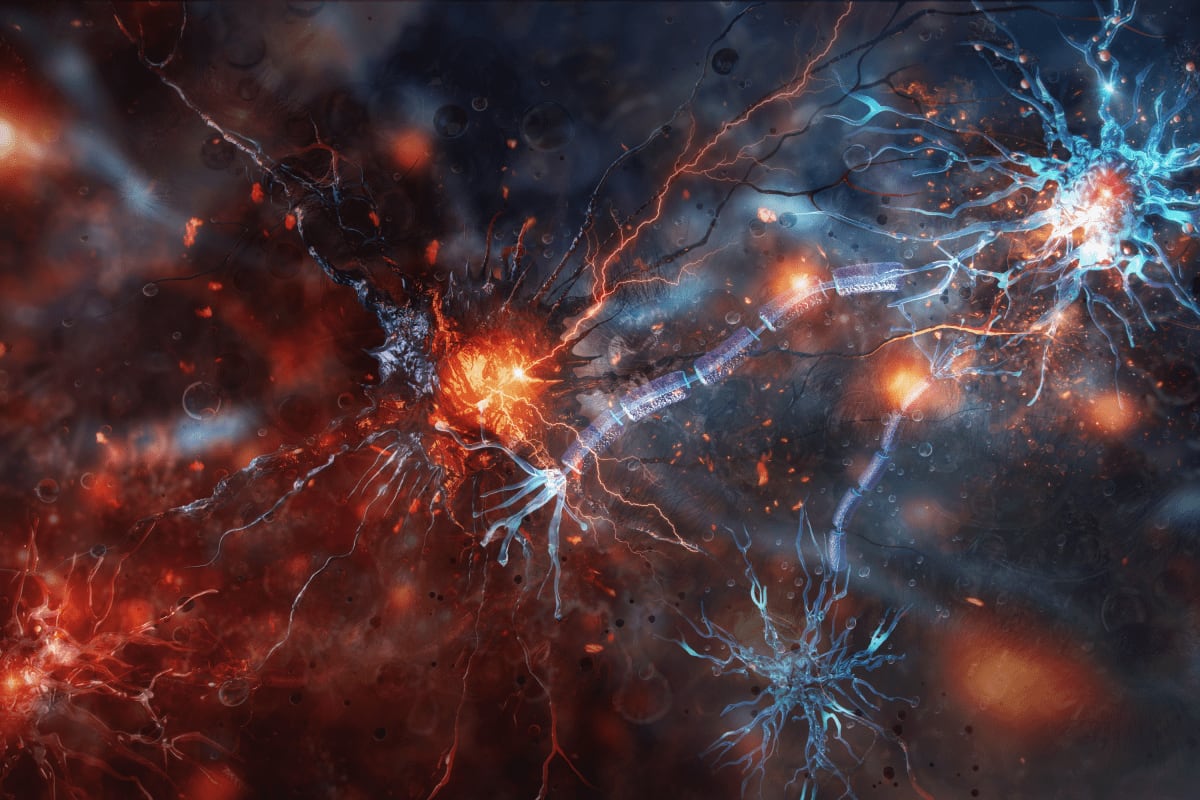
The culprit behind Parkinson's is a protein called alpha-synuclein that misfolds and clumps together inside brain cells. Scientists knew these toxic clumps seemed to spread from cell to cell like a chain reaction, but they didn't know how healthy cells were getting infected.
Dr. Stephen Strittmatter and his team at Yale School of Medicine screened thousands of proteins to find the answer. They discovered two proteins, mGluR4 and NPDC1, that work together as an entry point. Think of them as a lock that the toxic protein has the key to.
When researchers tested mice bred without these two proteins, their brains resisted Parkinson's damage remarkably well. The dopamine-producing neurons that usually die off in Parkinson's stayed largely protected.
The really exciting part? Drugs targeting mGluR4 already exist and some are in clinical trials for other conditions. That means a treatment could potentially reach patients much faster than starting from scratch.
Why This Inspires
This isn't just another incremental step in Parkinson's research. It's a fundamental shift in approach. Instead of treating symptoms after brain damage happens, this strategy could intercept the disease mid-spread.
Strittmatter told Newsweek their goal was finding "disease modifying therapies that would slow, halt or reverse" the damage. If successful in humans, the treatment could give millions of people something they've desperately needed: a way to actually fight back against progression.
The findings, published in Nature Communications, open the door to potentially reversing Parkinson's and related brain diseases driven by protein buildup.
For families watching loved ones fade, this research offers something powerful: genuine hope based on solid science.
More Images


Based on reporting by Google News - Scientists Discover
This story was written by BrightWire based on verified news reports.
Spread the positivity!
Share this good news with someone who needs it