Yale Scientists Map Toxic Alzheimer's Protein Structure
Researchers have revealed the atomic structure of the form of amyloid beta that actually damages the brain in Alzheimer's disease. The breakthrough could lead to safer, more effective treatments that target only the harmful proteins.
Scientists at Yale School of Medicine have solved a puzzle that could transform how we treat Alzheimer's disease.
For over a century, researchers have known that a protein called amyloid beta builds up in the brains of people with Alzheimer's. But figuring out which form of this protein actually causes damage has remained a mystery until now.
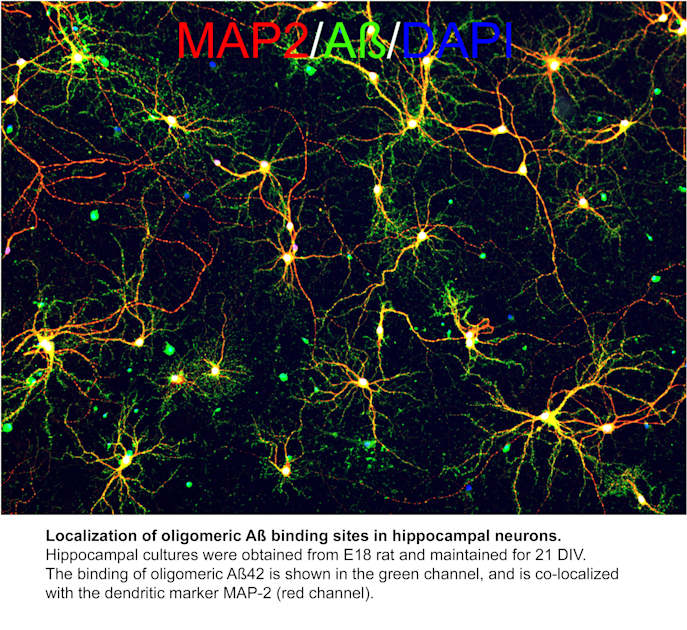
The protein exists in three states: a healthy version in normal brains, an intermediate "oligomeric" form, and large plaques. Recent evidence suggests the intermediate form is the real culprit behind brain damage, yet no one had been able to see its structure clearly enough to target it with drugs.
"This intermediate state is the one that's likely actually causing the damage to the brain, but we haven't known exactly what it is," says Dr. Stephen Strittmatter, who led the research published in Nature Communications.
The team faced a major challenge. These toxic proteins bind so tightly to brain cell receptors that scientists couldn't separate them for study. To overcome this, researchers treated Alzheimer's-affected brain tissue with a drug that displaced the proteins from their receptors, then carefully purified them.
The purified proteins still damaged human neurons in lab tests, proving they remained toxic. Using advanced microscopy, the team discovered that these harmful proteins form short rods about 65 nanometers long, distinctly different from the long filaments that make up plaques.
The discovery matters because current FDA-approved Alzheimer's drugs target both plaque and oligomeric forms of amyloid beta. These medications only slow disease progression by about 30 percent and can cause serious side effects including brain inflammation and bleeding.
Why This Inspires
Understanding the unique structure of the truly harmful form of amyloid beta opens a path to designing drugs that are both more effective and safer. Instead of clearing all forms of the protein, which causes side effects, future treatments could specifically target only the toxic intermediate form while leaving healthy versions alone.
Scientists now have atomic-level detail of what they're fighting against. With this blueprint in hand, researchers worldwide can begin developing precision therapies that strike at the heart of Alzheimer's without collateral damage.
"Now that we have atomic resolution on the bad stuff in the Alzheimer's brain, we hope that will lead to new ways to treat the disease," Strittmatter says.
For the millions of families touched by Alzheimer's, this breakthrough represents real hope for better treatments ahead.
Based on reporting by Google News - New Treatment
This story was written by BrightWire based on verified news reports.
Spread the positivity!
Share this good news with someone who needs it