Yale Unlocks Key to Fighting 90% of Cancers
Scientists at Yale just solved one of cancer treatment's biggest puzzles: how to make immune cell therapy work against solid tumors, which make up most cancer cases. In mice, 100% of breast cancer tumors vanished completely.
For decades, scientists have been able to turn human immune cells into cancer fighters, but they've hit a wall when it comes to solid tumors like breast, colon, and ovarian cancers that account for the vast majority of cases. That wall just came down.
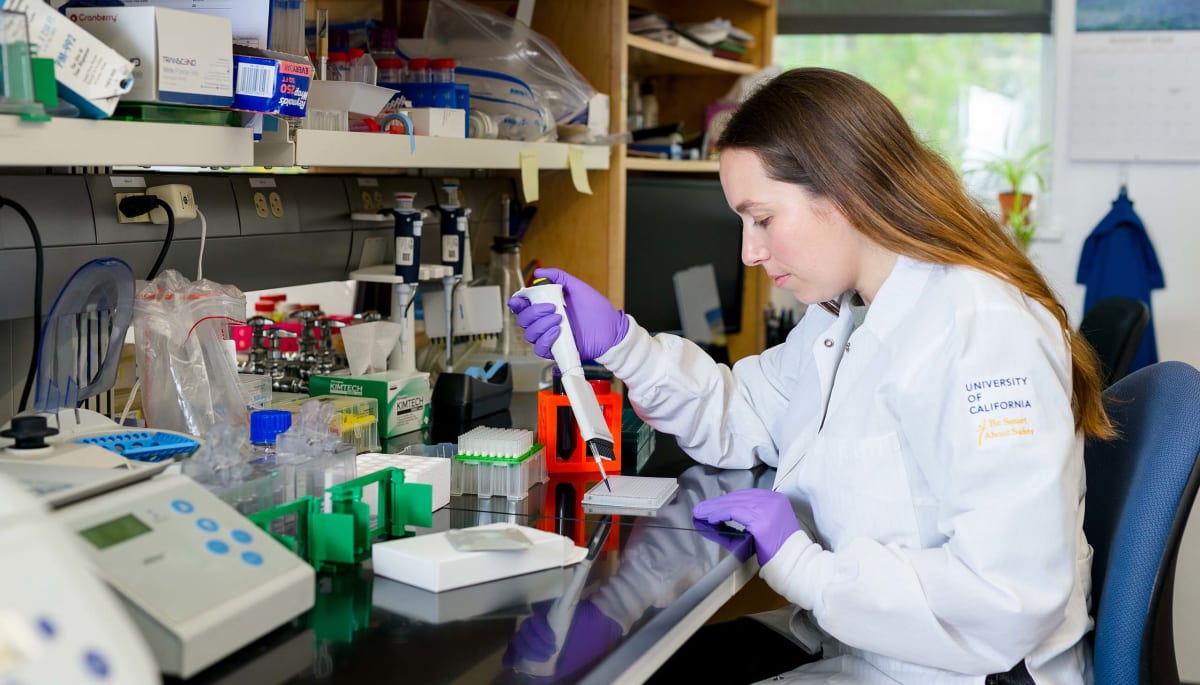
A team of Yale researchers led by geneticist Sidi Chen discovered how to supercharge immune cells to eliminate solid tumors. By adding a single gene called OR7A10 to natural killer cells, they achieved what the field has long considered its holy grail challenge.
The breakthrough builds on existing CAR therapy, where doctors remove a patient's immune cells, modify them to recognize cancer, and put them back to fight the disease. This approach has worked wonders for blood cancers but has largely failed against solid tumors, which struggle to infiltrate dense tumor tissue and often exhaust themselves before finishing the job.
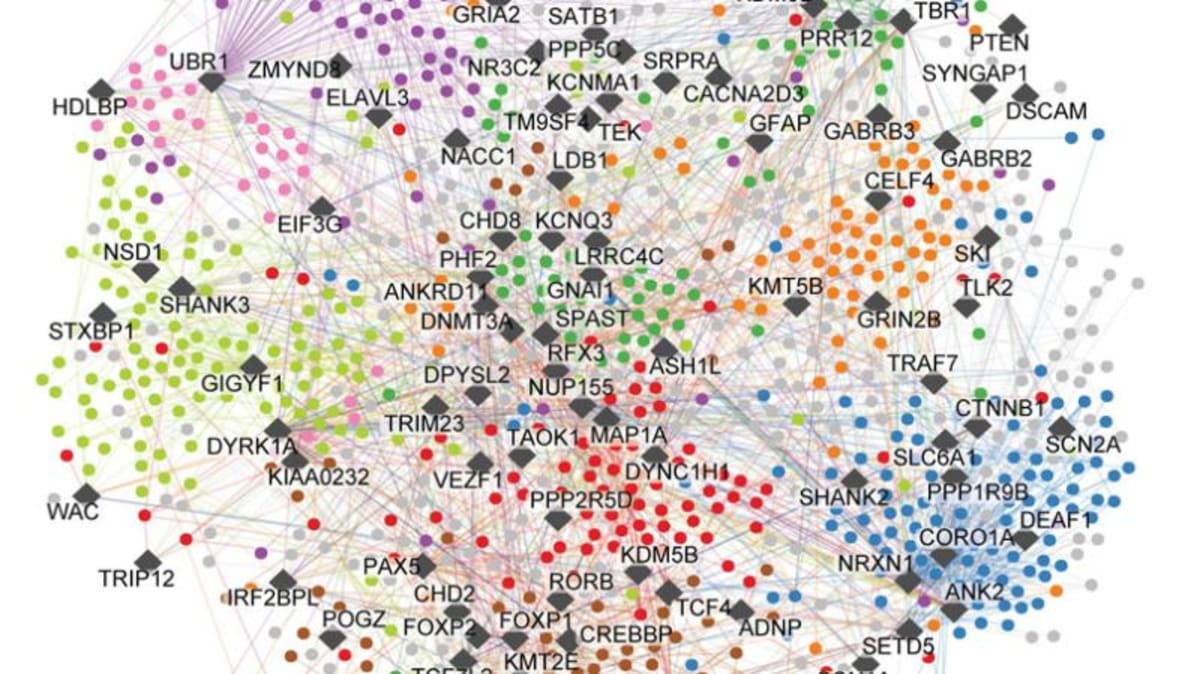
The Yale team spent five years scanning tens of thousands of genes to find the right boost. When they tested their enhanced cells against breast, colon, and ovarian cancers in mice, the results stunned them. Every single mouse with breast cancer saw their tumors completely disappear.
"All of a sudden these NK cells started to work against solid tumors," said Chen, an associate professor at Yale School of Medicine. The team is now expanding tests to brain and thyroid cancers, with human trials planned within the next few years.
The Ripple Effect
The potential impact goes beyond effectiveness. CAR-NK cell therapy can be manufactured as an "off-the-shelf" treatment from donor cells, making it faster, safer, and less expensive than current personalized approaches that require extracting and modifying each patient's own cells.
"This type of product is simple and clean, and it has the potential to democratize treatment and make it available to more patients in need," Chen explained. The manufacturing process won't need major changes for clinical use, keeping costs down and accessibility up.
The research, published in Nature, involved 20 scientists working collaboratively over five years. Co-senior author Lei Peng praised the team's collective creativity in achieving what he called "a very good result" delivered through an enjoyable lab culture.
Across multiple experiments, the enhanced cells consistently outperformed standard CAR-NK cells, showing better tumor killing ability, stronger cytokine production, less exhaustion, improved metabolism, and greater resistance to the immunosuppressive environments that tumors create to protect themselves.
A future where effective cancer treatment is both powerful and accessible just moved from dream to real possibility.
More Images



Based on reporting by Google News - New Treatment
This story was written by BrightWire based on verified news reports.
Spread the positivity!
Share this good news with someone who needs it