Year of the Horse: 5 Wild Facts That'll Surprise You
As the Lunar New Year ushers in the Year of the Horse, scientists are revealing surprising discoveries about these beloved animals—from their ability to smell human fear to wild horses making a remarkable comeback from extinction.
Horses can literally smell when you're scared, and that's just the beginning of what scientists are learning about these incredible animals.
As millions across Asia celebrate the Lunar New Year on February 17, marking the Year of the Horse in the Chinese zodiac, researchers are sharing fascinating insights into equine science. From their complex social lives to their remarkable recovery from near extinction, horses are proving to be far more sophisticated than many people realize.
Sue McDonnell, an equine behavioral scientist at the University of Pennsylvania, points out that scientific investigation into horse behavior only began a few decades ago. Now researchers are uncovering truths that experienced horse handlers have long suspected.
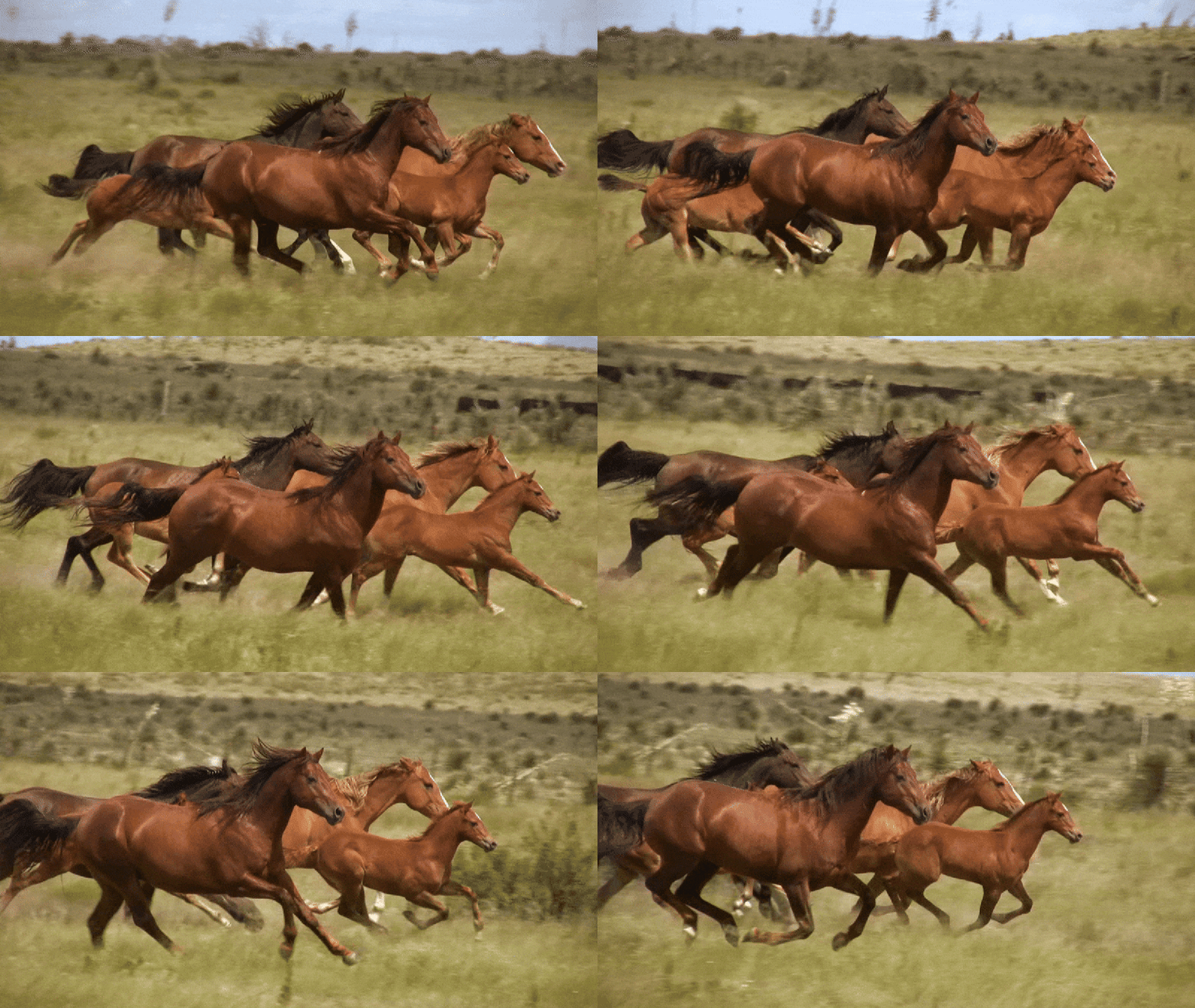
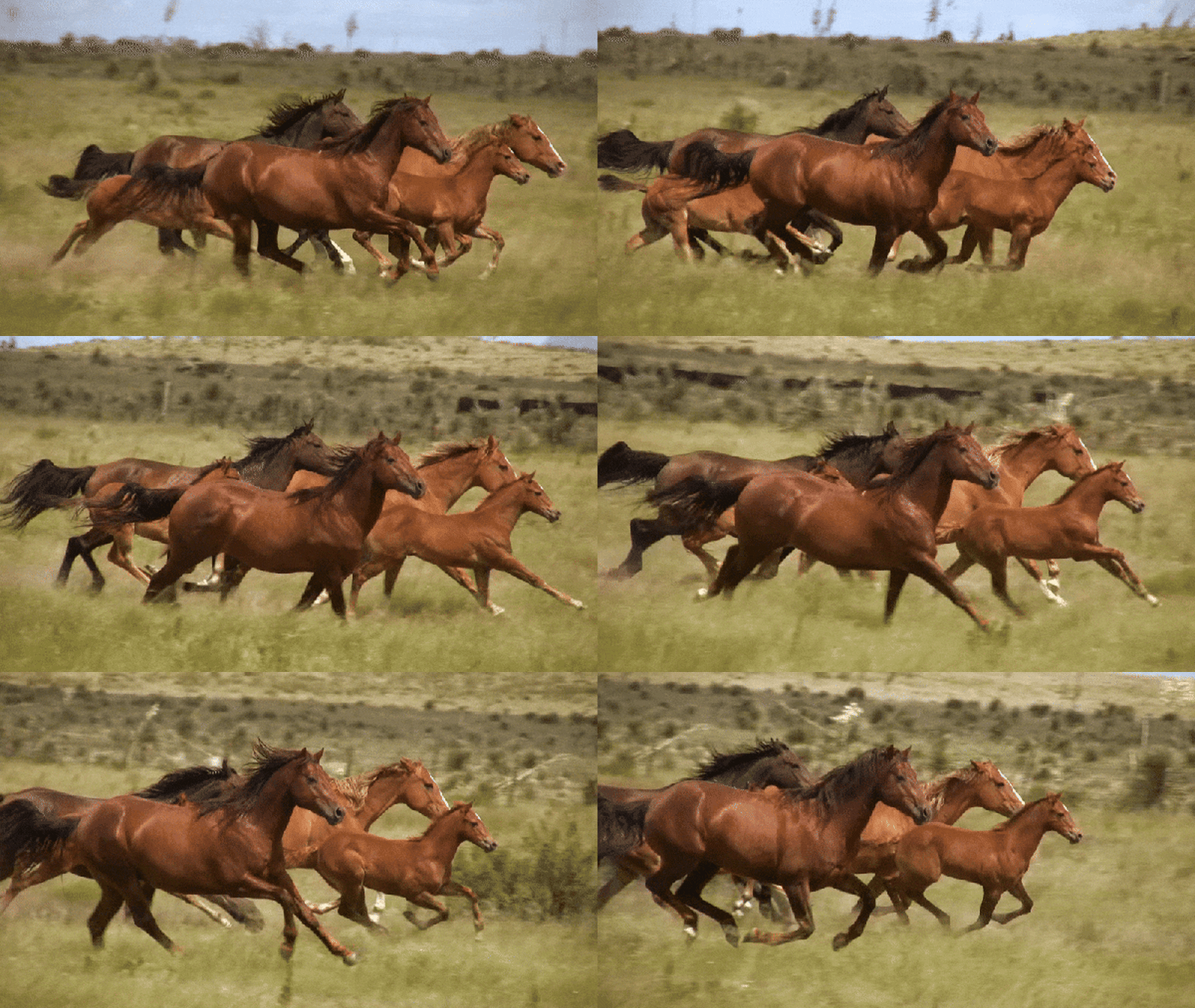
Horses are surprisingly social creatures with three basic needs: freedom, forage, and friendships with other horses. Turn domestic horses loose, and they immediately organize themselves into the same social structure their ancestors had thousands of years ago. Each herd forms several family groups led by one stallion with a handful of mares and their young, plus a bachelor band of younger males.
The most successful stallions aren't the aggressive ones. Studies show that stallions with friendly relationships with their mares produce the most foals, proving that horse society runs on bonds of affection rather than force.
Research published last month finally proved what horse lovers always knew: horses can smell human fear. When humans feel anxious around horses, the animals pick up on those chemical signals and become more nervous themselves, creating a feedback loop. Understanding this connection is vital for improving animal welfare and training methods.
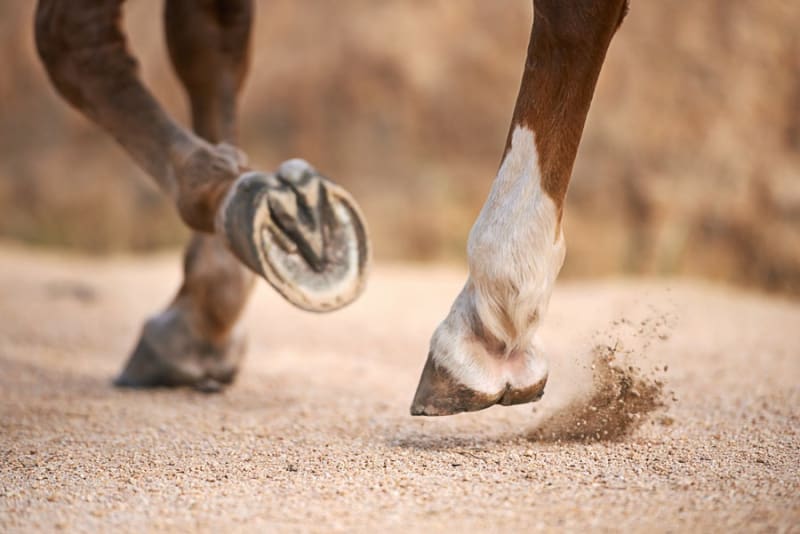
Wild horses also possess remarkable adaptations. Their hooves naturally change with the seasons, growing longer in spring and fall to act like skis on soft ground, then becoming shorter in winter and summer when terrain hardens. Domestic horses only develop hoof problems because of the unnatural hard surfaces they walk on.
Why This Inspires
The conservation story of Przewalski's horses offers genuine hope. These Central Asian wild horses went completely extinct in the wild by the 1960s, surviving only in zoos. Through careful breeding programs and reintroduction efforts starting in the 1980s, some populations are now fully self-sustaining in their natural habitat.
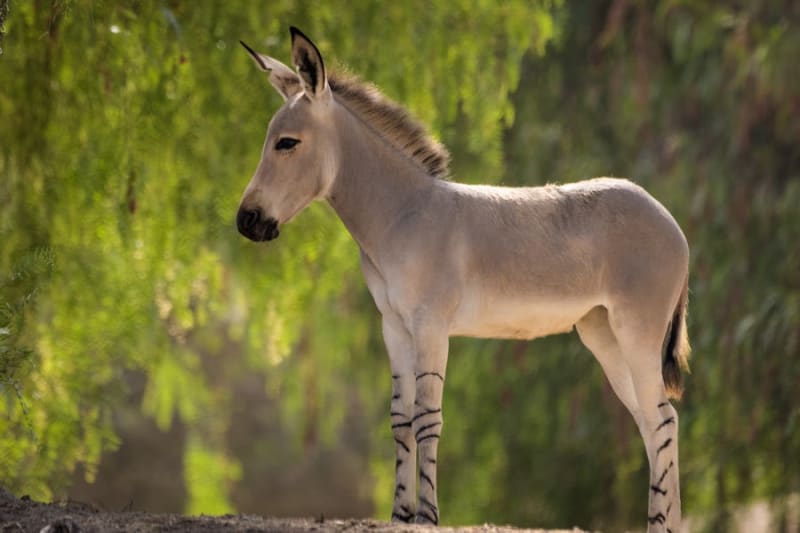
Sarah King, a behavioral ecologist at Colorado State University, calls them "a real conservation success story." While other wild equids like the critically endangered African wild asses still face serious threats, the Przewalski's horse proves that dedicated conservation efforts can bring species back from the brink.
Researchers are even using artificial intelligence to better understand horse health. Since horses evolved to hide pain from predators, they rarely show discomfort around humans. McDonnell is working with AI specialists to analyze video footage and detect subtle behaviors that indicate when a horse is feeling unwell, potentially revolutionizing equine care.
These discoveries remind us that even animals humans domesticated thousands of years ago still have secrets to share.
More Images

Based on reporting by Scientific American
This story was written by BrightWire based on verified news reports.
Spread the positivity!
Share this good news with someone who needs it