Yosemite Celebrates 10,000 Red-Legged Frogs Released
After decades of absence, California's state amphibian is thriving again in Yosemite National Park. A decade-long partnership just released its 10,000th frog, marking a stunning comeback for the threatened species.
The California red-legged frog has hopped back into Yosemite Valley after disappearing for decades, and conservationists just celebrated releasing their 10,000th frog back into the wild.
The federally threatened species vanished from Yosemite years ago when invasive American bullfrogs moved in and wiped them out. Raccoon populations, bloated by open garbage dumps that operated until the 1970s, made things worse by preying on the native frogs.
But 10 years ago, the National Park Service teamed up with the U.S. Fish and Wildlife Service, California Department of Fish and Wildlife, Yosemite Conservancy, and San Francisco Zoo & Gardens to bring them back. Park staff spent years removing every last bullfrog and restored wetlands and streambanks along the Merced River.
The recovery effort got a major boost in 2016 when San Francisco Zoo opened a dedicated breeding facility. Staff collect eggs from wild frogs, raise them in controlled conditions for one to two years, then release healthy juveniles into Yosemite.
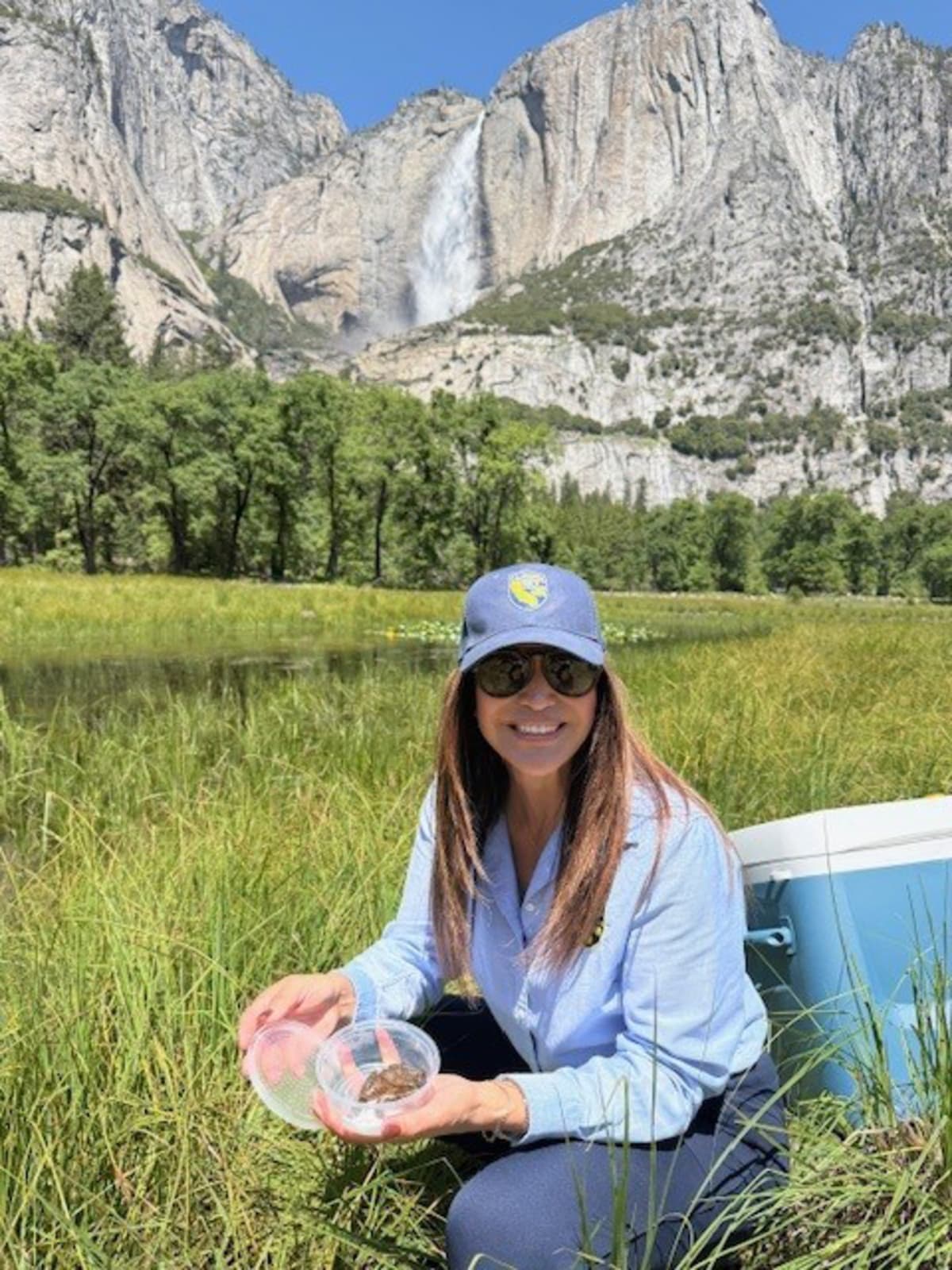
The symbolic 10,000th frog, nicknamed "Twain" after Mark Twain who made the species famous in his short story, was released near Yosemite Falls on May 7. Today, multiple generations of frogs are living and breeding in the valley, all descended from this recovery program.
"When the program began in 2016, no California red-legged frogs remained in Yosemite Valley," said Dr. Rochelle Stiles from San Francisco Zoo. "Today, every frog in the valley traces back to this effort."
The species has proven remarkably tough, surviving droughts, severe winters, and floods. This year alone, the zoo plans to release about 830 juvenile frogs while raising 600 eggs for future releases.
The Ripple Effect: California's largest native frog plays a crucial role in keeping Yosemite's ecosystem balanced. Their comeback shows how removing invasive species and restoring habitat can reverse even decades of damage. The project is now considered a model for species recovery across California, proving that sustained collaboration between zoos, government agencies, and private citizens can save animals from the brink.
Private landowner Diane Buchholz of Garden Valley even allowed researchers to collect frog eggs from her property to support the effort. Funding came partly from grants approved by California voters specifically for wildlife habitat restoration.
The California red-legged frog, recognizable by its reddish belly and growing up to five inches long, is now thriving where it was once completely absent.
Based on reporting by Google News - Wildlife Recovery
This story was written by BrightWire based on verified news reports.
Spread the positivity!
Share this good news with someone who needs it