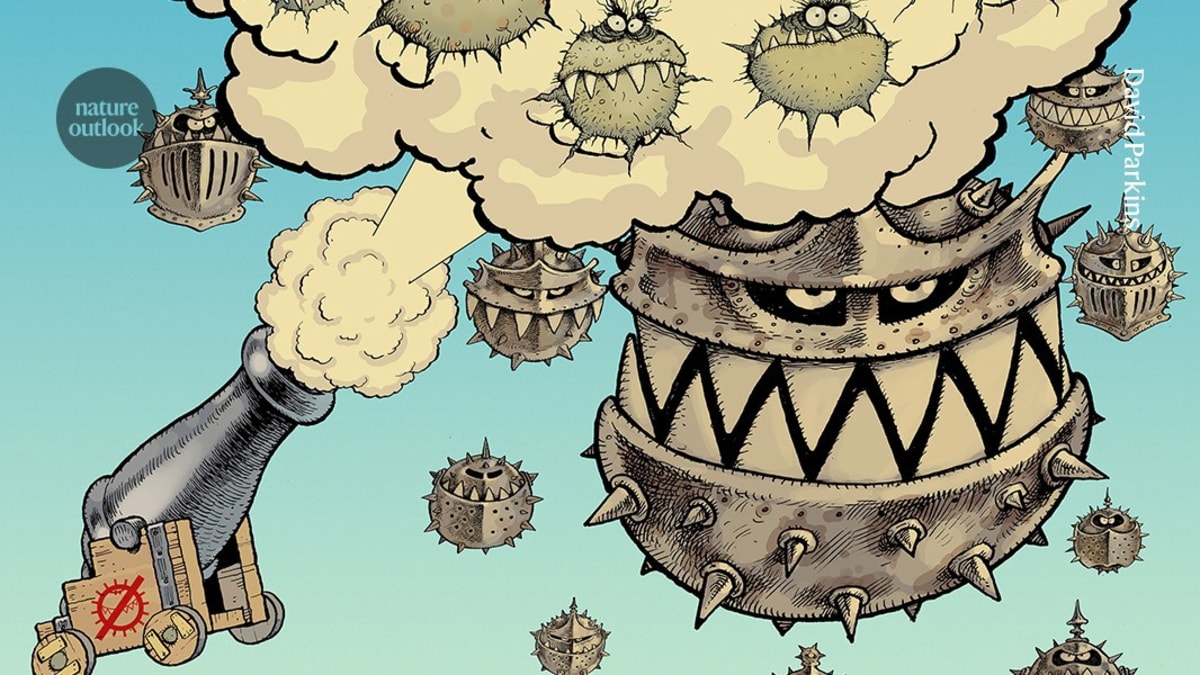
You Can Help Fight Antibiotic Resistance at Home
Scientists say individuals have real power to slow antimicrobial resistance, one of medicine's biggest threats. The solution starts with a simple action anyone can take.
Imagine a world where a paper cut could kill you. That's the grim future scientists are racing to prevent as harmful bacteria develop resistance to our antibiotic arsenal.
But here's the hopeful twist: unlike many global health threats, this is one problem where your individual actions truly matter. Researchers say everyday choices can help preserve the power of life-saving medicines for everyone.
The science behind this is surprisingly straightforward. When people don't finish their prescribed antibiotics, they expose bacteria to sub-lethal doses that can breed resistance. Alexander Fleming, who discovered penicillin, warned about this danger way back in his 1945 Nobel Prize lecture.
Taking antibiotics for viral infections creates the same problem. So does reaching for the most powerful drugs when simpler ones would work, a common issue in countries where antibiotics are sold without prescriptions.
Completing your full antibiotic course is the single most important step individuals can take. It sounds almost too simple, but this basic action helps prevent bacteria from developing the genetic mutations that make them unstoppable.
The fight extends beyond personal medicine cabinets, of course. Widespread antibiotic use in agriculture remains a major challenge, with resistant bacteria spreading from farms to homes on food and even in the air. Economic barriers have also nearly halted development of new antibiotics.
Why This Inspires
In an age of overwhelming global problems, antimicrobial resistance stands out as one where individual responsibility genuinely makes a difference. You don't need special expertise or resources. You just need to follow your doctor's instructions completely.
Every properly completed antibiotic course helps preserve these medicines for the patients who will desperately need them tomorrow. It protects not just your family, but farmworkers, hospital patients, and communities worldwide who face the highest risks from resistant infections.
Scientists are also making progress on other fronts, reviving old antibiotics and developing new treatments. Economic reforms could restart the stalled pipeline of antibiotic innovation.
The era of deaths from preventable infections doesn't have to return if we all do our part today.
More Images


Based on reporting by Nature News
This story was written by BrightWire based on verified news reports.
Spread the positivity!
Share this good news with someone who needs it