Young Adults: Know When to Get Colon Cancer Screening
Lauren Duncan was just 29 when she was diagnosed with colorectal cancer, part of a troubling rise in cases among young adults. Now she and health advocates are sharing crucial information about when to demand life-saving screenings.
Getting a colonoscopy probably isn't on most 20-somethings' minds, but Lauren Duncan's story shows why it should be.
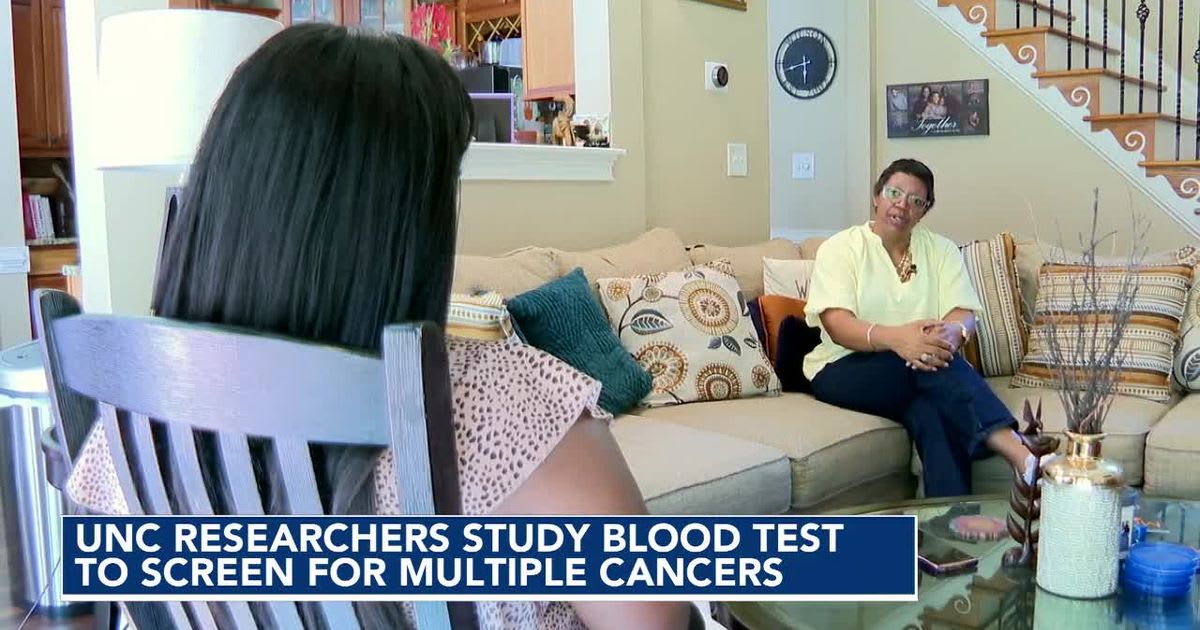
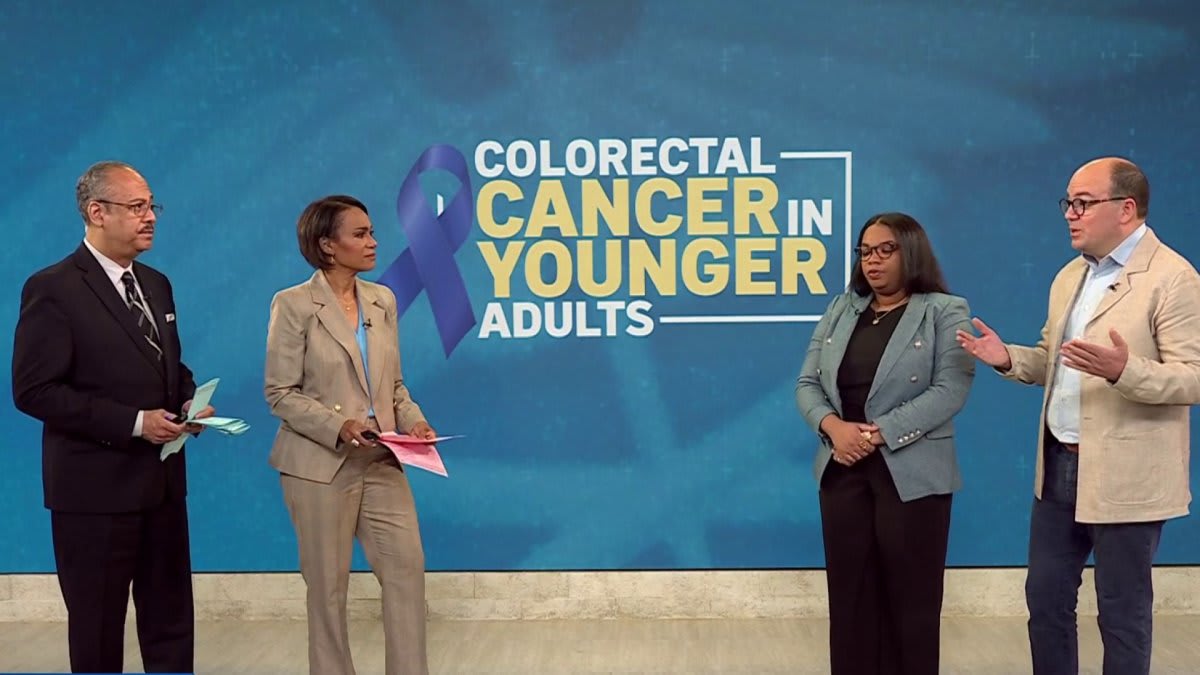
Duncan was diagnosed with colorectal cancer at age 29, joining a growing number of young adults facing a disease once considered rare in their age group. She recently shared her experience alongside Michael Sapienza, CEO of the Colorectal Cancer Alliance, to help others recognize warning signs early.
Colorectal cancer rates are climbing in younger populations, making awareness more critical than ever. The conversation focused on helping young adults understand when symptoms warrant pushing for screening, even if they're below the standard screening age.
Duncan's journey highlights an important shift in how we think about this disease. For decades, colorectal cancer was associated primarily with older adults, but that pattern is changing in ways doctors are still working to understand.
The key message is empowerment. Young people experiencing persistent digestive symptoms, changes in bowel habits, or unexplained bleeding shouldn't dismiss these signs as minor issues.
Why This Inspires
Duncan turned her diagnosis into advocacy, using her platform to educate others who might be experiencing similar symptoms. Her willingness to share her story openly gives young adults the knowledge and confidence to advocate for their own health.
The Colorectal Cancer Alliance provides resources at getscreened.org to help people understand their risk factors and screening options. This kind of accessible information removes barriers between concerning symptoms and potentially life-saving action.
Medical guidelines continue evolving as researchers learn more about early-onset colorectal cancer. While screening recommendations now start at age 45 for average-risk individuals, anyone with symptoms should consult their doctor regardless of age.
Duncan's message is clear: trust your body and don't hesitate to demand answers. Early detection dramatically improves outcomes, and speaking up could save your life.
More Images



Based on reporting by Google News - Cancer Survivor
This story was written by BrightWire based on verified news reports.
Spread the positivity!
Share this good news with someone who needs it