Young Disabled Ghanaians Demand Direct Funding Access
Young persons with disabilities in Ghana are pushing past token consultation to demand real power: seats at decision-making tables, direct access to funding, and an end to programs that train them endlessly but never employ them. A groundbreaking 2025 research project just gave them the evidence to back it up.
Young people with disabilities in Ghana just drew a line in the sand, and it's about time someone did.
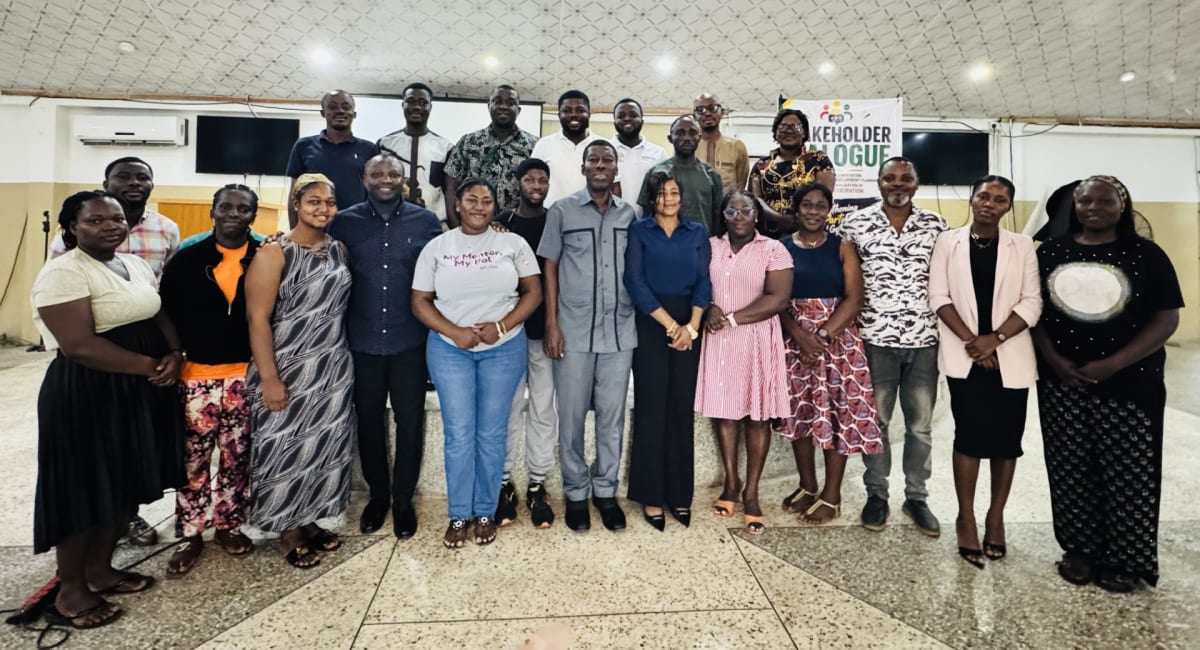
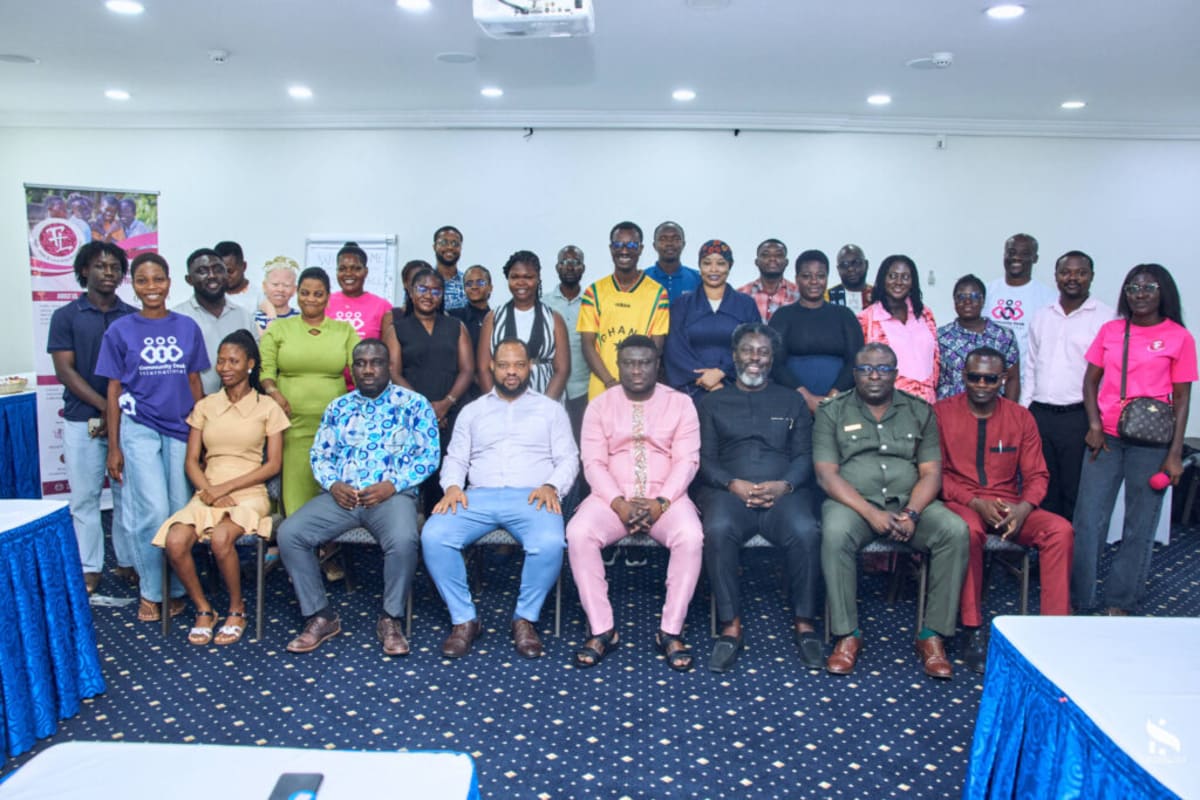
The Amplifying Voices project, launched this year by FHL Group Africa and Community Desk International, unveiled research findings that confirm what disabled youth have been saying for years. They're overtrained, underutilized, and systematically locked out of the decisions that shape their lives.
The project studied young disabled people in Accra and found four major roadblocks. Leadership positions remain empty of disabled voices, with inclusion treated as an afterthought rather than built into institutions from the start. National budgets routinely sideline disability needs, leaving crucial programs unfunded.
Perhaps most frustrating is the endless training cycle. Young people receive skills training over and over but never get platforms to actually use those skills. It's like teaching someone to swim but never letting them near water.
Physical barriers compound the problem. Buildings stay inaccessible, assistive technology remains out of reach, and the infrastructure needed for genuine participation simply isn't there.
Program Manager Patience Entsie, speaking for FHL Group Africa founder Naa-Amy Wayne, put it plainly. Young persons with disabilities aren't one group with one experience, she explained. They're a diverse community shaped by gender, location, disability type, and whether systems support or fail them.
The Ripple Effect
The research isn't just documenting problems. It's creating a roadmap for actual change that could transform how development programs work across Ghana and beyond.
One proposal stands out for its elegance and empowerment: a direct funding card system, similar to an ATM card. It would let disabled youth receive financial support directly, cutting out middlemen and bureaucratic delays. No more money lost in administrative fees or trapped in organizational accounts.
The Ghana Federation of Disability Organisations sees this research as their evidence base for demanding accountability. Their representative told funders directly that recommendations can't stay on paper anymore.
Kwasi Manu, co-founder of Community Desk International, emphasized that evidence must translate into binding action. The next phase will focus on policy dialogue and cross-sector engagement, bringing findings to both government and private actors.
Stakeholders agreed on concrete strategies moving forward. Programs must embed inclusion from initial design through final evaluation, not add it as an afterthought. Social media should engage disabled youth where they already are. Monitoring systems need clear accountability indicators that actually track whether inclusion happens.
The project uses a youth agency for social change model, recognizing that young disabled people aren't passive recipients of services but active agents of their own futures. Plan International and other development partners attended the dissemination meeting, signaling that major organizations are paying attention.
Ghana's Ministry of Finance emerged as a key advocacy target, with participants calling for sustained pressure to shift budget priorities toward genuine disability inclusion.
Young disabled Ghanaians are done being studied, trained, and talked about without real power or resources changing hands.
Based on reporting by Myjoyonline Ghana
This story was written by BrightWire based on verified news reports.
Spread the positivity!
Share this good news with someone who needs it