Young Engineer Stays Creative to Change Roads for Good
A civil engineer worried about losing their idealism has a powerful ally: strategic patience. Climate therapist Leslie Davenport shares how to transform systems from the inside without getting absorbed by them.
Change doesn't happen overnight, but that doesn't mean it's impossible.
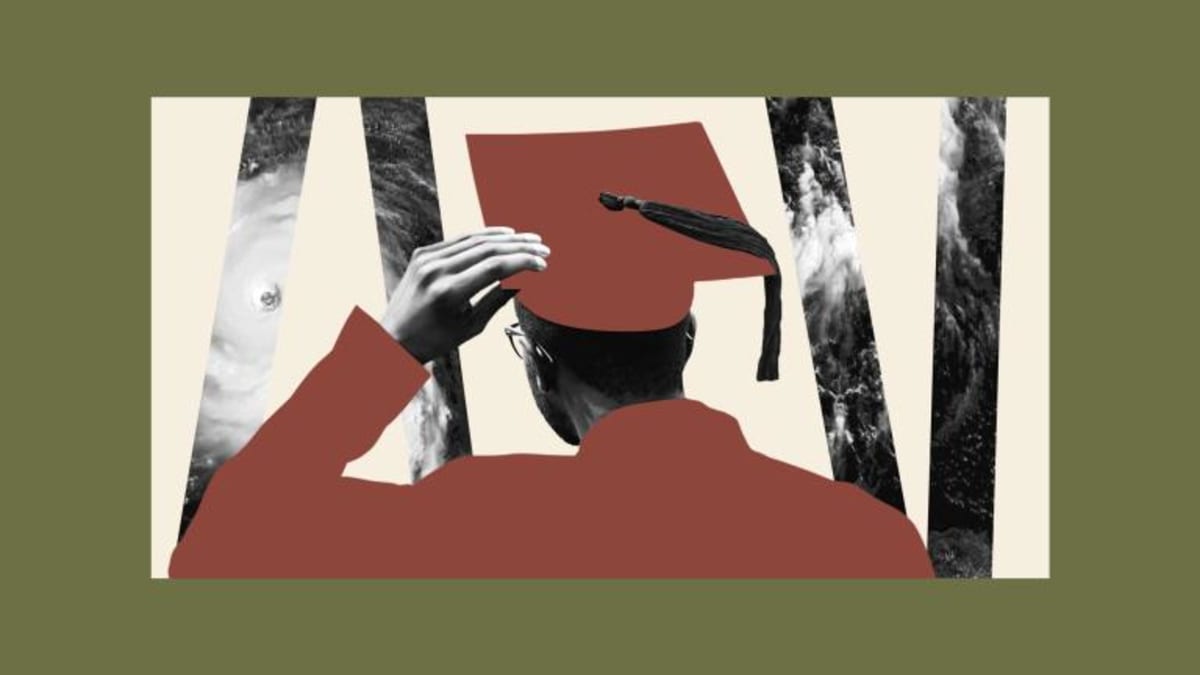
A young civil engineer wrote to climate therapist Leslie Davenport with a fear many idealistic professionals share. They want to transform how we build roads, shifting from endless expansion to community-focused improvement. But as an entry-level employee, they're scared the system will change them before they can change it.
Davenport's response offers hope wrapped in practicality. She introduces the concept of "strategic patience," which isn't giving up or settling. It's an intentional practice of building credibility while staying true to your values and keeping your vision alive.
The threat is real and even has a name: bureaucratic absorption. It's the gradual process where people who enter systems to change them end up being changed instead. Organizations naturally reward business as usual and can slowly dull the creative spark that drew reformers in the first place.
So how do you fight back? Davenport suggests treating your early career years as reconnaissance. Observe the specific challenges your organization faces. Write down your ideas to stay sharp and on track. Document what needs to change and why.
But the most surprising advice is about creativity itself. Because bureaucratic absorption works by dulling imagination, you resist it by intentionally keeping your creative mind strong. For engineers, that means reconnecting with the problem-solving skills that drew you to the work in the first place.
Davenport recommends engaging with fields outside your own, like art, history, or fiction. She suggests building a "what if" habit, asking speculative questions with no immediate utility. Think of it as calisthenics for your imagination, keeping your mind from narrowing into only what's technically feasible today.
Community matters too. Finding like-minded people inside or outside your workplace is one of the most powerful psychological strategies for keeping your values front and center. Join climate-aware professional networks. Seek mentors who've navigated similar frustrations. Build friendships with trusted colleagues who share your vision.
Why This Inspires
This advice applies far beyond engineering. Anyone working inside a system they hope to improve faces the same challenge: How do you maintain your idealism while building real influence? The answer isn't to rage against the machine or quietly conform. It's to stay intentionally creative, connected, and patient.
The timing might be better than it seems. Community-oriented approaches are gaining ground in urban planning, policy, and climate adaptation. The window for creative thinking may be opening rather than closing, which means patient reformers could find their moment arriving sooner than expected.
Systems change when people inside them keep each other honest and imaginative, and that process is already underway.
More Images


Based on reporting by Grist
This story was written by BrightWire based on verified news reports.
Spread the positivity!
Share this good news with someone who needs it