Young Great White Shark Spotted in Spanish Mediterranean
A juvenile great white shark caught off Spain's coast in 2023 sparked scientists to compile 160 years of sighting data, revealing these misunderstood ocean giants still call the Mediterranean home. The discovery offers hope for understanding and protecting this vulnerable species.
When Spanish fishermen accidentally caught a young great white shark in their nets in April 2023, they had no idea they'd just triggered one of the most comprehensive studies of these elusive predators in more than a century.
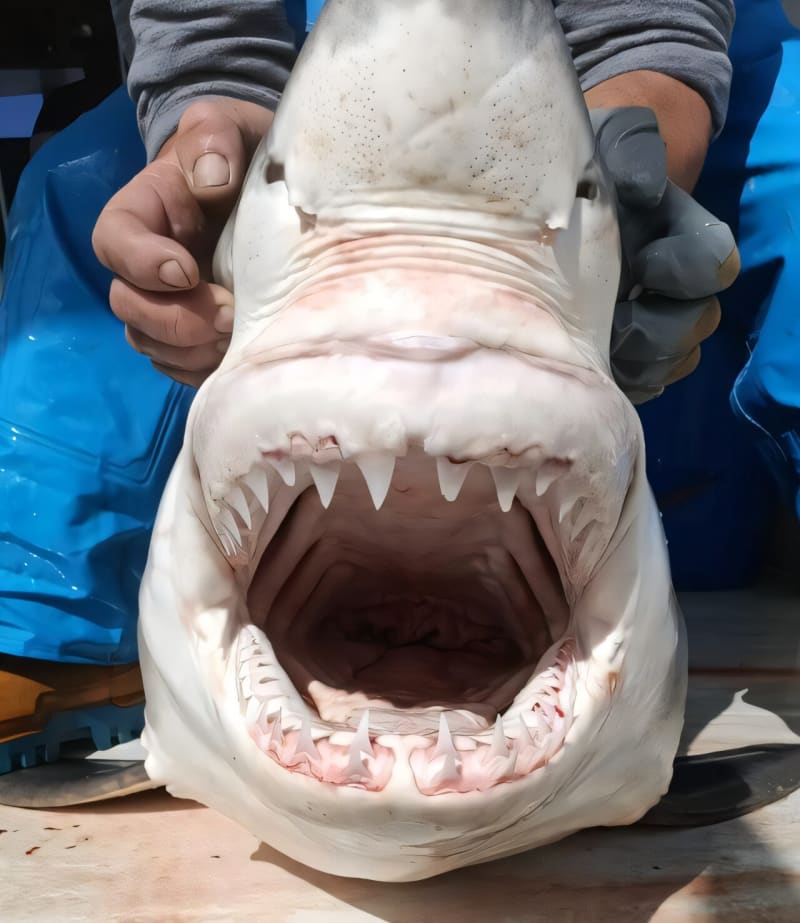
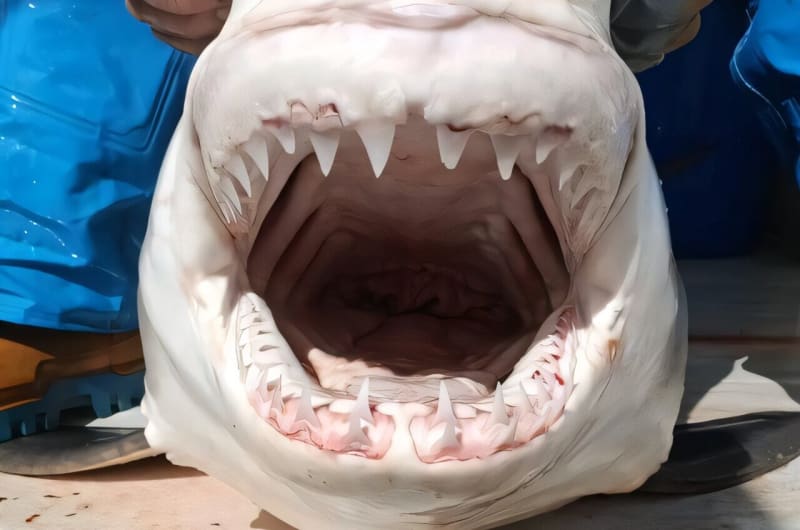
The juvenile shark, measuring about seven feet long and weighing between 80 and 90 kilograms, was caught off Spain's eastern coast. This rare encounter prompted researchers to examine every recorded sighting of great white sharks in Spanish waters dating back to 1862.
What they found offers genuine hope. Despite being listed as vulnerable with declining populations, great white sharks have maintained a continuous presence in the Mediterranean Sea. The sightings are rare, but they're consistent, proving these ocean giants haven't abandoned these waters.
Dr. José Carlos Báez, who led the research published in Acta Ichthyologica et Piscatoria, calls finding juvenile sharks particularly exciting. Young sharks suggest that breeding might be happening in the region, which would be critical for the species' survival in the Mediterranean.
The 160-year review revealed a persistent pattern. While encounters remain exceptional events, the species has quietly inhabited these waters throughout modern history, earning them the nickname "ghost" population among scientists.
The Bright Side
Far from the movie monster reputation they've acquired, great white sharks play an essential role in keeping ocean ecosystems healthy. As highly migratory species, they redistribute energy and nutrients across vast distances, acting as nature's cleanup crew by consuming dead animals and keeping waters clean.
Even in death, these sharks give back. When they eventually sink to the ocean floor, they provide critical nourishment for deep-sea communities that depend on these pulses of nutrients from above.
Báez emphasizes that scientific understanding is the best tool for replacing fear with appreciation. By studying the biology and ecology of great white sharks, researchers can dismantle myths that have stigmatized these animals for decades.
The discovery has reinforced the need for long-term observation programs throughout the Mediterranean. Scientists now plan to combine direct sightings with advanced tracking methods to develop evidence-based conservation strategies for this iconic apex predator.
Understanding where young sharks appear could help identify potential breeding grounds worthy of protection. Each sighting, even accidental ones, adds another piece to the puzzle of how these magnificent animals survive in changing seas.
The researchers hope their work will inspire appreciation rather than fear for these essential ocean guardians.
More Images
Based on reporting by Phys.org
This story was written by BrightWire based on verified news reports.
Spread the positivity!
Share this good news with someone who needs it