Young Igbo Men Revive Ancient Leadership Title in Nigeria
In southeastern Nigeria, young professionals are reclaiming the sacred Ichie title, blending ancient tradition with modern life. What was once reserved for elderly village elders is now drawing MBA graduates and lawyers back to their cultural roots.
The men stepping into Nigeria's sacred Ichie leadership roles today are just as likely to hold law degrees as they are to carry ivory tusks.
For generations, becoming an Ichie meant undergoing Igbu Ichi, a grueling facial scarification ritual. Deep incisions carved from forehead to chin represented sun rays and a direct connection to Chukwu, the Igbo word for God. These permanent marks served as passports of sorts, proving ritual purity and granting entry into the prestigious Nze na Ozo society.
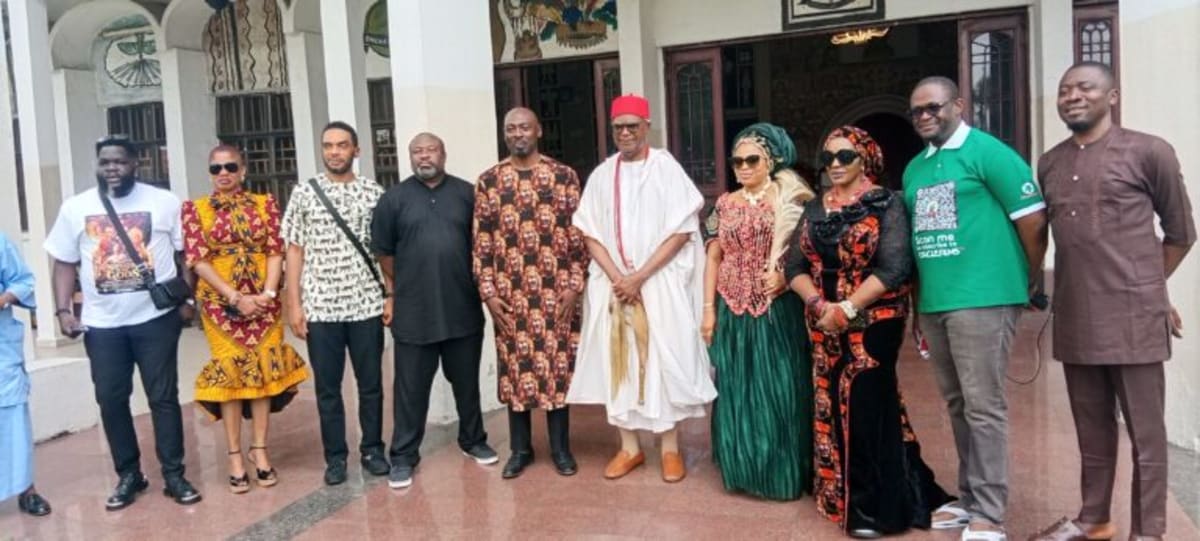
Chief Jude Obiakor, now known as Ichie Ebube Nnia, represents this new generation. The young professional from Adazi-Nnukwu didn't see accepting this ancient mantle as looking backward. For him, it was about finding his footing in a fast-moving world.
"In the old days, the pain was the point," Jude explains. "It proved you had the strength to lead." Today, the physical scarring has been replaced by symbolic rituals that honor tradition while respecting modern standards.
The change reflects a profound shift in understanding. "The marks are no longer physical, but the weight of them remains," Jude says. "It's a sign that the boy of yesterday has finally come of age."
For Jude, the decision carried deep family significance. His father, Chief Felix Obiakor, wore the title with grace. When he passed, Jude's elder brother Emeka, a lawyer, continued the tradition. Now it's Jude's turn to carry the torch.
The initiation ceremonies themselves have evolved into vibrant cultural celebrations. While the scarification knives have been put away, the festivities remain grand public spectacles featuring feasting, traditional drums, and the spirited gatherings of the Nze na Ozo society.
Why This Inspires
In our globalized world, young Igbo professionals are discovering that cultural belonging offers something modernity alone cannot provide. These men aren't rejecting their education or contemporary lives. They're anchoring them in something deeper, becoming custodians of traditions that Western education and colonial Christianity once tried to erase.
The revival speaks to a universal hunger for roots and identity. By reclaiming these ancient rites, young Igbo men are proving you can navigate the 21st century while honoring ancestral wisdom. They're showing that tradition and progress aren't opposing forces but can strengthen each other.
As Jude puts it simply: "Modernity has changed the way we do it, but it hasn't changed why we do it. The Igbo pride is still there."
His words capture a movement happening across Nigeria's heartland, where the sun-marks once carved into skin now shine from within, carried by a generation determined to bridge past and future.
Based on reporting by Vanguard Nigeria
This story was written by BrightWire based on verified news reports.
Spread the positivity!
Share this good news with someone who needs it