Young Scientists in Asia Unlock Secrets of Life and AI
A new generation of researchers under 30 is making breakthroughs in everything from artificial life to brain-computer interfaces. Their work could transform medicine, technology, and our understanding of how life began.
Eighteen young scientists across Asia are pushing the boundaries of what seemed impossible just a few years ago, and their discoveries could change the world.
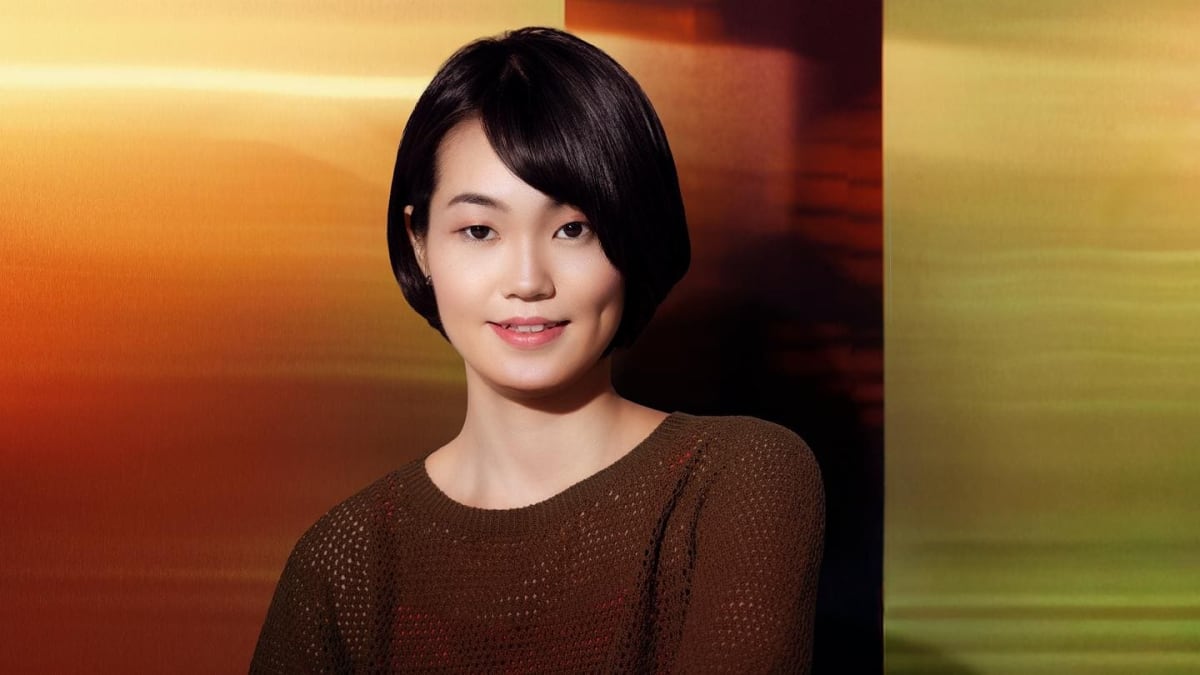
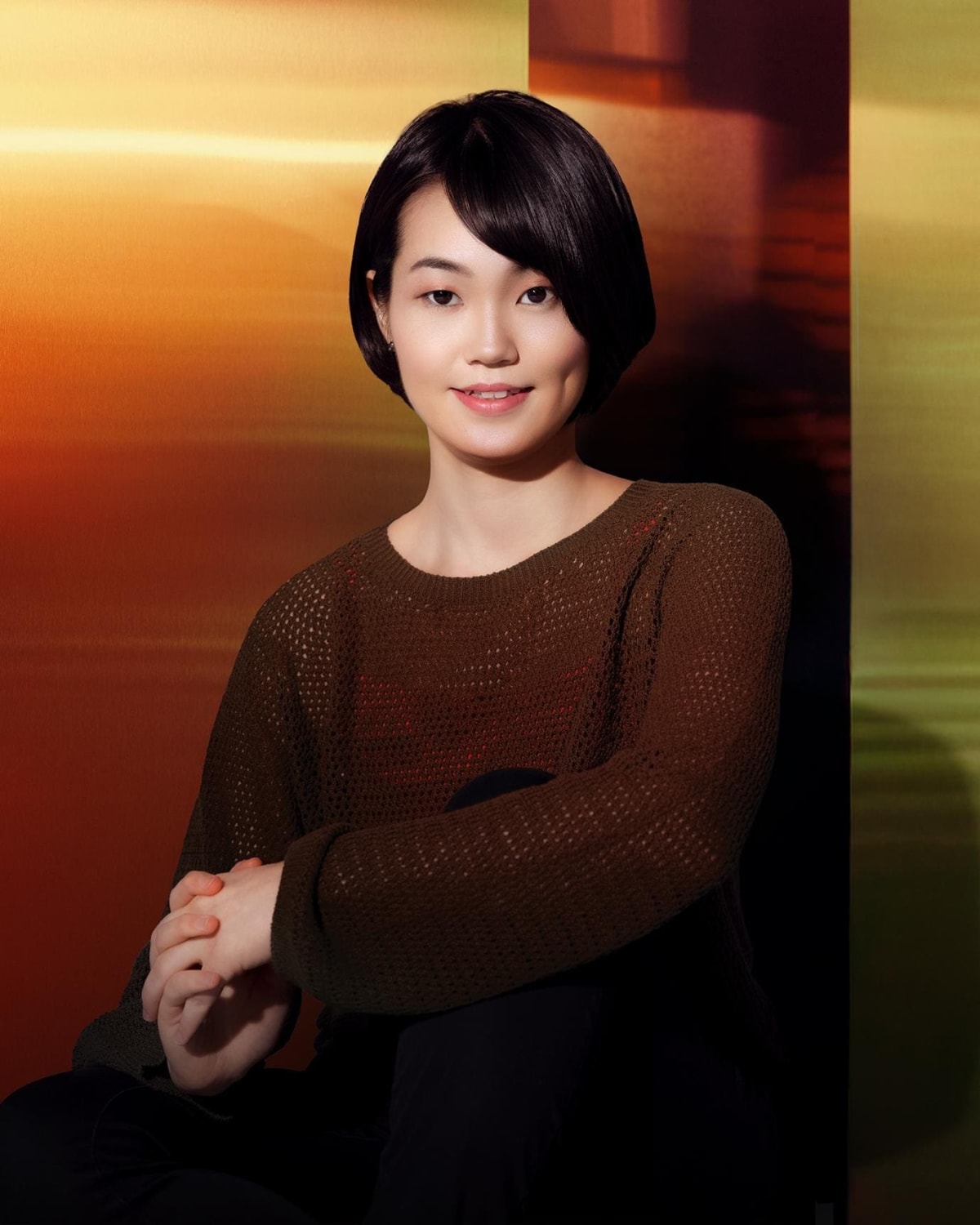
Hikari Okita didn't set out to solve one of science's biggest mysteries. The Japanese researcher started with simple curiosity about why she needed glasses as a kid, which led her to chemistry, then genetics, and finally to a quest that reaches back four billion years.
Now at the Institute of Science Tokyo, Okita is studying xeno-nucleic acid, a tougher version of DNA that could help us understand how life first began. Unlike regular DNA, XNA resists breaking down in the body, making it potentially revolutionary for drug delivery and medical treatments. Her clear explanations of complex science won her the Nagoya University 3 Minute Thesis Competition in 2024 and a L'Oréal-UNESCO fellowship last year.
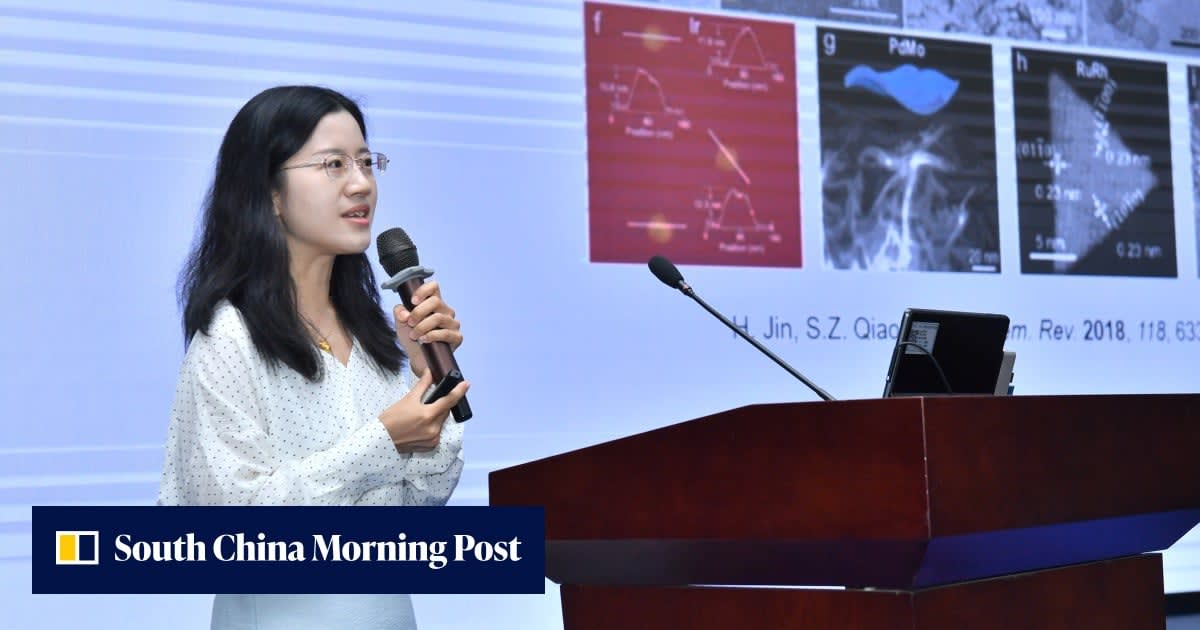
Meanwhile, Liu Zhengwu at the University of Hong Kong is working on technology that sounds like science fiction. The 29-year-old assistant professor is developing brain-computer interfaces that could let people control devices with their thoughts. His research on decoding brain signals has been published in top journals and cited over 1,700 times.
Across Asia, other young minds are tackling artificial intelligence challenges. Zhang Wenxuan at Singapore University of Technology and Design is making AI more inclusive by building language models for Southeast Asian languages like Thai, Indonesian, and Vietnamese. His work earned him a spot on Stanford's list of the world's top 2% of scientists.
From China, researcher Sean Du focuses on making AI safer and more reliable, while Shi Weijia is protecting data ownership in AI training. Her FlexOlmo project lets data owners control when their information is active in AI models.
The Ripple Effect
These breakthroughs reach far beyond lab walls. Hieu Nguyen, a Vietnamese scholar at Stanford Medicine, contributed to research on cancer-causing gene mutations while advising a nonprofit that brings telehealth to underserved communities worldwide. In Taiwan, I-Lin Tsai cofounded a company creating surgical devices that repair tendons through incisions smaller than one centimeter, already used in 100 procedures across the U.S.
The diversity of their work shows how interconnected progress really is. Understanding the origins of life could lead to better medicines. Brain-computer interfaces could help people with disabilities. Inclusive AI models could give voice to millions speaking overlooked languages.
These researchers chose paths that let them dream bigger than traditional careers allowed, and their curiosity is opening doors for everyone.
More Images


Based on reporting by Google: scientific discovery
This story was written by BrightWire based on verified news reports.
Spread the positivity!
Share this good news with someone who needs it