Your Appendix Evolved 32 Times—It's Not Useless After All
Scientists discovered the appendix independently evolved at least 32 times across hundreds of mammal species, proving it's far from the "useless organ" we learned about in school. This misunderstood body part actually supports your immune system and protects helpful gut bacteria.
For over a century, we've been taught that the appendix is just evolutionary baggage left over from our plant-eating ancestors. Turns out, science got that one wonderfully wrong.
Researchers analyzing 361 mammal species discovered the appendix evolved independently at least 32 times across different animal lineages. That's not the pattern of a useless leftover. When evolution keeps reinventing something, it means that structure provides real benefits.
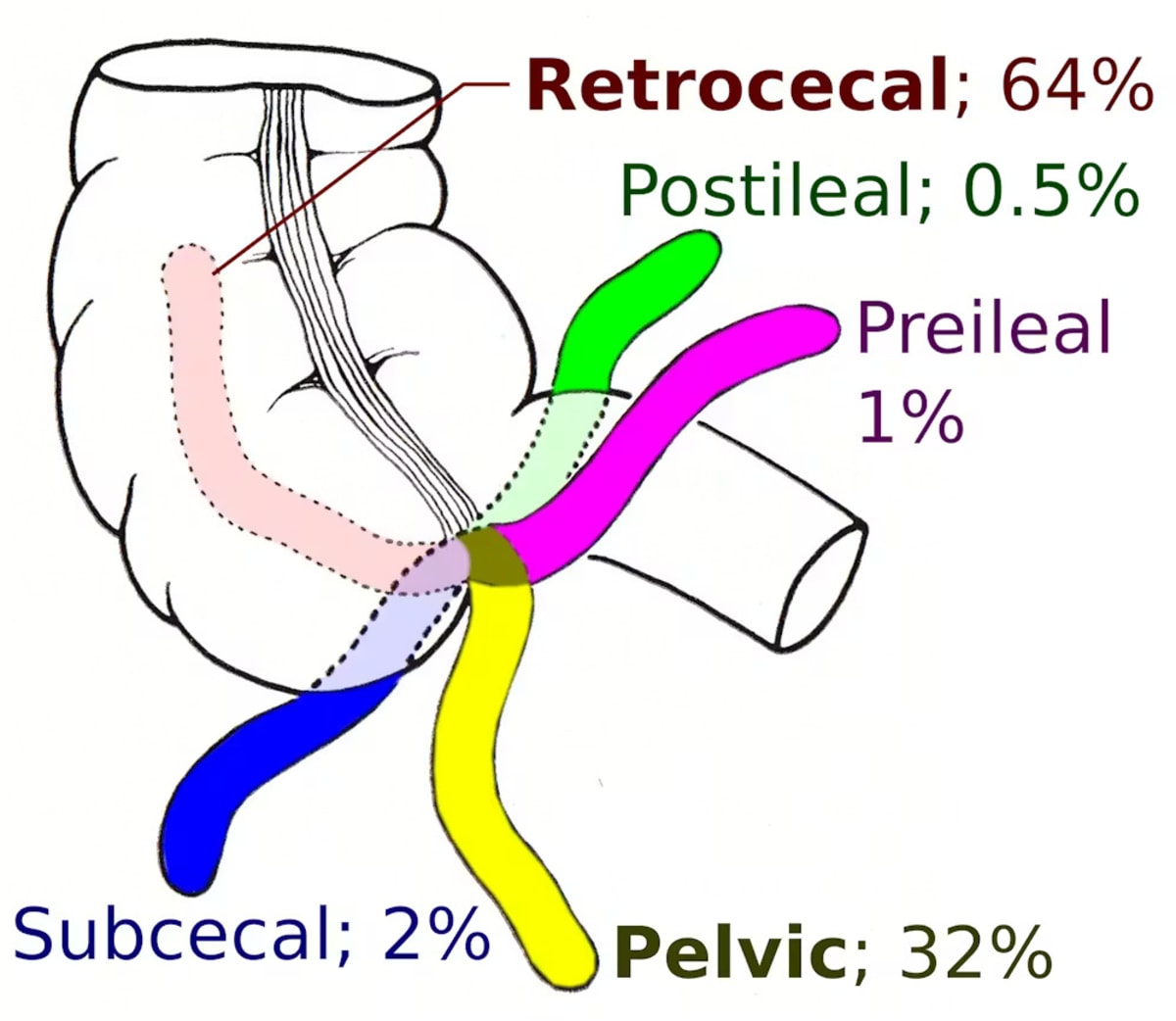
The appendix appears in primates like humans and great apes, marsupials including koalas and wombats, and rodents and rabbits. Each group developed it separately, adapting its shape and size to their specific needs. Some have long, cylindrical versions while others sport shorter, funnel-shaped pouches.
Scientists call this pattern convergent evolution, where unrelated species independently develop similar solutions to similar problems. It's nature's way of saying "this actually works."
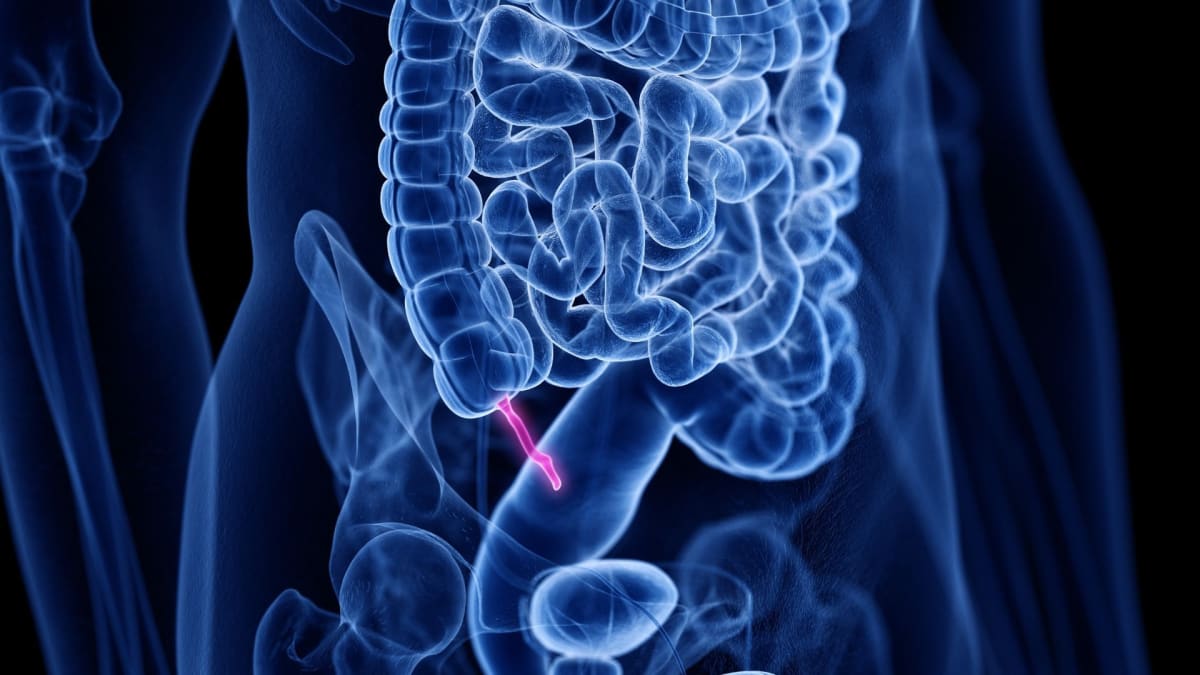
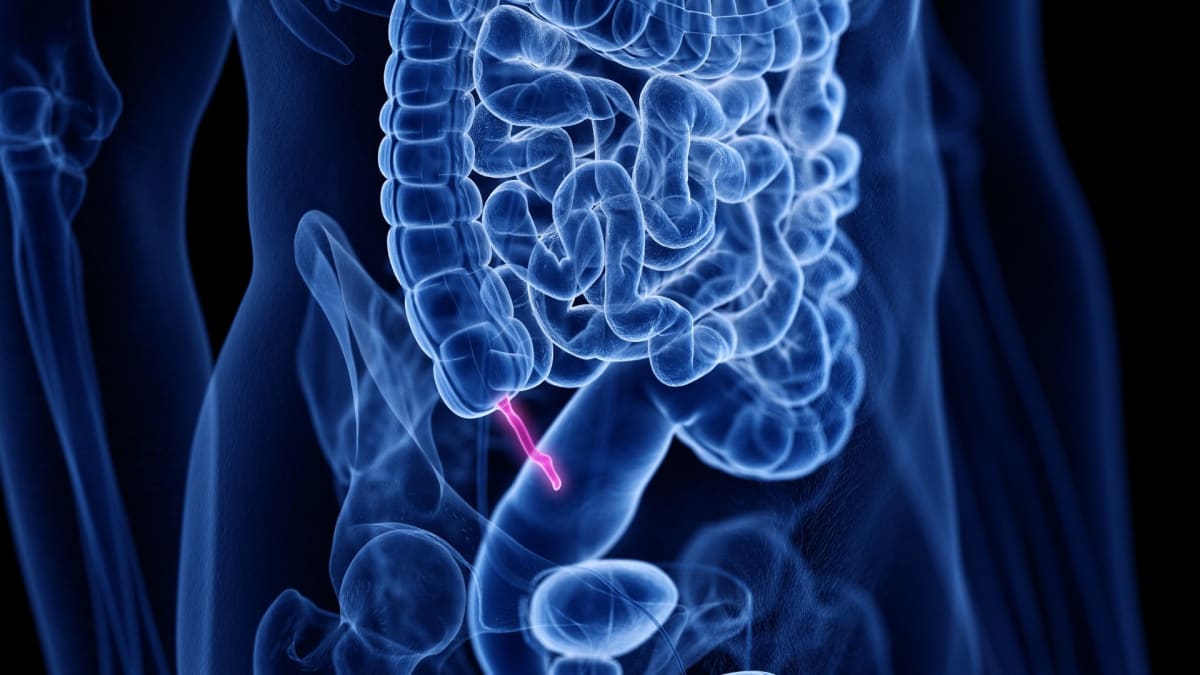
So what does your appendix really do? It turns out this small pouch branching off your large intestine serves as an immune training ground and a safe house for beneficial bacteria.
The appendix contains specialized immune tissue that helps your developing immune system learn which gut microbes are friends and which are foes. This tissue is especially active during childhood and adolescence, when your body is still figuring out how to protect itself.
Even more fascinating, the appendix may act as a microbial refuge. When severe infections flush helpful bacteria from your intestines, beneficial microbes hiding in the appendix's protective biofilms can survive and help repopulate your gut afterward. These good bacteria assist with digestion, fight off harmful pathogens, and reduce inflammation.
Why This Inspires
This discovery reminds us that our bodies are more ingenious than we often give them credit for. An organ dismissed as useless for generations turns out to be an elegant backup system protecting the microscopic allies living inside us.
The research also shows how science improves when we question old assumptions. What seemed like settled wisdom from Darwin's era has been completely rewritten by modern comparative biology. We're learning to appreciate the quiet brilliance of structures we once overlooked.
Even better, recent studies found that removing the appendix doesn't harm fertility as doctors once feared. In fact, some research shows slightly higher pregnancy rates after appendectomy, suggesting our bodies adapt remarkably well.
Your appendix represents millions of years of evolutionary problem-solving, refined across dozens of species facing similar challenges.
More Images

Based on reporting by Live Science
This story was written by BrightWire based on verified news reports.
Spread the positivity!
Share this good news with someone who needs it