Your Genes May Explain Why You Get More Cavities
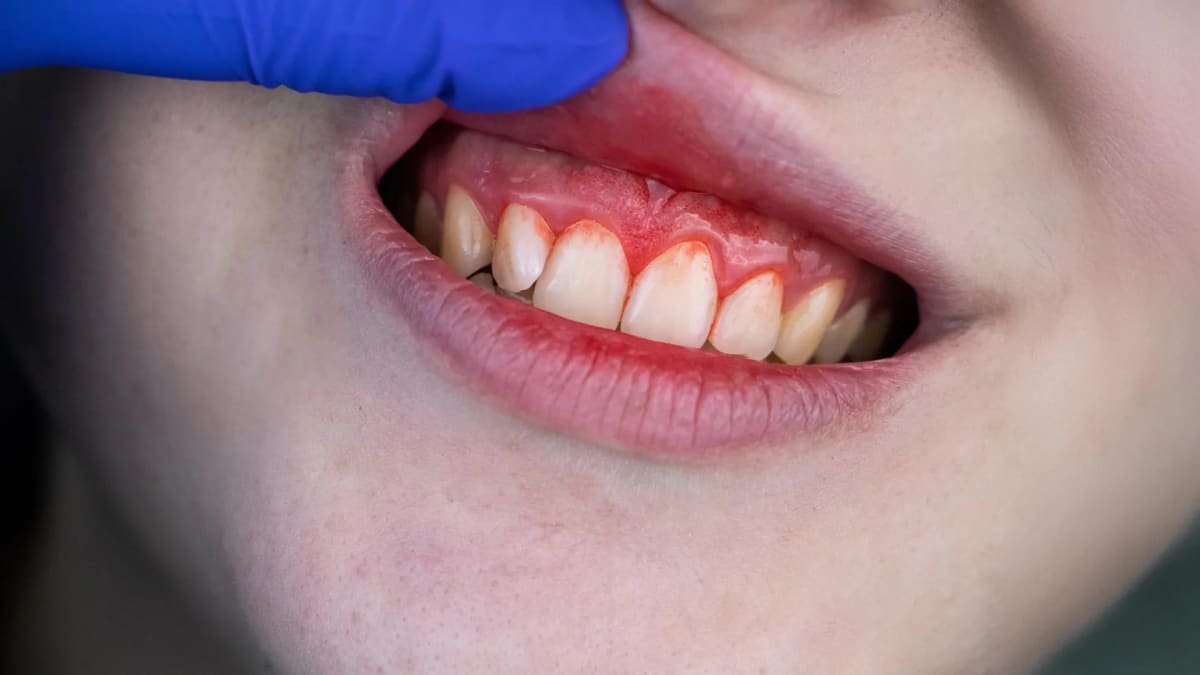
Scientists discovered that human genetics strongly influences mouth bacteria and cavity risk, revealing why some people struggle with tooth decay despite good brushing habits. The breakthrough could lead to personalized dental care based on your DNA.
Ever wonder why your friend never flosses but has perfect teeth while you brush religiously and still get cavities? Your genes might be the answer.
Scientists at the Broad Institute and Mass General Brigham just uncovered something remarkable: human genetics plays a surprisingly large role in determining which bacteria live in our mouths and how likely we are to develop cavities. The discovery came from analyzing saliva samples from more than 12,500 people in the largest oral microbiome study ever conducted.
The researchers found 11 regions of human DNA that influence the levels of dozens of bacterial species in our mouths. These aren't random connections. The genes actually interact with bacterial DNA to shape the entire microbial community living between our teeth.
One gene called AMY1 stood out. It creates an enzyme in saliva that breaks down starch into sugar, and people with more copies of this gene had higher levels of more than 40 bacterial species that feed on sugars and build plaque. The data showed that people with more AMY1 gene copies were more likely to need dentures later in life, suggesting the gene variant increases tooth decay by changing the mouth's bacterial ecosystem.
Another gene called FUT2 influenced the abundance of 58 different oral bacterial species. This same gene was already known to affect gut bacteria, but scientists didn't realize it shaped our mouth microbiomes too.
The Bright Side: This discovery opens the door to personalized dental care. Instead of one-size-fits-all advice about brushing and flossing, future dentists might analyze your genetic profile to predict your cavity risk and recommend customized prevention strategies. Someone with high-risk genes might need more frequent cleanings or specific probiotics to balance their oral bacteria.
The research team also developed new statistical methods that make analyzing huge genetic datasets faster and cheaper. They're sharing these tools with other scientists to accelerate future microbiome discoveries across the body.
Lead researcher Po-Ru Loh emphasized that while many factors affect oral health, genetics is surprisingly powerful. Understanding these genetic connections means we can finally stop blaming people for cavity-prone teeth when their DNA stacked the deck against them from birth.
The findings could transform how we think about dental health, shifting from shame about cavities to science-based solutions tailored to each person's unique genetic makeup.
More Images


Based on reporting by Medical Xpress
This story was written by BrightWire based on verified news reports.
Spread the positivity!
Share this good news with someone who needs it