Your Smartphone Can Help Save 18 Endangered Firefly Species
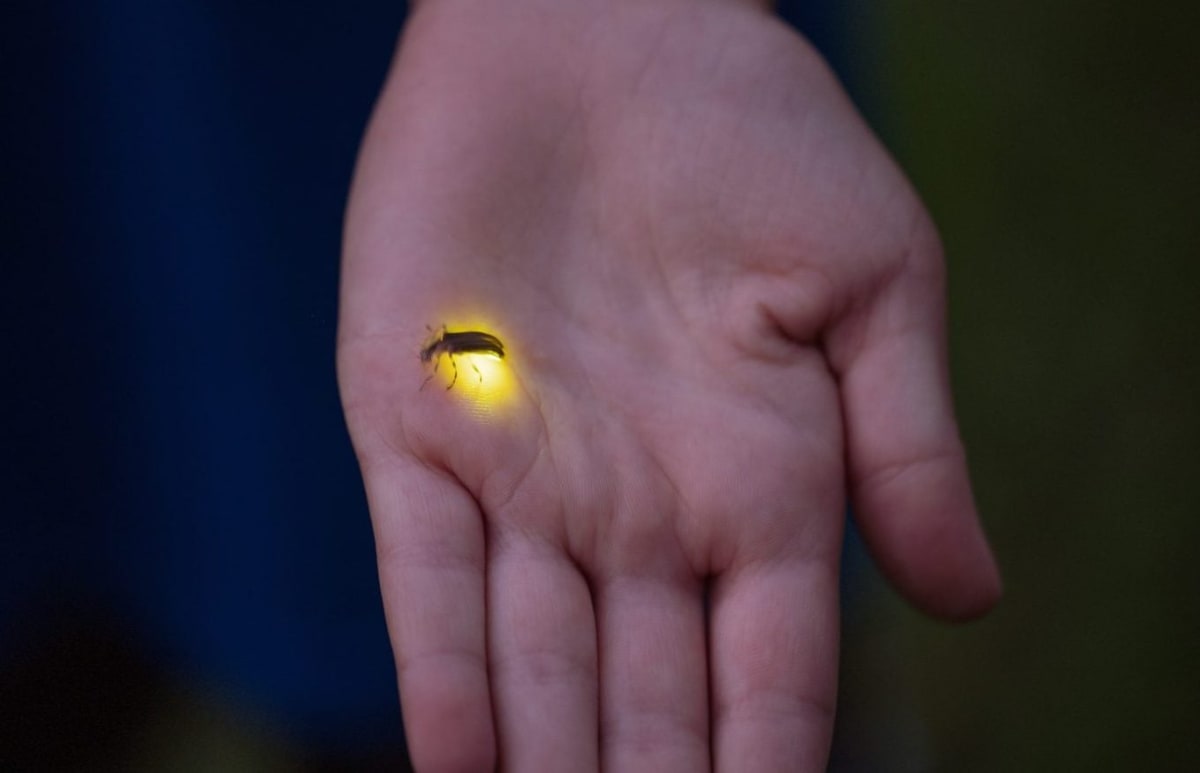
Scientists need your backyard firefly videos and photos to save 18 vulnerable species from extinction. Armed with just a smartphone, anyone can become a citizen scientist collecting critical data that researchers desperately need.
Scientists are turning to everyday people with smartphones to help save fireflies from disappearing forever.
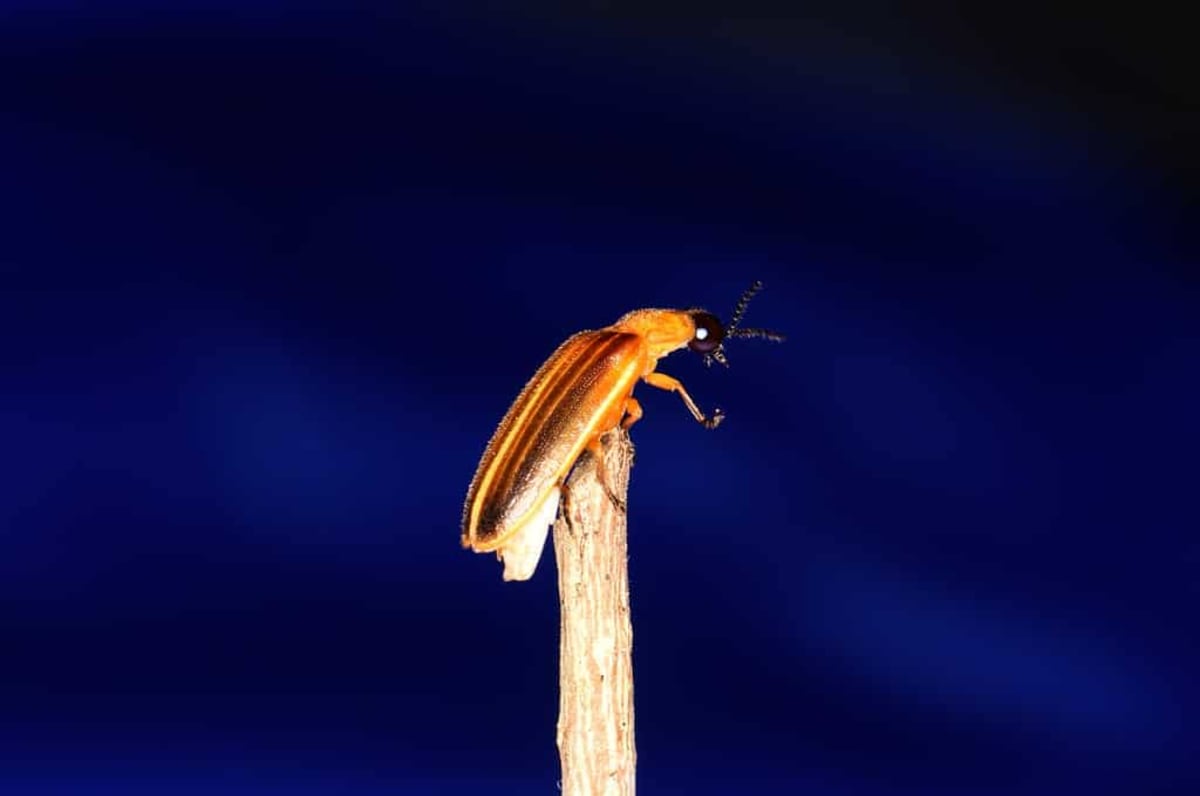
At least 18 firefly species now face threats from habitat loss, light pollution, and pesticide use. But the biggest problem isn't funding or legislation. It's something simpler: researchers don't have enough data about where fireflies live and how they behave.
That's where you come in. Conservation groups are asking the public to photograph fireflies and record their flash patterns using free apps like iNaturalist. Every photo you upload helps scientists track which species live in your area and how they're doing.
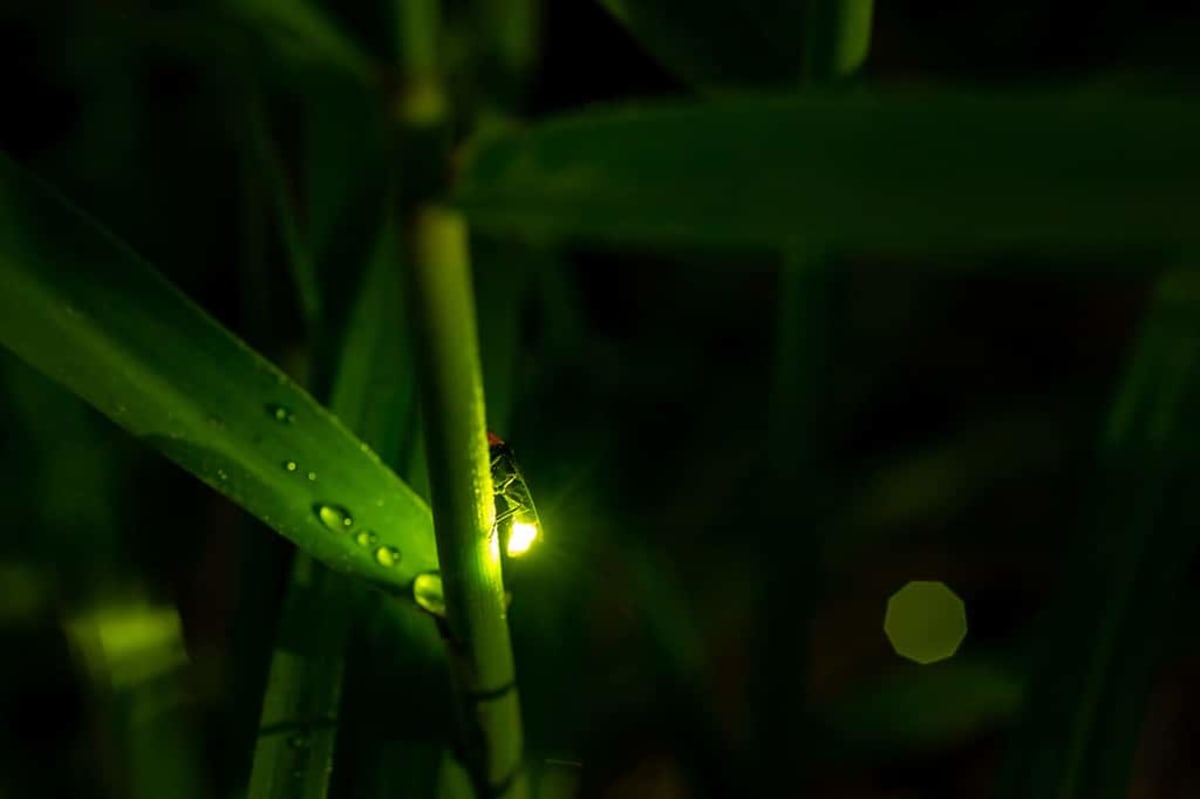
Recording flash patterns is especially valuable. Male fireflies flash specific patterns to attract mates, and females flash back if they're interested. By capturing these light shows on video, you're documenting a secret language scientists are still working to decode.
The process is straightforward. When you spot fireflies, note how many flashes you see, whether they're evenly spaced or grouped, what color they are, and if there's a trailing glow. Your smartphone's camera can record all of this, automatically logging the time and location if GPS is enabled.
Organizations like Firefly Atlas make submitting sightings easy through their website. The Xerces Society runs this project alongside the IUCN Firefly Specialist Group, so your data goes directly to conservation experts. You can even browse an interactive map showing firefly sightings from people across the country.
The Western Firefly Project focuses specifically on Utah populations, where locals report seeing fireflies from late May through early July. More sightings appear every week as more people join the effort.
The Ripple Effect
Every observation matters more than you might think. A single sighting could provide the data point that keeps an entire species off the endangered list. When thousands of people contribute photos and videos from their own backyards, scientists gain a comprehensive picture of firefly populations they could never achieve alone.
This crowdsourced approach is already changing how conservation works. Regular people are filling critical knowledge gaps that would take researchers decades to address on their own.
The glow of fireflies on summer nights doesn't have to become just a memory.
More Images


Based on reporting by Google: species saved endangered
This story was written by BrightWire based on verified news reports.
Spread the positivity!
Share this good news with someone who needs it