YouTube Settles Teen Mental Health Lawsuit
YouTube has settled a groundbreaking lawsuit brought by a Florida teen who said the platform's addictive design harmed his mental health. The case is part of a growing movement holding social media companies accountable for protecting young users.
A Florida teenager's stand against social media addiction just led to a major settlement with YouTube, marking another victory in the fight to protect kids online.
The 16-year-old, identified as R.K.C., alleged that YouTube's design features like infinite scroll and autoplay got him hooked when he was just eight years old. He said the addiction led to lost sleep, depression, and anxiety throughout his childhood.
YouTube chose to settle the case rather than face a jury trial. The company's spokesperson said they're focused on "building age-appropriate products and parental controls," though the settlement terms weren't made public.
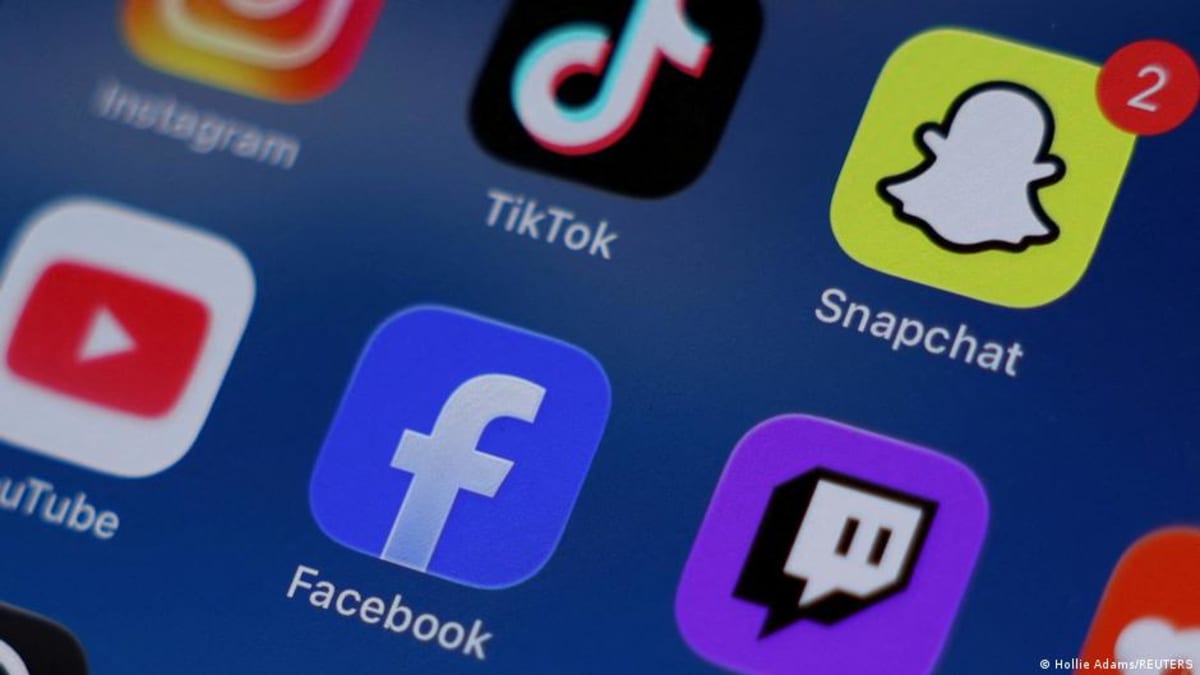
R.K.C.'s attorneys said YouTube's decision to resolve the case "speaks for itself." The teenager's lawsuit also named Instagram, Snapchat, and TikTok, which are scheduled to face trial in July.
This settlement comes on the heels of another landmark win in March. A California jury found Meta and YouTube liable for designing addictive platforms without safeguarding young users' wellbeing. That case resulted in $6 million in damages awarded to a 20-year-old plaintiff who experienced similar mental health struggles from childhood social media use.
The Ripple Effect
These legal victories are creating real change in how tech companies approach youth safety. Thousands of similar lawsuits are now pending across the United States, putting pressure on social media giants to redesign features that maximize engagement at kids' expense.
Countries worldwide are taking notice too. Several nations have already banned teenagers from social networks or are actively considering restrictions, recognizing the mounting evidence that addictive design patterns can harm developing minds.
While social media companies deny allegations of intentional harm and point to safety measures they've implemented, these settlements and jury verdicts suggest a turning point. Young people and their families are successfully holding billion-dollar corporations accountable in court.
The message is clear: designing platforms that hook children comes with consequences, and the tide is turning toward protecting the next generation's mental health.
Based on reporting by DW News
This story was written by BrightWire based on verified news reports.
Spread the positivity!
Share this good news with someone who needs it