Yugoslav Citizens Sheltered 55,000 Fleeing Nazi Germany
Between 1933 and 1941, ordinary people across Yugoslavia welcomed tens of thousands of refugees fleeing Nazi persecution, offering shelter, meals, and hope when most of Europe closed its borders. A new award-winning book finally tells their forgotten story of courage.
When most of Europe slammed its doors shut in 1933, one country quietly opened its arms to people fleeing Nazi Germany.
Between 1933 and 1941, at least 55,000 refugees found sanctuary in the Kingdom of Yugoslavia, today's Slovenia, Croatia, Bosnia, Serbia, and surrounding nations. While many European countries refused entry, Yugoslavia offered temporary visas that could be renewed, and even allowed refugees to work.
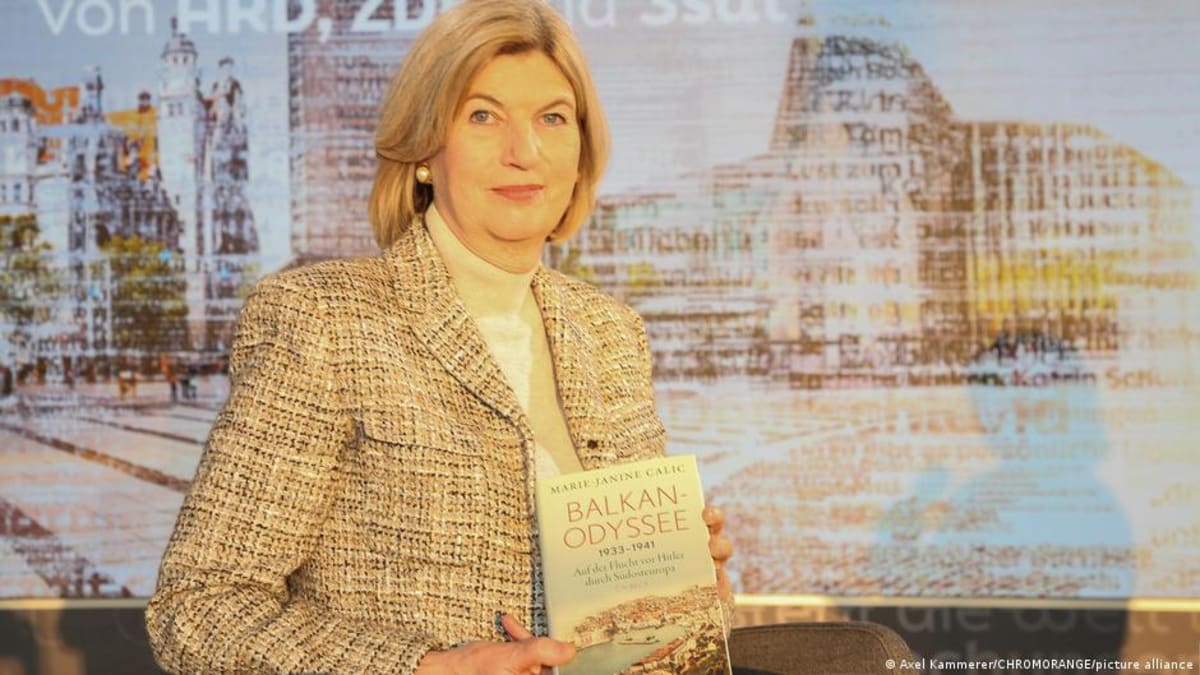
The story of these unlikely heroes appears in "Balkan Odyssey 1933-1941" by historian Marie-Janine Calic, which just won the 2026 Leipzig Book Fair Prize for Non-Fiction. Her research uncovers a chapter of history that's been overlooked for decades.
Many refugees arrived knowing almost nothing about Yugoslavia except outdated stereotypes. What they found surprised them: vibrant cities like Zagreb with modern architecture, thriving culture, and welcoming faces.
Jewish humanitarian organizations set up operations to register newcomers and help coordinate their journeys. But everyday citizens made the real difference, offering help to strangers they met by chance.
"All the documents and testimonies left behind by these new arrivals express deep gratitude for the support provided by everyday folks," Calic notes. Regular people took refugees into their homes, organized travel connections, and shared meals without hesitation.
German actress Tilla Durieux and her husband arrived in Zagreb expecting the unknown. Instead they found a cosmopolitan city where people enjoyed jazz concerts, modern fashion, and the same pleasures as Western Europe.
Progressive educator Annemarie Wolff-Richter brought her entire children's home to Mali Zaton near Dubrovnik after fleeing Germany. She continued her groundbreaking work caring for troubled children according to modern principles that celebrated rather than condemned them.
Why This Inspires
These Yugoslav citizens showed what's possible when ordinary people choose compassion over fear. They didn't wait for governments or organizations to act. They simply saw people in need and helped, one person at a time.
Their actions created a network of safety that saved thousands of lives. Families found new starts, children received care, and artists continued their work because strangers decided to be kind.
In a time when many nations chose exclusion, Yugoslavia's people chose welcome. Their legacy reminds us that individual acts of courage, multiplied across communities, can create refuge when the world feels dark.
Small acts of humanity, it turns out, can shelter thousands.
More Images

Based on reporting by DW News
This story was written by BrightWire based on verified news reports.
Spread the positivity!
Share this good news with someone who needs it