Zambia Opens Africa's First Soybean Speed Breeding Lab
A groundbreaking facility in Zambia is slashing the time needed to develop disease-resistant soybean seeds from eight years to just four, giving African farmers faster access to crops that can survive droughts and outbreaks. The first center of its kind in sub-Saharan Africa could help millions of smallholder farmers boost yields while feeding a growing continent.
Scientists in Zambia just turned on the lights at a facility that could transform how quickly African farmers get the seeds they desperately need.
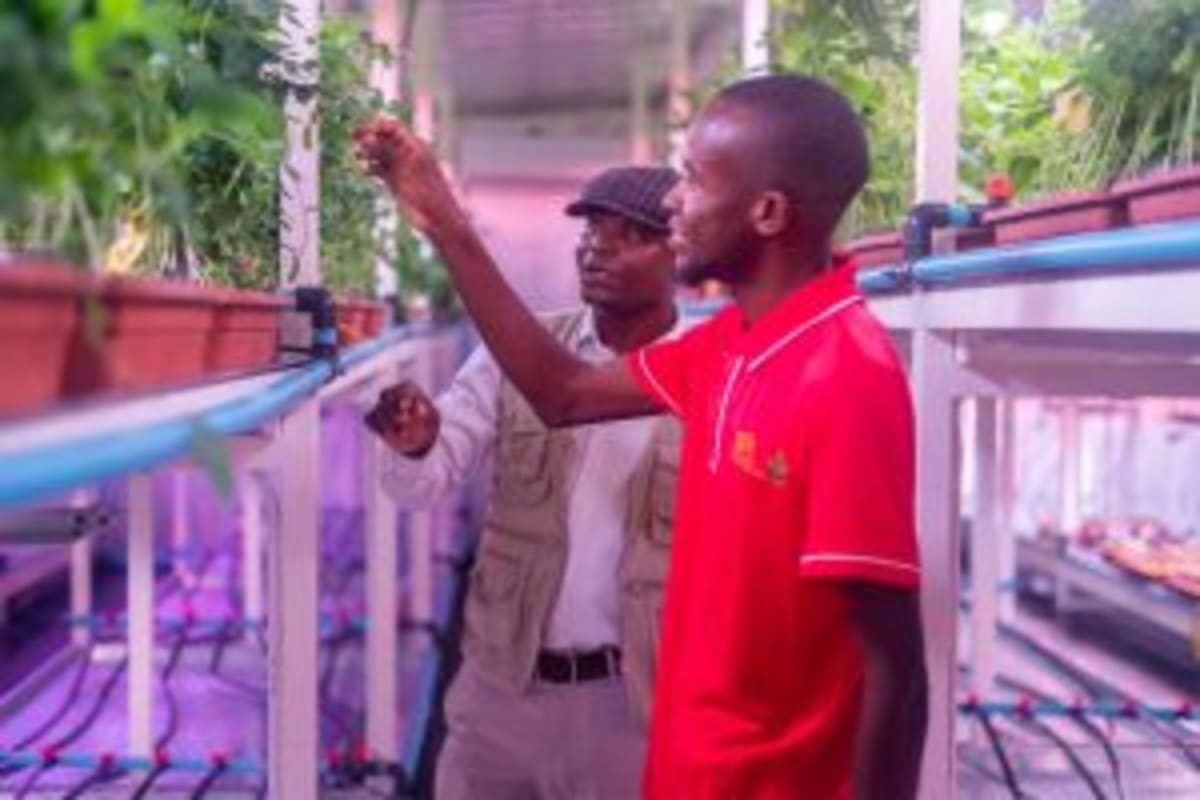
The International Institute of Tropical Agriculture opened sub-Saharan Africa's first soybean speed breeding center in late March, using controlled light, temperature, and humidity to grow multiple crop generations in a single year. What used to take eight years of traditional breeding now takes four or five, meaning drought-resistant and disease-fighting seeds can reach fields in half the time.
For farmers across Southern Africa, that speed matters more than ever. Soybean rust can wipe out entire harvests, and many smallholder producers can't afford the chemical treatments to stop it. Climate swings are making planting seasons unpredictable, and families need reliable crops that can handle whatever weather comes their way.
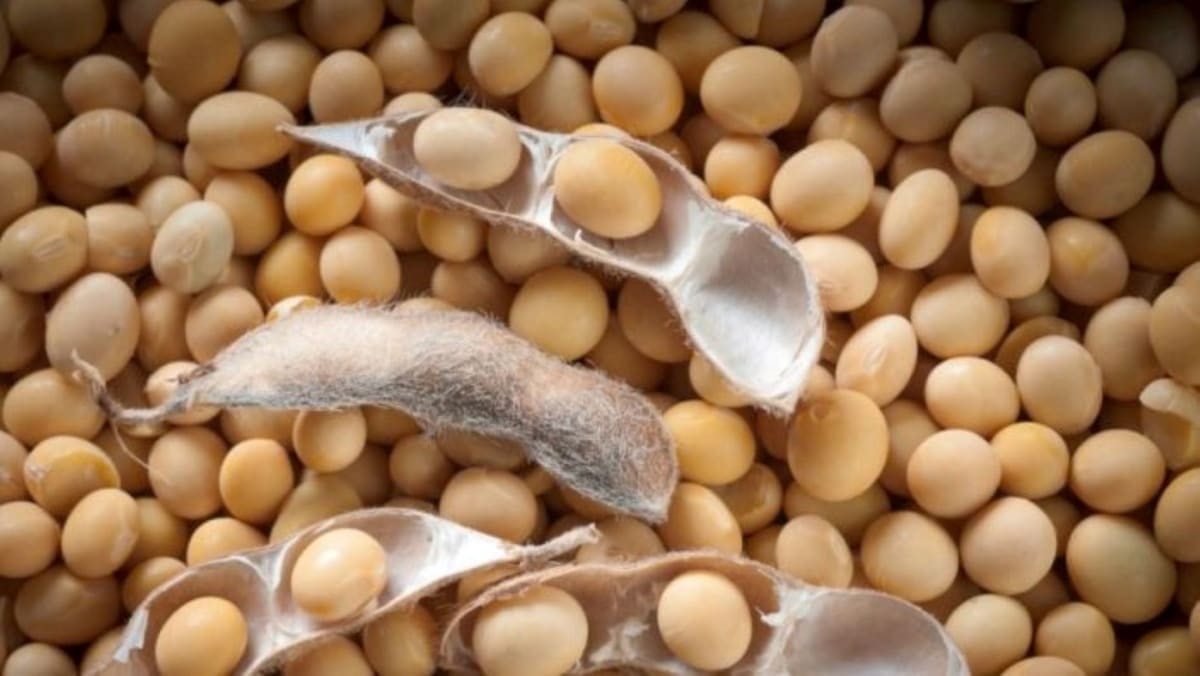
Zambia has big plans for soybean, setting a national goal of one million tonnes annually by 2030. The crop feeds the region's booming poultry industry, providing affordable protein to growing cities. It also fixes nitrogen in the soil, reducing the need for expensive fertilizers and keeping farmland healthy for future seasons.
The facility works by compressing breeding cycles so researchers can test generation after generation of plants rapidly. They're hunting for the best traits: crops that mature early, resist pests, tolerate drought, and pack more nutrition into every pod.
The Ripple Effect
This isn't just about Zambia. The center plans to share its research findings and breeding materials with neighboring countries, strengthening food security across an entire region where climate shocks can quickly disrupt supply chains.
Stronger seed systems mean farmers get certified, high-quality varieties instead of saving old seeds that underperform. Better seeds lead to bigger harvests, which stabilize food prices and reduce the need for emergency imports when rains fail.
The economic impact flows beyond the farm gate. Agriculture employs more people than any other sector across much of Africa, yet productivity lags far behind global averages. Cutting research timelines from lab to field means innovations reach the people who need them while the problems they solve are still urgent.
Universities, national research institutes, and private seed companies will partner with the facility to develop and distribute new varieties. That collaboration creates a pipeline from scientific breakthrough to farmer's hands, turning research into real-world results.
As climate pressures mount and demand for food and animal feed climbs, the ability to respond quickly with improved crops could be the difference between hunger and abundance. This center just shortened that response time by half, and thousands of farming families across Southern Africa will harvest the benefits.
More Images


Based on reporting by Google News - Africa Innovation
This story was written by BrightWire based on verified news reports.
Spread the positivity!
Share this good news with someone who needs it