Zambia's Solar Boom: Energy Crisis Sparks Green Revolution
After a devastating drought exposed its dangerous dependence on hydropower, Zambia is transforming into one of Africa's hottest solar energy markets with innovative financing and game-changing reforms. The landlocked nation is now attracting unprecedented investment by solving the exact problems that kept renewable projects from getting funded.
Zambia is proving that sometimes a crisis can light the path to a brighter future.
The African nation suffered through a brutal drought in 2023 and 2024 that brought its hydropower system to its knees. Businesses ran diesel generators for more than ten hours a day just to keep the lights on. But instead of accepting this as the new normal, Zambia decided to completely reimagine how it powers itself.
Today, the country is becoming one of the continent's most attractive renewable energy markets. Dominic Goncalves, an energy strategy expert at Cresco Project Finance, says there's "an unprecedented level" of solar project activity happening right now. What makes this even more remarkable is that Zambia defaulted on its debt just five years ago.
The turnaround started with smart economic reforms. Zambia completed its debt restructuring and earned upgraded credit ratings, restoring investor confidence. Then the government tackled the real barriers keeping solar projects from getting funded: sovereign risk, creditworthiness concerns, and the problem of having just one state buyer for all the power.
One breakthrough is the Carbon Finance Procurement Facility, backed by Norway. The program buys carbon credits from renewable projects, creating an extra revenue stream that makes solar investments safer and more attractive. It launched this year with a 300 megawatt solar tender requiring battery storage.
But Zambia didn't stop there. The country introduced a competitive procurement framework similar to South Africa's successful renewable energy program. It's also rolling out "open access" rules that let industrial customers buy power directly from independent producers, not just the state utility.
The most innovative solution might be ZAMWatt, a partnership between the state utility ZESCO, Stanbic Bank, and Africa GreenCo. The program pools multiple power generators and multiple buyers together. If one defaults on payment or can't deliver electricity, others in the pool step in. This clever design solves the single buyer problem that has blocked renewable investment across Africa for years.
The Ripple Effect
The timing couldn't be better for Zambia's booming copper industry. The country produced 890,000 tons of copper last year and expects to reach 3 million tons by 2031. Those mines need massive amounts of reliable electricity, and as a landlocked country with no gas, limited coal options, and no nuclear program, solar plus battery storage is the answer.
Neighboring countries are watching closely. Zimbabwe and the Democratic Republic of the Congo are already planning similar programs. Goncalves believes Zambia has become the regional pioneer, showing how African nations can leapfrog old energy systems and build cleaner, more resilient power grids.
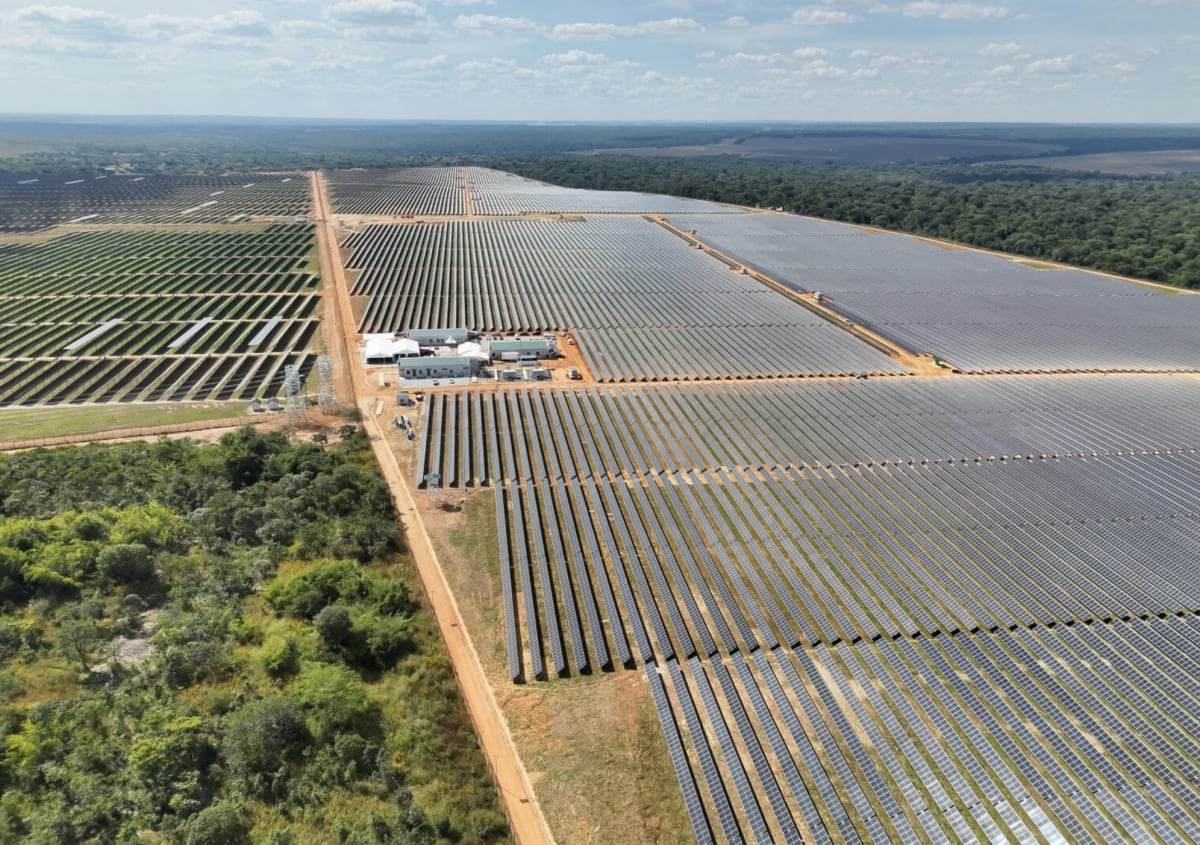
Challenges remain, including currency volatility and the need to expand transmission lines. But Zambia has already installed its first 100 megawatt solar project in May 2025, with another 100 megawatts under construction three months later.
From crisis to opportunity, Zambia is writing a playbook that could power progress across the entire continent.
More Images


Based on reporting by PV Magazine
This story was written by BrightWire based on verified news reports.
Spread the positivity!
Share this good news with someone who needs it