Zimbabwe Farm Lifts Locals Out of Poverty Since 1927
A family farm in rural Zimbabwe is proving that bottom-up solutions work. Through free childcare, domestic abuse forums, and carbon-friendly programs, Disi Farm is changing lives in one of Africa's poorest regions. #
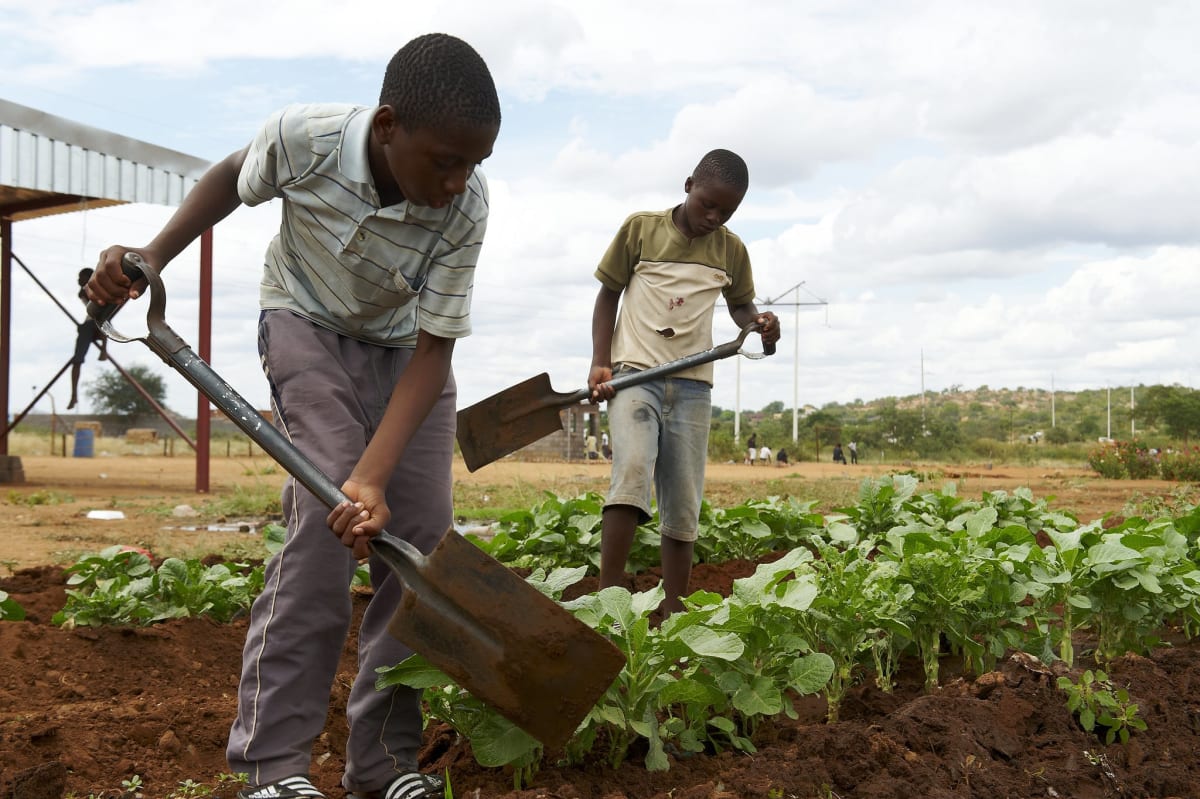
In Mvurwi, Zimbabwe, where 40% of people live on less than $2.15 a day, one farm has spent nearly a century quietly fighting poverty with practical solutions that actually work.
Disi Farm started in 1927, but its most powerful anti-poverty work began during Zimbabwe's 2008 financial crisis. When hyperinflation hit 79.6 billion percent monthly, the farm created a "food pack" system allowing workers to take half their salary as essential groceries like oil, salt, and ground maize. This protected families from devastating price swings and eliminated costly trips to distant markets.
The farm has run free daycare clinics since the 1950s, keeping children in school instead of working fields. Education gives the next generation a path forward that their parents never had.
Rural Zimbabwe struggles with limited police presence, leaving domestic abuse largely unreported. Disi tackled this by hosting bi-monthly community hall forums where victims can safely report abuse. While the farm can't arrest abusers, it uses employment as leverage, terminating workers who show repeated abusive behavior. It's not perfect justice, but it's protection where none existed before.
Zimbabwe has Africa's highest youth drinking rate, with over 70% of teenage boys engaging in heavy episodic drinking. High unemployment and poverty drive young people to alcohol, killing their chances of building workplace skills. Disi founded two football teams with donated kits and equipment, giving youth something positive to rally around instead of bottles.
The Ripple Effect
The farm's impact extends beyond its gates through partnerships with global organizations. Working with My Trees Trust, Disi opened a tree nursery producing 10,000 trees annually. Locals receive free fruit tree seedlings that become income sources and food security.
Since 2024, UN carbon credit programs rewarded Disi for distributing aluminum stoves throughout Mvurwi. These stoves use 70% less wood than open flames, fighting deforestation while making cooking safer and cheaper for families.
Zimbabwe ranks 159 out of 192 countries on the Human Development Index, with rural areas bearing the worst burdens. But Disi Farm proves that consistent, community-focused action creates real change even in the hardest places.
One farm can't solve national poverty, but it can transform the lives of hundreds of families who now have full bellies, safer homes, and trees growing toward a better future.
#
Based on reporting by Google News - Poverty Reduction
This story was written by BrightWire based on verified news reports.
Spread the positivity!
Share this good news with someone who needs it