Zimbabwe Ranger Escapes Violence, Now Leads Wildlife Team
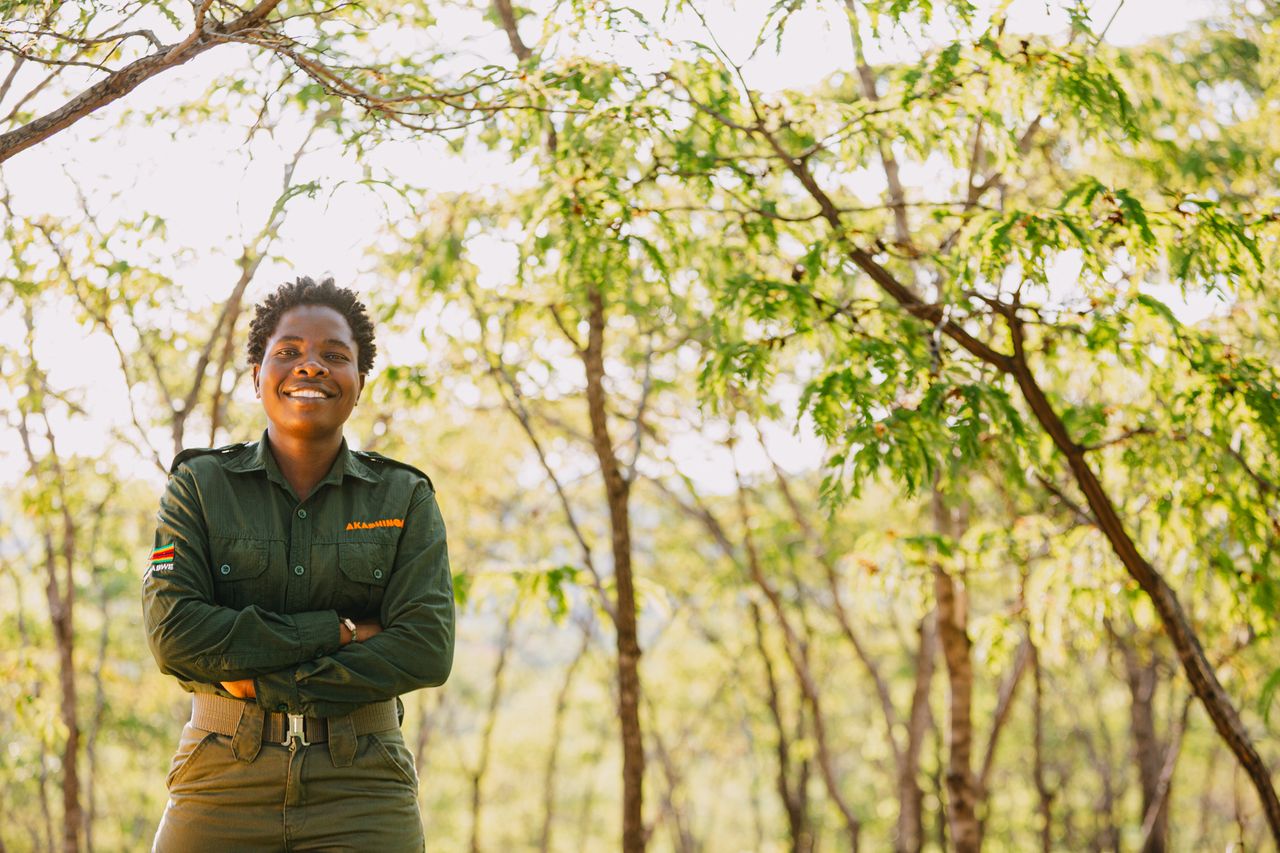
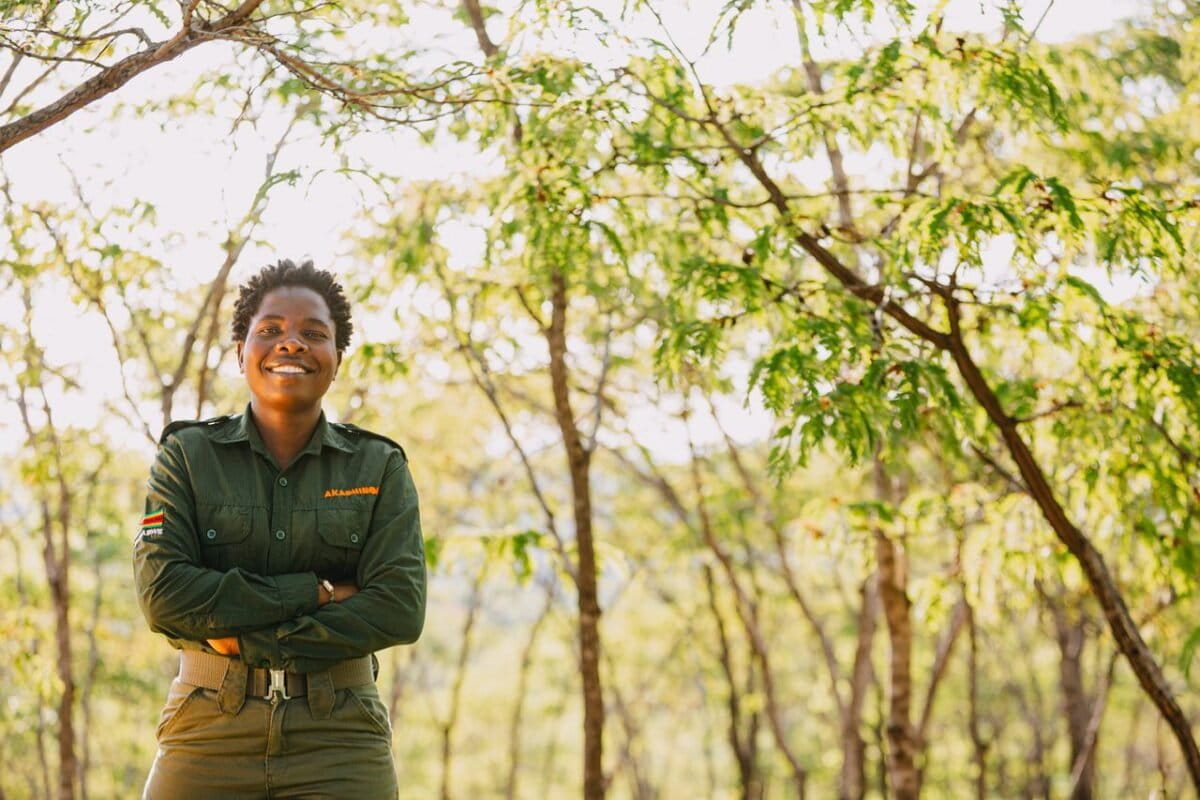
After fleeing an abusive marriage with her young daughter, Nyaradzo Hoto became one of Zimbabwe's first female anti-poaching rangers. Now she's a decorated biodiversity officer inspiring women across Africa.
When Nyaradzo Hoto walked through her local town in uniform for the first time, people stared. She and 15 other women were on their way to open bank accounts for their first ranger paychecks, and after years of struggling to survive, it felt like a miracle.
Hoto grew up poor in Zimbabwe's Zambezi Valley, where her family sold vegetables to scrape by. She was bright in school but couldn't afford to continue past secondary education. In rural Zimbabwe, girls rarely got that chance anyway.
She married hoping for a better life. Instead, she endured nearly four years with a violent husband before gathering the courage to leave with her young daughter. She moved back to her parents' home and returned to working in the family garden, uncertain what would come next.
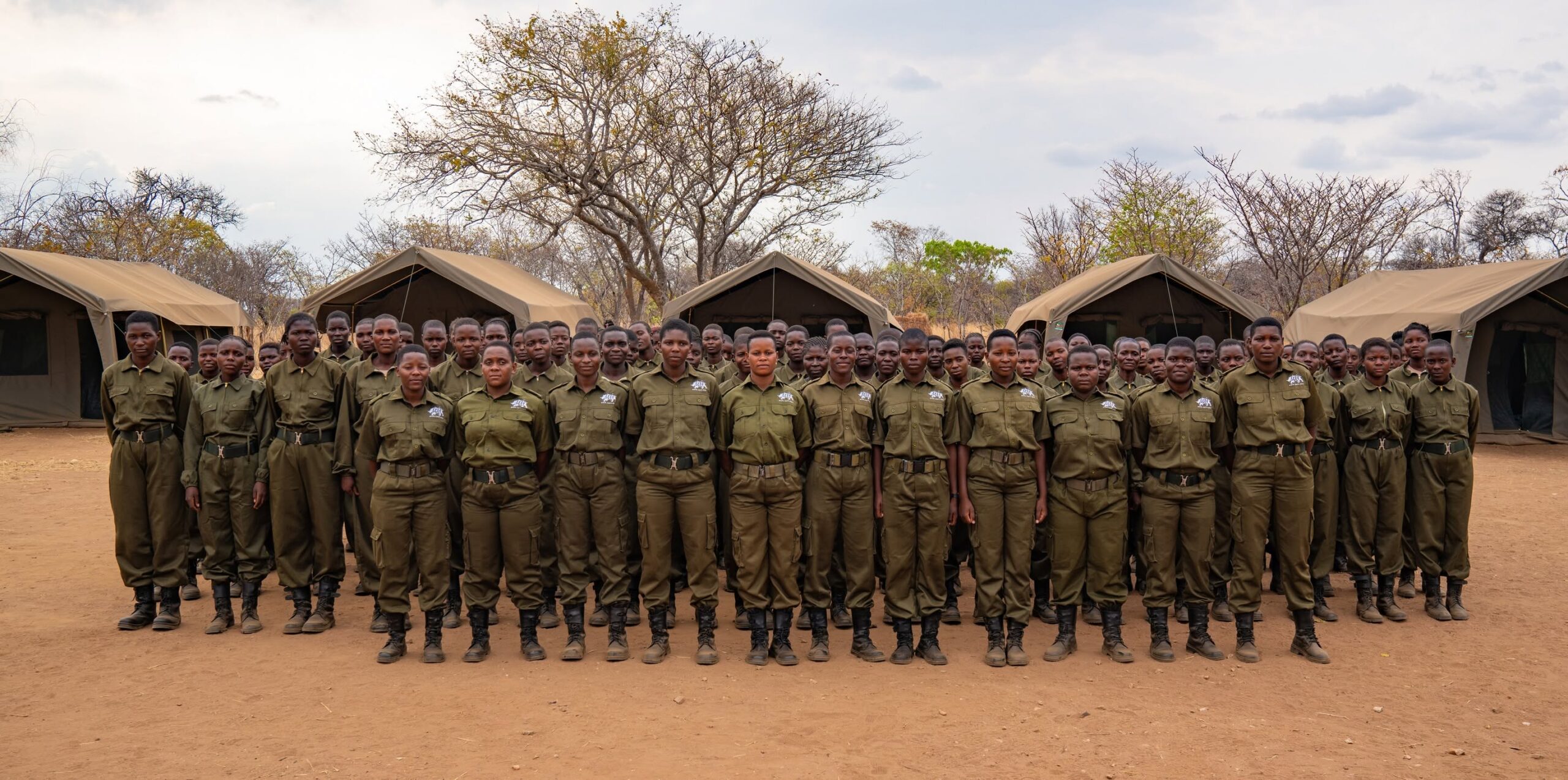
Then in 2017, the International Anti-Poaching Foundation started recruiting women for Akashinga, an all-female ranger team. Hoto applied along with roughly 100 other women. Only 16 were chosen.
Many men in her community laughed at the idea of women confronting poachers. They said women couldn't handle the physical demands of ranger work. Hoto went anyway.
She rose quickly through the ranks, becoming a ranger sergeant leading patrols through elephant and lion territory. She returned to university while working, graduating in 2023 with a degree in wildlife, ecology and conservation. Today she works as a biodiversity officer, analyzing data collected by rangers to guide conservation decisions.
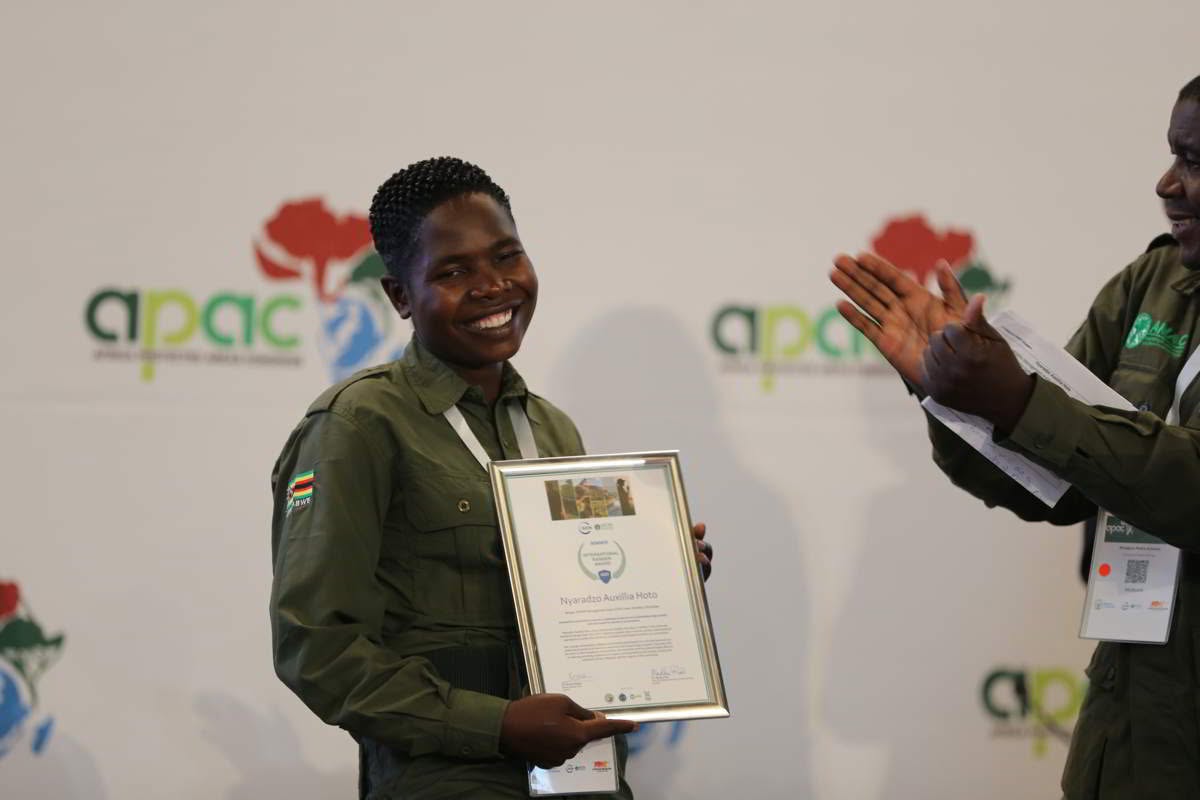
In 2022, she received an International Ranger Award from the International Union for Conservation of Nature. She was 32 years old.
Why This Inspires
Hoto's journey matters beyond her personal triumph. Women make up just three to 11 percent of rangers globally. Across Africa, women face skepticism, limited opportunities and cultural expectations that discourage them from conservation work.
But programs like Akashinga are changing that reality. The initiative specifically recruits rural women, offering them financial independence and leadership training alongside ranger skills. For communities living near protected wildlife, it creates a direct connection between conservation and better lives.
As world leaders gather in Armenia this month to assess progress on protecting 30 percent of Earth's land and waters by 2030, Hoto's story reminds us that conservation isn't just about animals and ecosystems. It's about the people who live alongside them.
Hoto says she believes conservation must benefit local communities, even as she acknowledges not everyone in her region supports the work. But for a woman who once saw no path forward, the transformation has been profound.
From a garden plot to commanding rangers, from an abusive marriage to international recognition, Hoto now represents possibility for rural African women in a field that rarely welcomed them.
More Images

Based on reporting by Mongabay
This story was written by BrightWire based on verified news reports.
Turn Today’s Good News Into Action
Generate a simple, meaningful 2-minute act of kindness you can do today and log your ripple effect.
Spread the positivity!
Share this good news with someone who needs it