Zimbabwe Students Win $1,000 for Grey Water Recycling System
Three young Zimbabweans who spend hours searching for water each month created a device that recycles household grey water in 30 minutes. Their innovation won $1,000 in seed funding and could help thousands of families facing severe water shortages.
When water only flows once a month in your city, every moment spent filling containers is time stolen from homework, friends, and dreams.
Wayne, 22, knows this reality intimately. In Chitungwiza, one of Zimbabwe's largest urban settlements, she and her neighbors can go an entire month without running water. When it finally arrives, families rush to fill every available container, a process that consumes hours.
The water crisis has intensified as climate change brings erratic rainfall and prolonged droughts to Zimbabwe. Children's education suffers most. "Sometimes you come home from school tired, but instead of resting or studying, you have to start looking for water," says Tavonga, Wayne's classmate.
Like many families, they reuse grey water from washing clothes to clean floors and water gardens. But this solution carries risks. Grey water contains soap, grease, food particles, and microorganisms that can damage soil and pose health hazards.
So Wayne, Tavonga, and their friend Barris decided to tackle the problem head-on. In November 2025, they joined a UNICEF Innovation Bootcamp funded by the Korea International Cooperation Agency, competing against 200 young innovators to develop climate solutions.
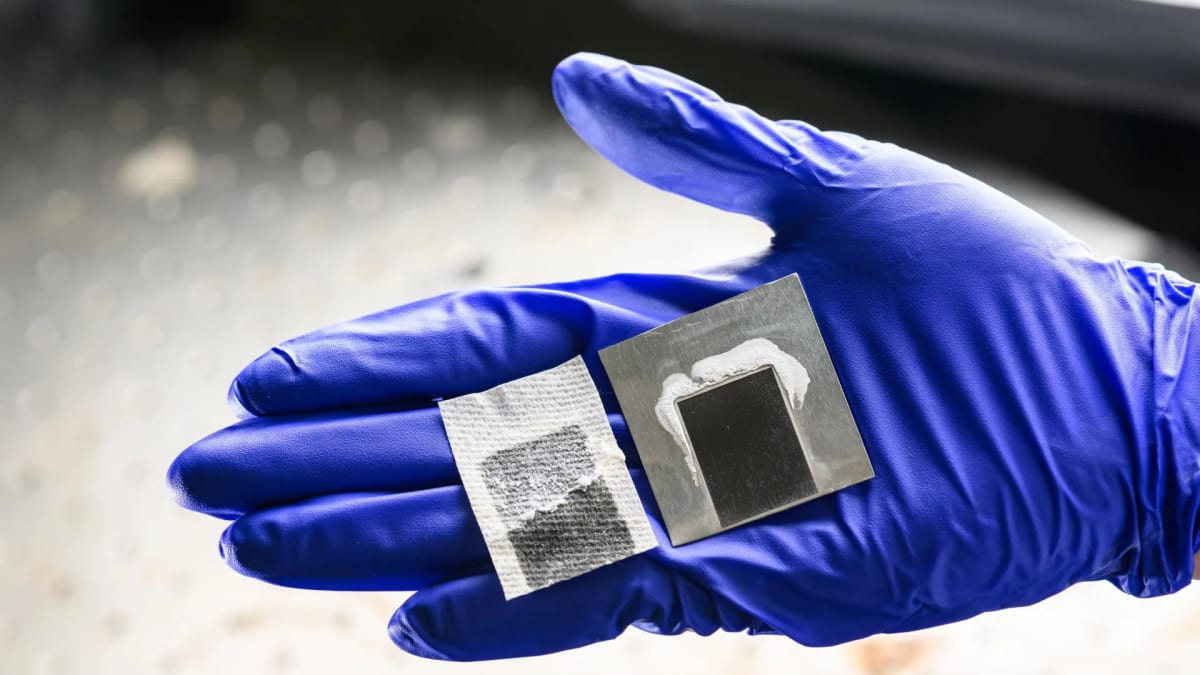
Their creation, Mvura-Smart, treats and recycles grey water to make it safer for household use. The prototype impressed judges so much that they placed in the top five out of 30 teams, winning $1,000 in seed funding.
With mentorship from Boost Fellowship, they refined their design into a system that can recycle 50 liters of grey water in just 30 minutes. Concepts from their textbooks suddenly became tools for solving real problems facing their families and neighbors.
The Ripple Effect
The innovation represents far more than a water filter. It demonstrates how young people experiencing climate impacts firsthand can become powerful solution creators when given support and resources.
"Young people often have the best understanding of the challenges affecting their communities because they live them every day," said Tinashe Mushonga, CEO of Boost Fellowship. The bootcamp connected students with mentors who provided hands-on technical support and business skills.
The experience transformed how the students view their education and themselves. They gained confidence in engineering, environmental sustainability, teamwork, and entrepreneurship while discovering their own potential as leaders.
Now they hope government and other stakeholders will help scale Mvura-Smart so more families across Zimbabwe can benefit. Their journey from water-stressed students to award-winning innovators proves that the climate crisis, while challenging, is also revealing a generation of creative problem-solvers ready to lead.
Based on reporting by Google News - Climate Solution
This story was written by BrightWire based on verified news reports.
Spread the positivity!
Share this good news with someone who needs it