Zimbabwe's Friendship Bench Reaches D.C., Transforming Care
A simple mental health solution born in Zimbabwe 18 years ago is now helping Washington, D.C. residents find free support from trained senior volunteers. The Friendship Bench program connects people struggling with mental health to caring "grandparents" who listen without judgment.
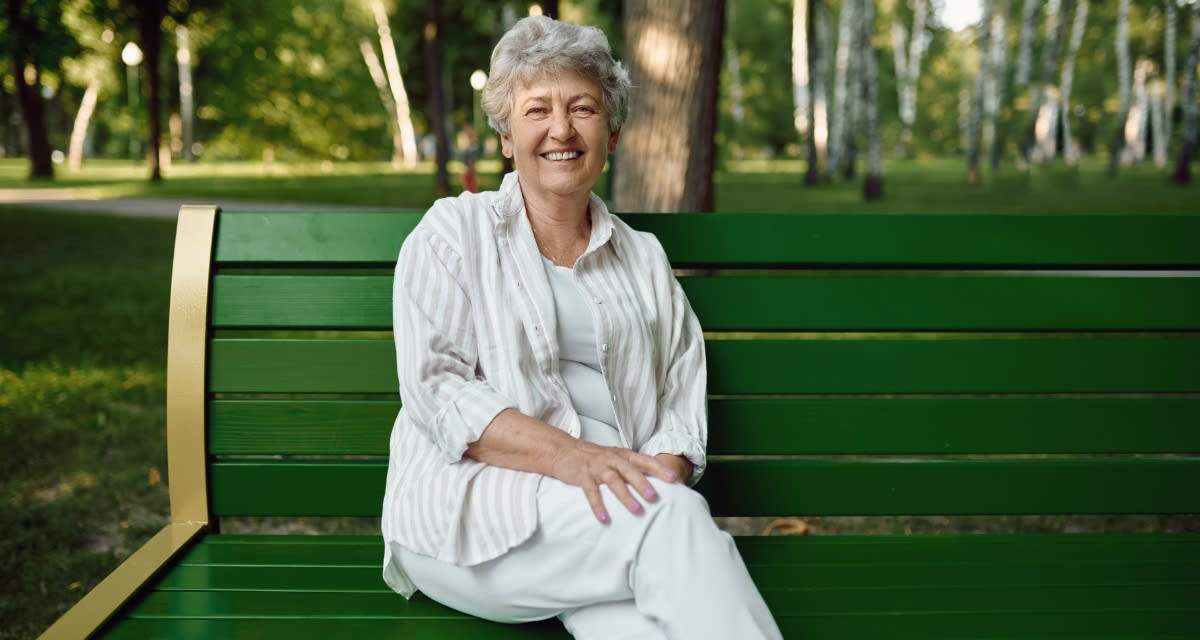
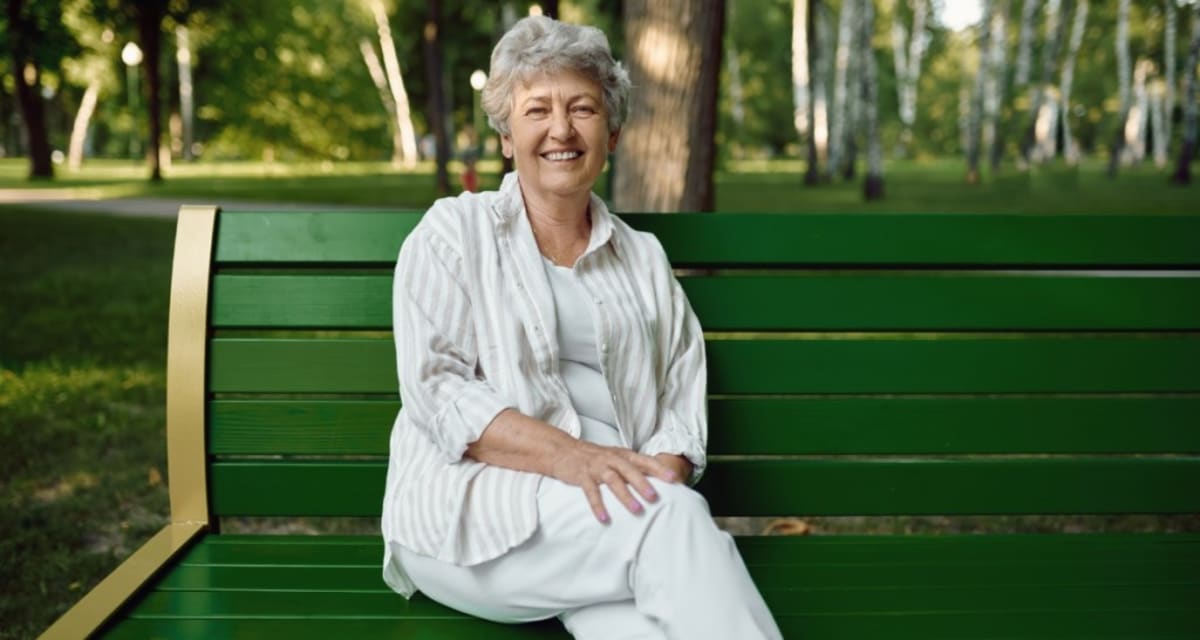
Getting mental health help shouldn't feel impossible, but for many people, cost, insurance issues, and stigma create walls that seem too high to climb. In 2006, Zimbabwean psychiatrist Dr. Dixon Chibanda had a brilliant idea: what if elderly volunteers could offer a listening ear from park benches, acting as makeshift grandparents for anyone who needed support?
Fast forward to 2024, and Washington, D.C. has embraced the same concept. Friendship Bench DC is now spreading across the city, placing trained senior volunteers near schools, churches, libraries, and community centers.
The program is completely free, requiring no payment or insurance. Anyone can schedule an appointment to sit with a "grandparent" and talk through whatever they're facing in a safe, confidential space.
HelpAge USA brought the model to America as part of a global network working in 99 countries to promote the wellbeing of older people. The beauty of the program is how it benefits everyone involved: seniors feel purposeful and needed, while people seeking support find someone who genuinely cares.
The volunteers aren't just kind faces. They receive training in empathetic listening, learning how to summarize what they hear and help visitors work through their own solutions. They know life can be tough because they've lived it.
Carlene Meheux discovered Friendship Bench DC on a flyer after losing her grandmother years earlier. "Friendship Bench is like a buoy that I can always see on the horizon," she told The Washington Post. "There's a date and a time where I know that I'm going to be heard."
The Ripple Effect
The program has struck a particular chord in Black communities, where mental health stigma and barriers to care run especially deep. Having trusted elders available to listen creates culturally relevant support that traditional therapy models often miss.
Social media responses to the program reveal just how hungry people are for this kind of connection. "The way I'd run to those grandmas right now," one person commented. "I'd give anything to have mine back."
Others recognized the wisdom we're losing by not engaging our elders more intentionally. "Elders are our most important source of life experience and knowledge," another commenter wrote. "Their ability to provide living history and insight for younger generations is a privilege that must be respected and honored."
The volunteer base is growing quickly as word spreads about how transformative these simple conversations can be. Sometimes the most powerful solutions don't require expensive technology or complicated systems—just human connection, lived experience, and someone who cares enough to listen.
From a bench in Zimbabwe to communities across America, one psychiatrist's simple idea is proving that healing doesn't have to be complicated or costly to change lives.
More Images


Based on reporting by Upworthy
This story was written by BrightWire based on verified news reports.
Spread the positivity!
Share this good news with someone who needs it