
Zimbabwe's Lobola Calculator App Goes Global
A self-taught coder turned a traditional marriage custom into an app that's teaching the world about African culture. What started as a lockdown joke now has users from Europe to Japan.
When Zimbabwe locked down in 2020, Courage Nyoni decided to learn how to code. The 26-year-old civil engineering graduate spent months watching online tutorials before building his first app, but it was his second project that would change everything.
Nyoni created the Lobola Calculator, an Android app that calculates the traditional bride price negotiated between families before marriage in many Southern African cultures. What began as a joke with his brother became an unexpected window into African traditions for people around the world.
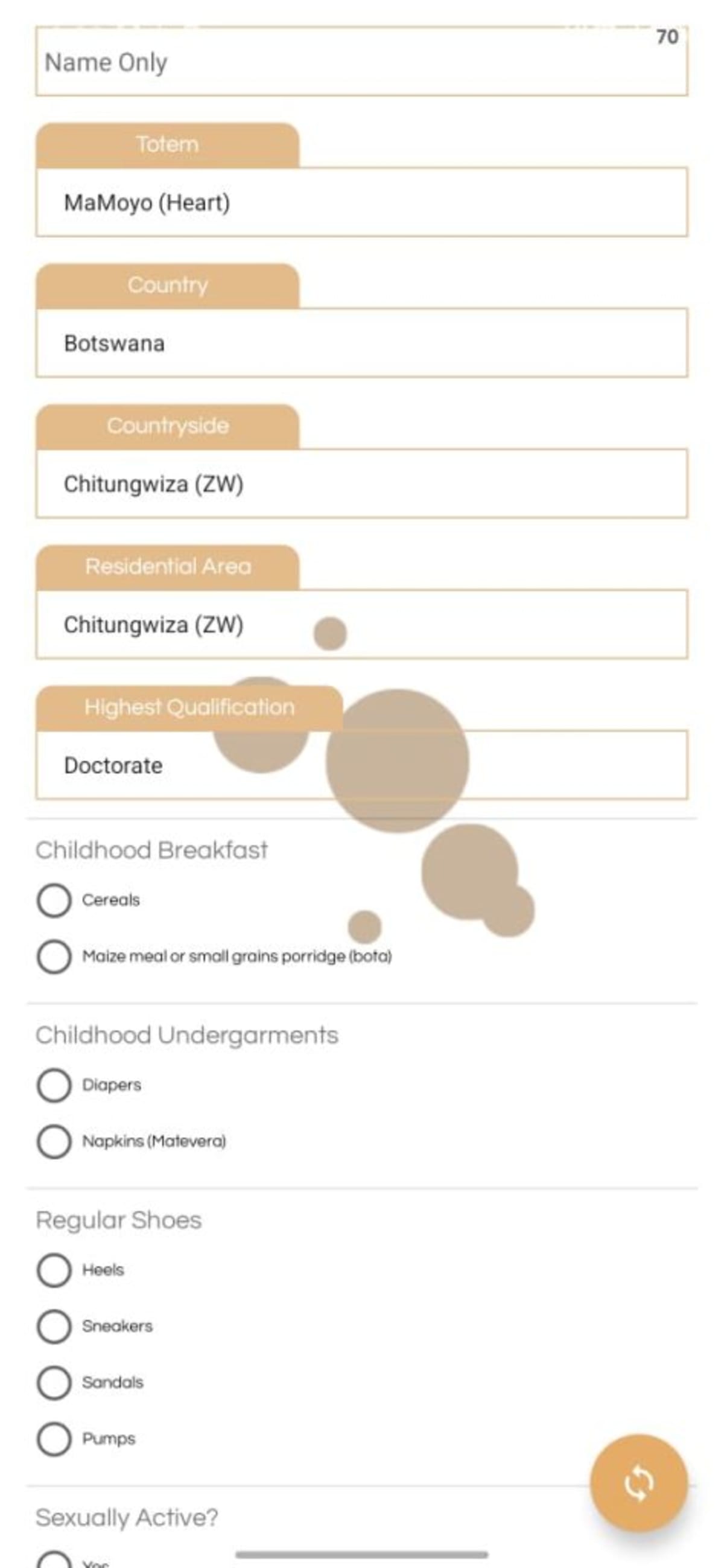
The app asks users playful questions about education, childhood breakfast habits, whether they prefer church or clubs on weekends, and even their footwear choices. Behind the scenes, an algorithm weighs these answers to generate a fictional lobola amount, mirroring the real conversations that happen in Southern African communities.
Nyoni researched cultural considerations and consulted elders before building the algorithm. He wanted it to reflect actual traditions, not just spit out random numbers.
Then something surprising happened. Users from Europe and Japan started downloading the app, not to calculate anything, but to ask a simple question: what is lobola? The app had been featured on Japanese national television, and emails poured in from curious people across continents.
Nyoni responded by adding educational content explaining the custom. Today, he says the main goal is preserving tradition and helping people worldwide learn about lobola while having fun with the calculations.
The Lobola Calculator represents something bigger than one app. Across Africa, developers are building software rooted in local traditions and languages, from digital ancestry platforms to indigenous language apps and traditional medicine tools. Culture itself is becoming a competitive advantage that only African founders can authentically code into software.
Nyoni deliberately avoided building another fintech or delivery app. Coming from a non-tech background, he needed a project that wouldn't require massive funding or infrastructure but would solve a real cultural need.
The Ripple Effect
The app's success hints at vast untapped opportunities. Nyoni believes African social systems are full of products waiting to be built, like digitizing South Africa's popular stokvel savings groups to make them more secure and scalable.
As the world spends more time on screens, there's massive opportunity to build software that reflects how African communities actually interact offline. The value comes from cultural knowledge rather than technological novelty alone.
What started as lockdown entertainment became a bridge between cultures, proving that sometimes the best way to share your heritage is to let people play with it first.
More Images

Based on reporting by TechCabal
This story was written by BrightWire based on verified news reports.
Spread the positivity!
Share this good news with someone who needs it
_(2)_20260728164937_theedgemalaysia_0.jpg)
%2Ffile%2Fattachments%2Forphans%2FGettyImages-2288690479_128119.jpg)